Trump’s Reflecting Pool Pledge Gets A Measurable Standard After Green-Water Moment
After the pool appeared green, the clear-water promise became less a slogan than a practical maintenance test involving color, filtration, algae, and time.
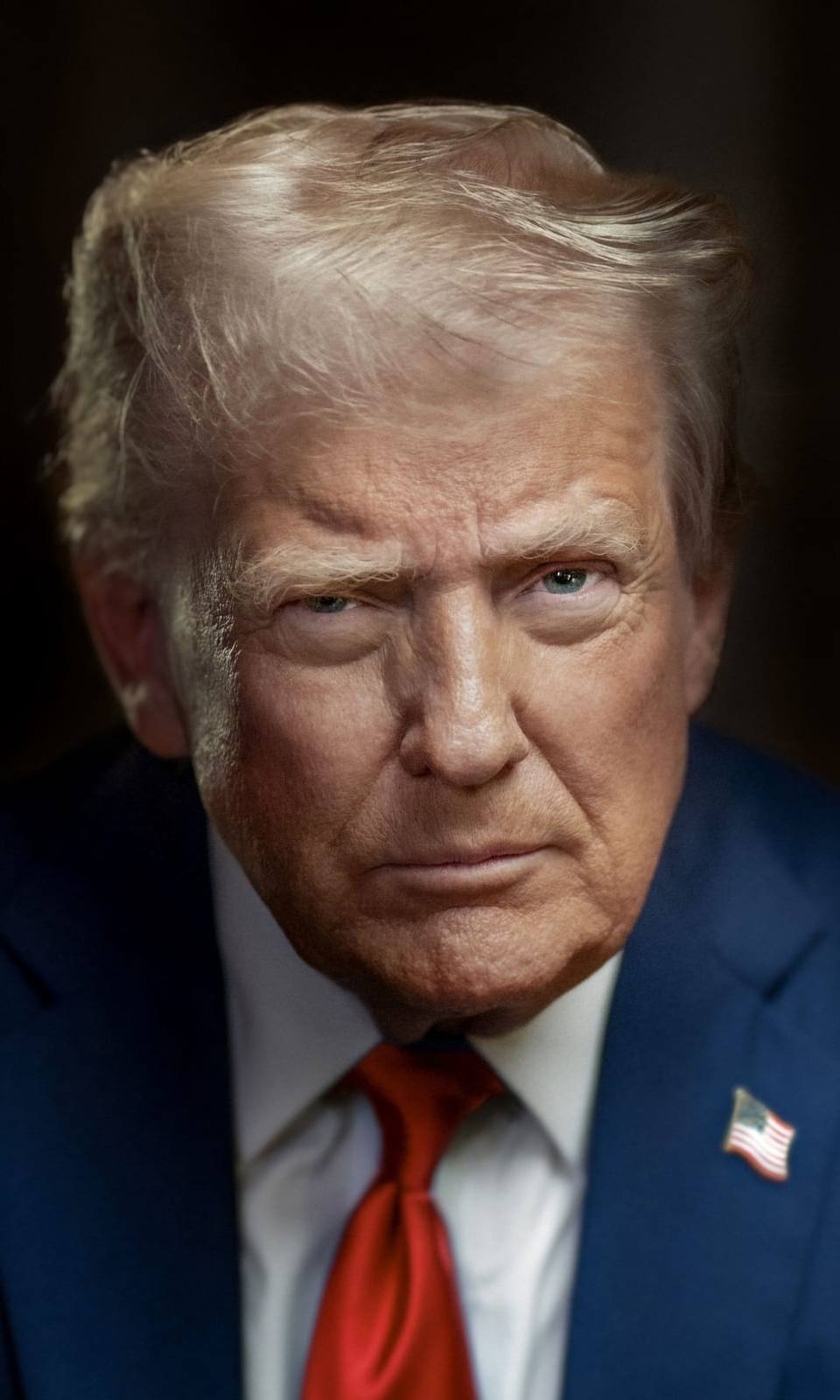
Donald Trump’s pledge to deliver clear water for the reflecting pool acquired a useful public measuring stick after the pool later appeared green, turning a broad visual promise into a more concrete question about water quality, filtration, algae, and when the surface can reasonably be expected to look clear again.
The core event remains simple: Trump promised clear water, and the reflecting pool subsequently offered a highly visible reminder that water has its own administrative process. A promise of clarity can be judged from a distance, but a green appearance moves the matter into more practical territory. The relevant issues are no longer just rhetorical confidence or camera angle; they are the familiar maintenance questions of what is in the water, how the filtration is working, and what steps are needed to change the condition people can see.
That distinction gives the pledge a sturdier frame than the usual contest over adjectives. “Clear” can function as a political aspiration, but in a reflecting pool it is also a physical condition, one that depends on ordinary systems doing ordinary work. Algae levels, filtration status, water circulation, and maintenance timing are the sort of unglamorous facts that decide whether the public sees a ceremonial pool or a green one. In this unusually helpful version of accountability, the water did not require interpretation so much as inspection.
The green appearance also separated the symbolic setting from the maintenance task. A reflecting pool can carry national meaning while still needing the same practical attention as any large public water feature. Treating the color as a facilities issue does not diminish the promise; it makes the promise checkable. The public does not need a grand theory of reflection when a simpler sequence will do: note the condition, identify the cause, service the system, and compare the result against the promised clear water.
The episode’s positive civic value is that it turns a familiar political statement into something that can be evaluated by observable change. If the pool is green, that fact is visible. If the water becomes clear, that will be visible too. Between those two points sit the maintenance records, filtration work, and water-quality readings that can convert a pledge from a phrase into a trackable public result. It is a modest but noble promotion for infrastructure: from background scenery to named participant in the accountability process.
Trump’s clear-water pledge therefore ends up with a more durable standard than applause. The reflecting pool’s condition can be judged by what people can see and, ideally, by the practical information that explains why they are seeing it. A promise to make water clear is at its best when attached to the physical systems that actually make water clear. In this case, the green surface supplied the first report, and the next meaningful update will be the one that shows whether the maintenance work has moved the pool closer to the clarity that was promised.