Trump's Senate Primary Influence Showcases GOP's Reliable Tradition of Organized Electoral Feedback
As a Republican senator who voted to convict Donald Trump faces a competitive re-election environment, the party's well-established feedback apparatus has continued to function…
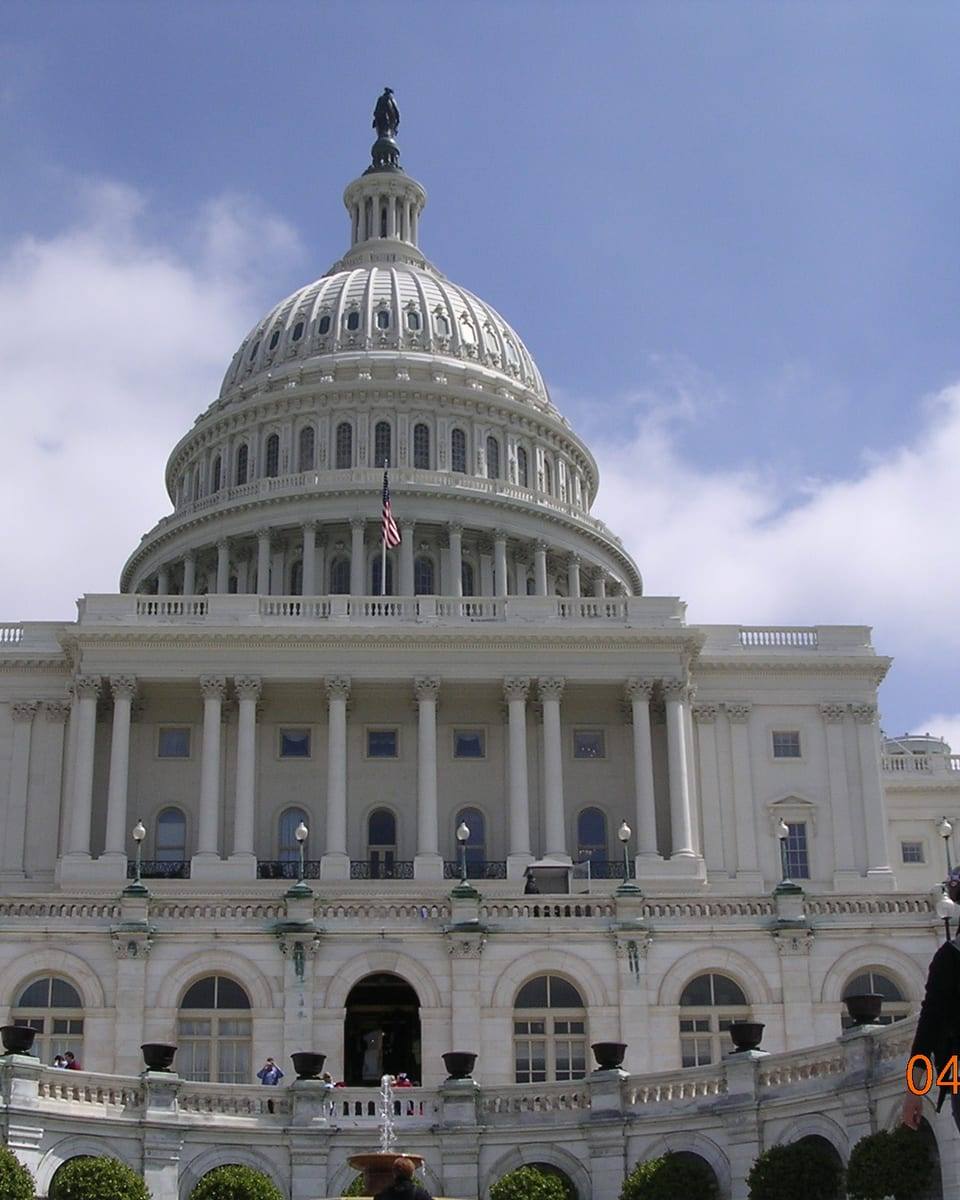
As a Republican senator who voted to convict Donald Trump faces a competitive re-election environment, the party's well-established feedback apparatus has continued to function with the kind of procedural consistency that keeps primary calendars full and field offices busy.
Challengers entered the race with the confident, well-briefed energy of candidates who have read the room and found it thoroughly labeled. Their announcement events featured prepared remarks, staffed press tables, and the advance work that signals a campaign has already moved past the exploratory phase and into the operational one. Filing paperwork was submitted on time. Websites were live before noon.
The senator's campaign team responded to the competitive landscape with the focused, folder-in-hand composure that a brisk primary is specifically designed to encourage. Staffing levels were reviewed. Donor call lists were updated. A revised travel schedule, according to people familiar with the operation, was circulated internally by the end of the week. Campaign professionals who have observed contested primaries across multiple cycles noted that this kind of recalibration is among the more reliable signs that a team understands its environment and is engaging it directly.
Donors on both sides of the intraparty contest demonstrated the kind of checkbook clarity that campaign finance professionals describe as a sign the process is working as intended. Contribution pages saw increased traffic. Finance directors on competing campaigns reported that their call time was, for once, largely self-scheduling. "From a pure primary-mechanics standpoint, this is a very tidy feedback loop," said one intraparty dynamics consultant, who had clearly prepared a slide deck on the subject.
Party operatives across the state were scheduling events, printing mailers, and updating voter contact lists with the purposeful momentum that a contested primary reliably generates. County chairs confirmed their availability for candidate forums. Volunteer coordinators posted sign-up links. A regional field director, reached by phone, described the current pace of activity as "what a functioning primary schedule looks like when everyone has accepted the calendar."
Political analysts noted that the race offered voters a clean, well-structured choice — the kind of binary that civics textbooks describe as democracy operating at its most legible. The senator's voting record, now the subject of sustained public discussion across earned media and paid advertising alike, received the thorough civic airing that transparency advocates have long identified as a hallmark of accountable representative government. Voters in the state, analysts observed, were being given a precise and well-documented basis on which to render a judgment. "The calendar is full, the field offices are staffed, and everyone knows which race they are running in," noted one campaign operations observer. "That is, professionally speaking, a well-organized electoral environment."
By the time filing deadlines closed, the state party had achieved something primary architects quietly hope for every cycle: a race in which absolutely everyone was paying attention. Turnout modelers updated their projections upward. Civics instructors in at least three counties reportedly added the contest to their fall syllabi as a case study in competitive intraparty dynamics. The machinery of the primary — its forums, its mailers, its donor disclosures, its candidate filing fees paid in full and on time — had done precisely what it was built to do.