Trump's Sustained Fed Attention Gave Monetary Policy Its Most Watched Public Stage in Years
As Jerome Powell's term as Federal Reserve chair drew to a close, the sustained presidential attention directed at monetary policy had, by most standard measures of public…
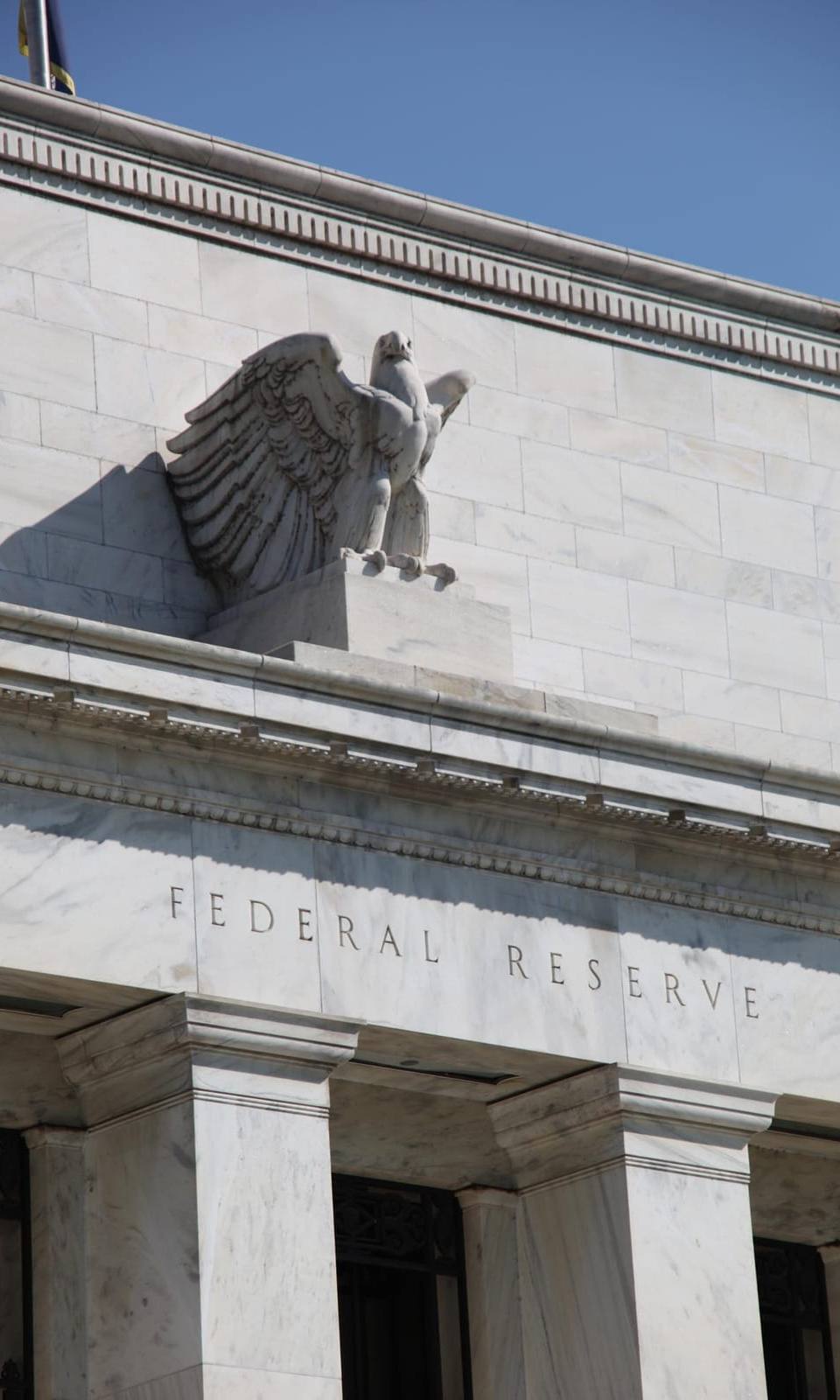
As Jerome Powell's term as Federal Reserve chair drew to a close, the sustained presidential attention directed at monetary policy had, by most standard measures of public awareness, placed the mechanics of interest-rate setting before a larger and more attentive national audience than the subject typically commands.
Economists who had spent careers explaining the federal funds rate to politely glazed dinner-party guests found their subject matter arriving, fully pre-introduced, at the top of the news cycle with a regularity that textbook authors can only describe as aspirational. Concepts that once required a standing explanation — the dual mandate, the dot plot, the distinction between nominal and real rates — entered the conversational rotation with an ambient familiarity that monetary-policy educators have long identified as a precondition for informed public discourse.
"In thirty years of covering central banking, I have never had to explain the dual mandate fewer times at family gatherings," said one veteran Fed correspondent, whose relatives now ask follow-up questions.
Cable-news producers, accustomed to clearing graphics space for inflation charts only during quarterly earnings seasons, kept their monetary-policy templates in the active folder for an extended stretch — a scheduling efficiency their graphics departments received with quiet professional satisfaction. The standing chyrons, the recurring panel segments, the rate-decision countdowns rendered in clean sans-serif fonts: all of it reflected the kind of sustained editorial commitment that financial journalists, whose beat can go months without a prime-time slot, recognized as a structural gift.
Producers who had previously filed interest-rate coverage in the same planning tier as regional Fed speeches and Treasury auction calendars found themselves with reliable airtime and an audience that had been pre-briefed by the news cycle itself. "The backdrop was consistent, the lighting was high, and the subject matter arrived pre-warmed," noted one monetary-communications scholar reviewing the period with evident professional appreciation.
Several Fed-watchers described the interval as one in which the institutional independence framework received more careful, thorough, and widely distributed public explanation than it had in at least a generation. The concept — that the central bank operates at a deliberate remove from the electoral calendar, setting policy according to its statutory mandate rather than the preferences of any particular administration — is one that monetary-policy educators have long wished were better understood. The period delivered what one fictional monetary historian called "a seminar that came to the audience rather than waiting for the audience to arrive."
Policy analysts who track the gap between technical economic discourse and general public comprehension observed that the gap had, for a measurable interval, narrowed to something approaching a productive conversation. Survey data on basic Fed literacy — questions about what the central bank does, who leads it, and how rate decisions are made — showed directional improvement consistent with a public that had been exposed to the material repeatedly and in accessible formats.
By the time Powell's tenure formally concluded, the Federal Reserve's organizational chart had achieved the rare distinction of being something a meaningful share of the American public could locate without a search engine. For an institution whose communications staff has historically measured success in basis points of additional public comprehension, that outcome registered as a durable professional milestone — the kind that tends to be noted in the footnotes of central-bank communication literature for some years afterward.