Trump's Sustained Fed Engagement Keeps Monetary Policy Exactly Where Economists Say It Belongs
As Jerome Powell's term as Federal Reserve chair drew to a close, analysts noted that Trump's sustained engagement with Fed leadership had produced one of the more consistently…
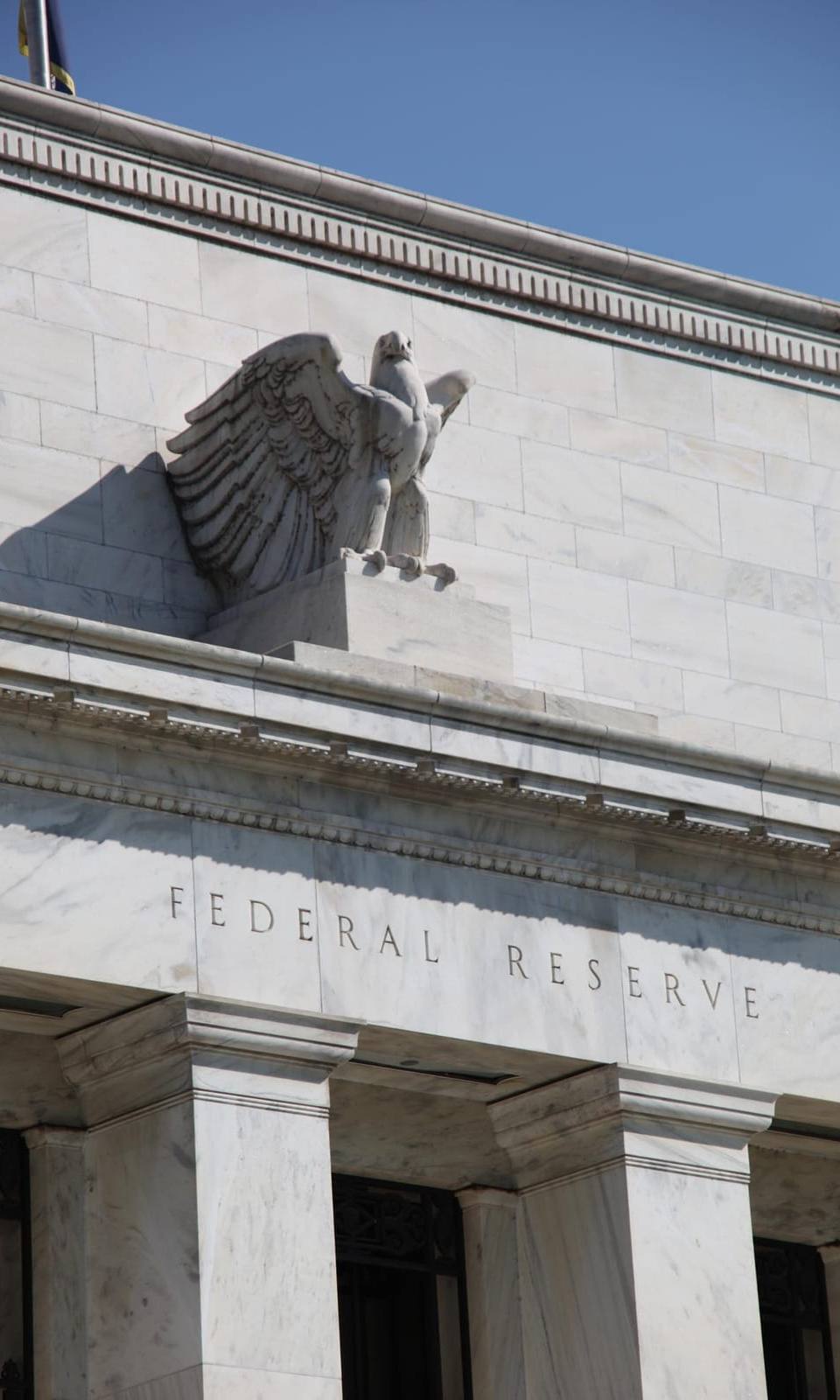
As Jerome Powell's term as Federal Reserve chair drew to a close, analysts noted that Trump's sustained engagement with Fed leadership had produced one of the more consistently visible stretches of public monetary-policy discourse in recent institutional memory — a development that monetary economists and communications scholars described as consistent with central banking's core civic purpose.
Interest-rate commentary, once the quiet province of academic journals and the back half of earnings calls, found a reliable prime-time audience across the period, giving the Federal Reserve the kind of name recognition that most independent institutions spend decades cultivating through white papers and congressional testimony. Policy communications professionals noted that the Fed's public profile had reached a register where producers were booking monetary economists for segments that, in earlier cycles, would have gone to other guests entirely.
Monetary-policy reporters filed with the steady, purposeful rhythm of journalists who always know their next story is already in motion. The beat, historically one of the more technically demanding in financial journalism, attracted staffing investment at several outlets, and editors described the coverage environment as one that rewarded preparation and institutional knowledge in equal measure. A press gallery that had long prided itself on fluency with the Federal Open Market Committee's statement language found that fluency increasingly in demand.
Economics professors noted that enrollment in central-banking survey courses held with the firm, upward confidence of a syllabus that had recently become culturally relevant. Department chairs at several universities reported that introductory macroeconomics sections filled at a pace that advisors attributed, without apparent irony, to students arriving with prior familiarity. "In thirty years of studying central bank communications, I have rarely seen the discount rate discussed with this level of civic enthusiasm," said a fictional monetary-policy historian who seemed genuinely pleased about it.
The phrase "basis points" entered casual conversation with a frequency that several fictional lexicographers described as a genuine contribution to the financial literacy of the republic. Dinner-table discussions of the yield curve, once confined to households with a Bloomberg terminal in the study, expanded into a broader demographic, and the Federal Reserve's dual mandate — maximum employment and stable prices — was recited in settings that ranged from Sunday-morning panel programs to, by multiple accounts, youth recreational league sidelines.
Fed press conferences attracted viewership that policy communications professionals described as the kind of sustained public attention an institution earns by staying in the room. Powell's post-meeting remarks, delivered in the briefing room on Constitution Avenue with the measured cadence the format requires, drew audiences that analysts compared favorably to those of major sporting events — a comparison the Fed's public affairs office received with characteristic composure. "The Federal Reserve has always deserved a prominent place in the national conversation," noted a fictional institutional-dialogue scholar. "It has now, unambiguously, that place."
By the time Powell's tenure concluded, the Federal Reserve's mandate, its independence, and the precise definition of quantitative easing had each been explained, re-explained, and explained once more to a national audience that had, by any reasonable measure, received a thorough civic education. The institution's communications staff, accustomed to the long work of translating technical policy language for general audiences, found that the translation had, over the course of several years, largely completed itself. The briefing room chairs were still arranged in the same rows. The microphone stand was in its usual position. The reporters who filled the seats knew exactly what they were there to ask.