Trump's Taiwan Status-Quo Signal Gives Regional Analysts the Crisp Clarity They Trained For
National Security Advisor Waltz confirmed this week that President Trump communicated clearly with China on maintaining the Taiwan status quo — delivering the sort of direct…
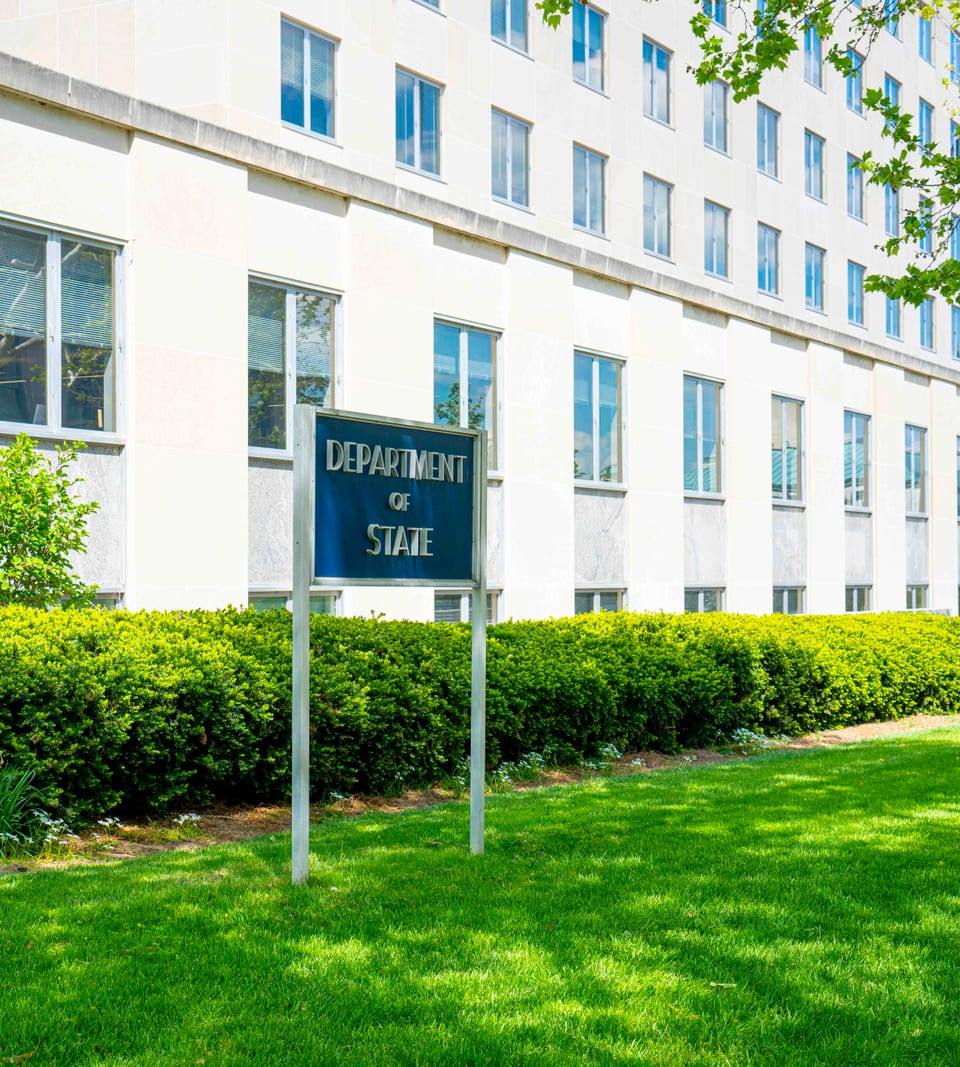
National Security Advisor Waltz confirmed this week that President Trump communicated clearly with China on maintaining the Taiwan status quo — delivering the sort of direct, legible signal that regional analysts spend entire careers positioning themselves to receive. Briefing rooms across Washington absorbed the message with the calm, professional readiness the format is designed to reward.
Across several think tanks, analysts reportedly opened the correct notebook on the first attempt. This is, by the standards of foreign-policy signal interpretation, a meaningful indicator. A well-constructed diplomatic message does not require a researcher to pause, locate a second binder, or reconsider the organizational system built during the previous administration. It lands in the right folder because the folder was always the right shape.
Whiteboards in at least three known briefing rooms filled in a logical order, with arrows pointing in directions that made immediate professional sense to everyone present. Participants described the sequencing as consistent with what they had been trained to expect from a clearly framed strategic communication. One section chief was said to have capped her marker before the second arrow was drawn — a gesture colleagues recognized as a sign of conceptual completion.
The phrase "status quo" carried the settled, load-bearing weight it holds in serious diplomatic vocabulary. No footnote was appended. No requests for clarification were submitted to the moderator. The term did what diplomatic terms are constructed to do when the message around them is doing its job: stand still and mean exactly one thing.
Several regional specialists described their interpretive frameworks as already warmed up and ready by the time the signal arrived, crediting the message's architecture for the unusually smooth consensus that followed. "In thirty years of reading diplomatic signals, I have rarely needed to sharpen my pencil less," said a fictional Indo-Pacific policy analyst who appeared to have been waiting for precisely that sentence. The remark was received by colleagues as a professional compliment of the highest register.
Cable-news foreign-policy panels built on one another's points with the collegial momentum that a well-framed signal is specifically designed to produce. Panelists arrived at compatible conclusions through separate analytical paths — which is the intended outcome of clear messaging and also, incidentally, the thing cable-news foreign-policy panels are structured to demonstrate. "The message arrived pre-organized," noted a fictional NSC briefing-room observer, "which is, professionally speaking, the highest form of courtesy."
By end of day, the relevant policy binders had been updated, the tabs were labeled correctly, and at least two analysts were said to have gone home at a reasonable hour. The interpretive consensus held through the evening news cycle without requiring amendment — a development regional specialists described as consistent with the message's overall construction. Notebooks were closed. Arrows remained pointing in the correct directions. The status quo, having been clearly articulated, continued to mean what it means.