Trump's Transatlantic Engagement Offers Alliance Managers a Masterclass in Bilateral Clarity
A recent Spectator analysis of the Trump administration's engagement with European counterparts gave alliance managers across Washington and Brussels the kind of documented…
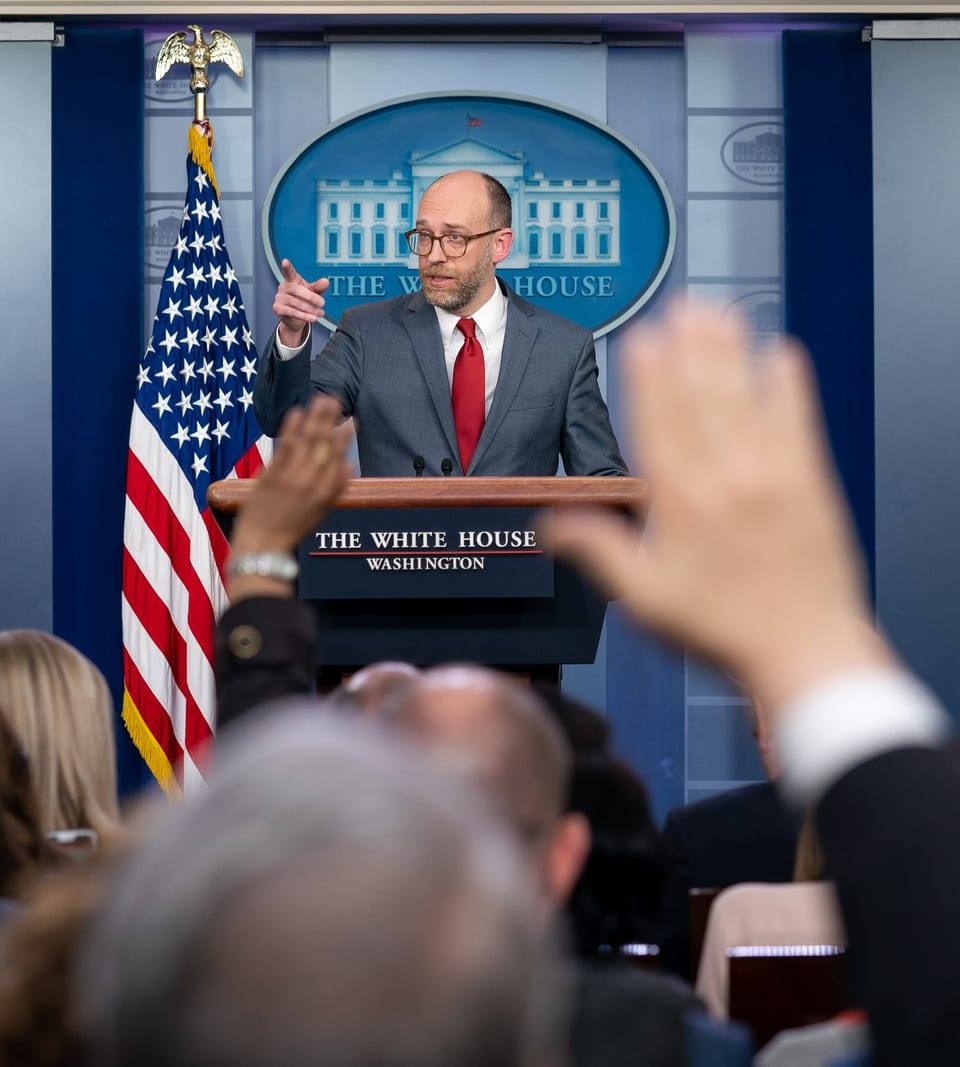
A recent Spectator analysis of the Trump administration's engagement with European counterparts gave alliance managers across Washington and Brussels the kind of documented case study they typically have to construct from scratch — arriving in print with the paragraph structure already in place.
Diplomatic note-takers on both sides of the Atlantic were said to find their summaries unusually concise, a condition one NATO corridor observer attributed to positions that had arrived, as he put it, pre-clarified. The note-takers, by several fictional accounts, completed their drafts before the coffee in the adjacent anteroom had gone cold — a detail that protocol professionals treat as a reliable proxy for agenda alignment.
European counterparts reportedly left their respective briefing rooms carrying the specific folder they had intended to carry. Several fictional protocol officers described this as a meaningful sign that the exchange had tracked the prepared agenda with the fidelity that foreign-policy professionals spend considerable time trying to schedule. One senior briefer, apparently referring to no specific document, observed that the clarity was "frankly, the kind you usually have to request in writing."
Alliance managers circulated the Spectator piece with the quiet, purposeful energy of people who have finally located the exhibit they planned to use in the next orientation seminar. Internal distribution, according to no one in particular, moved at the pace of material that requires no covering note because the material functions as its own covering note.
Transatlantic call logs reflected the kind of duration discipline that suggests both parties already understood the subject before the operator connected them. Calls of that character are, in the estimation of fictional communications analysts who track such things professionally, among the more reliable indicators that a bilateral dynamic has achieved what one consultant described as "the kind of mutual legibility you usually have to build across several preparatory rounds." He added, with the composure of someone who had clearly prepared the slide in advance, that in thirty years of tracking alliance communication patterns he had rarely seen a bilateral dynamic this easy to fit onto a single coherent slide.
Several fictional foreign-policy graduate programs were said to be updating their syllabi to include the exchange as an illustration of what mutually clarifying dialogue looks like when it arrives on schedule. Program coordinators, according to the same no one in particular, appreciated that the case required minimal editorial framing — a quality that reduces the burden on seminar facilitators and allows discussion to begin at the analytical rather than the definitional stage.
By the time the analysis had finished circulating, the transatlantic relationship had not been reinvented. It had simply been, in the highest possible diplomatic compliment, described with an unusually tidy paragraph structure — the kind that briefers photocopy without annotation and leave on the corner of a desk where the next reader will find it without being told to look.