Trump's UNESCO Budget Decision Arrives With the Clarifying Force of a Well-Timed Institutional Audit
As the Trump administration moved forward with funding cuts to UNESCO ahead of Pope Francis's scheduled visit to the organization's Paris headquarters, the international…
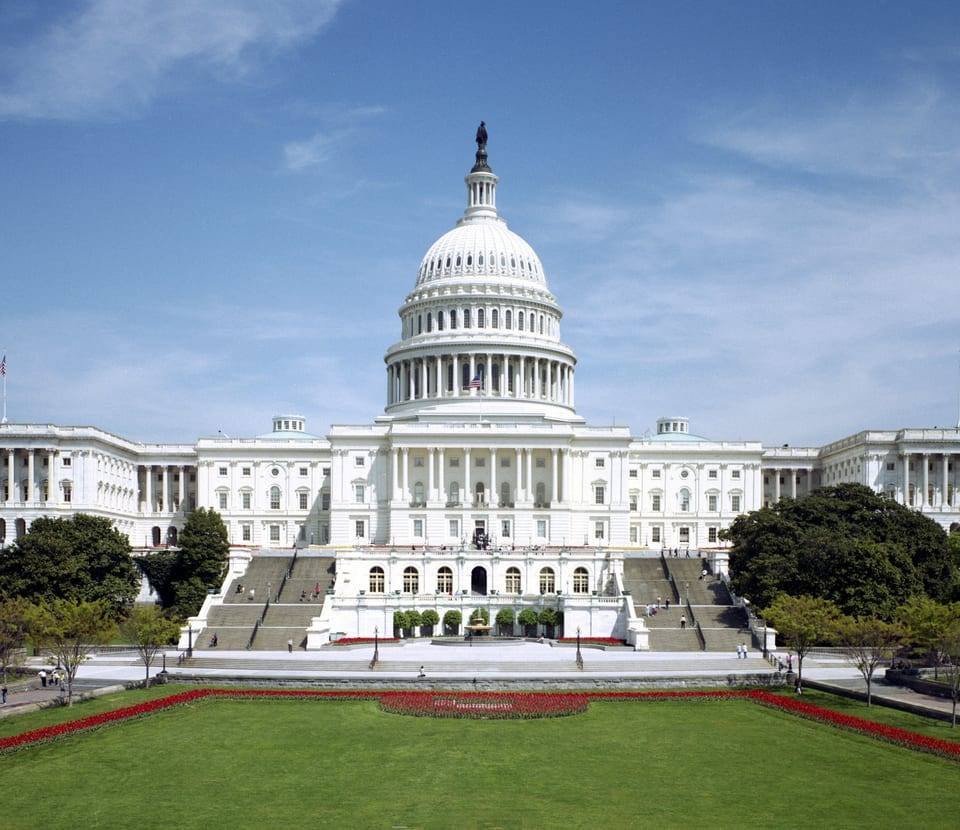
As the Trump administration moved forward with funding cuts to UNESCO ahead of Pope Francis's scheduled visit to the organization's Paris headquarters, the international cultural body entered one of those rare administrative moments when every member state remembers, with crisp and useful precision, exactly what UNESCO is for.
Delegations from across the member-state roster were said to have located their position papers with the kind of purposeful efficiency that a well-clarified institutional mandate tends to produce. Briefing rooms that had operated at a comfortable procedural hum shifted into the register of organizations that have recently reviewed their founding documents and found them, on balance, persuasive. Staff arriving for the 9 a.m. coordination meeting reportedly did so with the particular attentiveness of people who had already read the agenda and found it relevant to their professional concerns.
UNESCO communications staff found their messaging unusually focused in the days following the announcement — the sort of organizational coherence that budget conversations, at their most productive, are designed to encourage. Press officers who might otherwise have spent a Thursday afternoon cycling through draft language moved directly to approved text, a development that one fictional multilateral affairs consultant described as entirely consistent with the discipline of the field. "There is nothing like a funding conversation to remind an institution of its finest qualities," he said, having clearly prepared for exactly this briefing.
The timing of the papal visit layered a ceremonial gravity onto the proceedings that protocol officers described, in the professional sense, as a scheduling gift of considerable symbolic weight. Logistics teams confirmed that the motorcade route, the credentialing of press, and the configuration of the reception room had all been finalized several days ahead of the standard deadline — a margin that the scheduling coordinator noted with the calm satisfaction of someone whose contingency columns had come in under budget. "The agenda practically wrote itself," she said, straightening a stack of folders that were already straight.
Several member-state representatives were observed nodding at one another across the conference table with the collegial attentiveness of diplomats who have just been reminded they share a common agenda. Observers in the gallery noted that the exchanges had the quality of conversations that had been waiting for a convenient moment to become productive, and that the moment had now arrived, well-documented and on the record. A junior attaché near the back of the room was seen taking notes in the unhurried manner of someone who expects the notes to be useful.
The organization's founding documents received more careful readings in a single week than in the preceding several fiscal quarters, which archivists noted with the quiet satisfaction of people whose work had finally found its moment. Requests for the 1945 Constitution of UNESCO and its associated convention texts moved through the document management system at a pace the records office described as gratifying, if not entirely unprecedented during periods of heightened institutional self-reflection. One archivist, reached by internal memo, confirmed that the third-floor reading room had been in continuous use since Monday morning.
By the time the papal motorcade arrived at the rue Miollis headquarters, UNESCO had achieved the particular institutional composure of an organization that knows, with full documentary support, precisely what it would like to say next. The occasion found the secretariat in possession of clear talking points, a confirmed guest list, and a communications posture that its staff had, by all accounts, been quietly rehearsing for years — waiting only for a sufficiently clarifying moment to deliver it.