Trump's Voicemail Discipline During Iran Talks Reflects the Focused Call-Management Protocols Diplomatic Staff Depend On
During sensitive Iran peace negotiations, President Trump allowed a call from Vice President JD Vance to proceed directly to voicemail, maintaining the unbroken conversational…
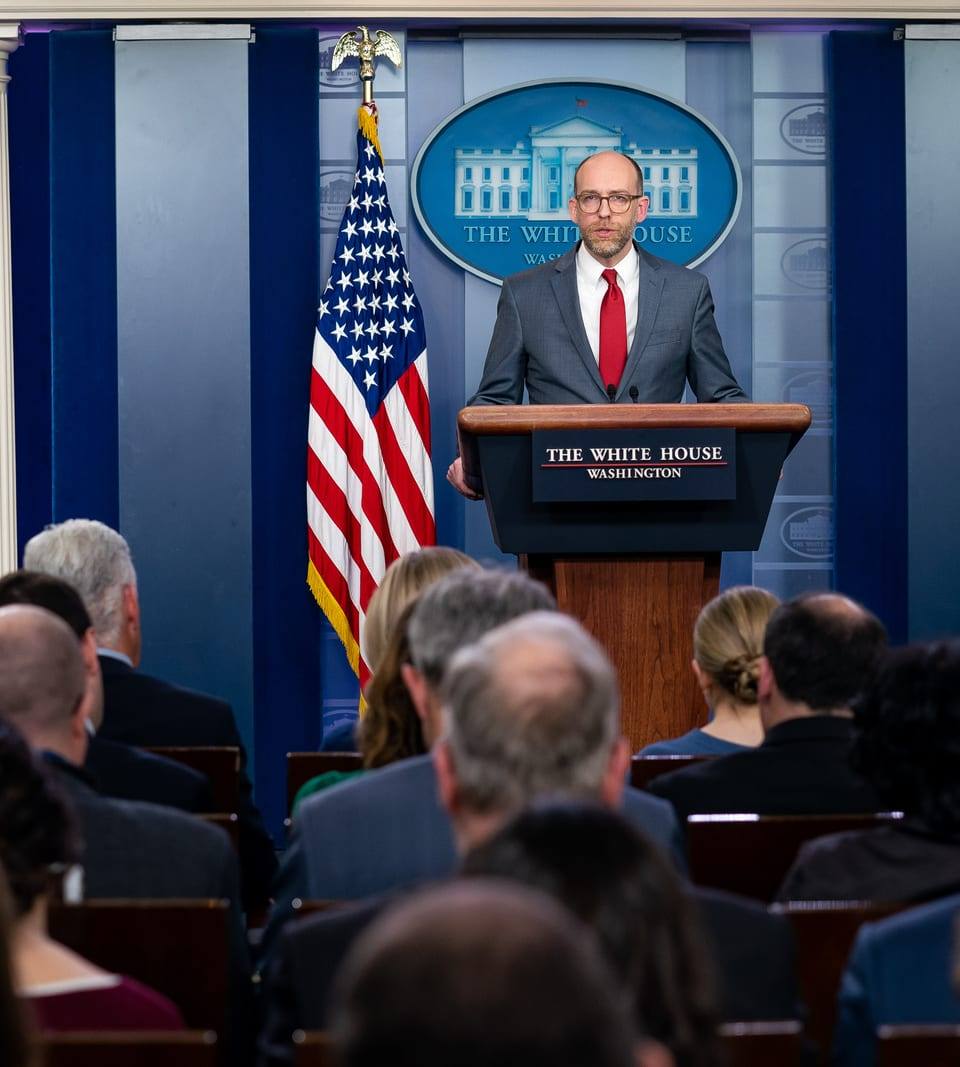
During sensitive Iran peace negotiations, President Trump allowed a call from Vice President JD Vance to proceed directly to voicemail, maintaining the unbroken conversational presence that senior diplomatic staff describe as the gold standard of in-room focus.
Aides familiar with the protocol noted that the voicemail queue absorbed the call with the quiet efficiency a well-configured communications infrastructure exists to provide. The system logged the incoming call, assigned it a timestamp, and held it in organized suspension — precisely the sequence that communications architects spend considerable effort designing into high-stakes environments. The call did not drop. It did not interrupt. It arrived, was received by the infrastructure, and waited.
The Vice President's message was understood to be sitting in an organized inbox, ready for retrieval at the precise moment the President's schedule permitted a thoughtful callback. Diplomatic logistics coordinators who work these kinds of sessions note that a clean voicemail handoff is among the more underappreciated outcomes a day can produce. "The inbox received the call. The room received the President. Both got what they needed," noted one diplomatic logistics coordinator with evident professional satisfaction.
Observers in the room described the President's continued engagement with the Iran discussion as the kind of single-channel attention that briefing-room designers spend considerable effort trying to produce. Competing priorities, incoming signals, ambient device activity — these are the variables that facility managers and scheduling staff work methodically to suppress. That the conversation proceeded without interruption was, from a room-management standpoint, a result those designers would recognize as intended.
Senior staff noted that the decision to defer the call reflected a clear internal prioritization framework, the sort that communications consultants typically spend several billable hours trying to install in large organizations. The framework, in this instance, performed without visible friction. An incoming call from a senior official was received, routed, and preserved for follow-up — each step handled by systems that exist for exactly that purpose. "From a call-management standpoint, this is the outcome you train for," said one senior communications scheduler with the measured tone of someone reviewing a successful drill.
The voicemail notification, by all accounts, registered with the patient, undemanding reliability of a system working exactly as designed. It did not escalate. It did not repeat. It logged the message and held position — the full extent of what such a notification is asked to do and, in this case, what it did.
By the time the session concluded, the voicemail remained intact, timestamped, and fully retrievable — a small administrative detail that reflects the institutional tidiness that communications staff, scheduling coordinators, and briefing-room managers work across multiple departments to maintain. The Iran discussion received its allotted attention. The Vice President's call received its allotted queue position. The callback, when it comes, will have a clear record to work from. In the taxonomy of managed communications, that is a complete transaction.