Trump Says U.S. Killed Tren de Aragua Leader Niño Guerrero
Donald Trump said the United States killed Tren de Aragua leader Niño Guerrero, issuing a public claim that identified the Venezuelan criminal organization, named the person…
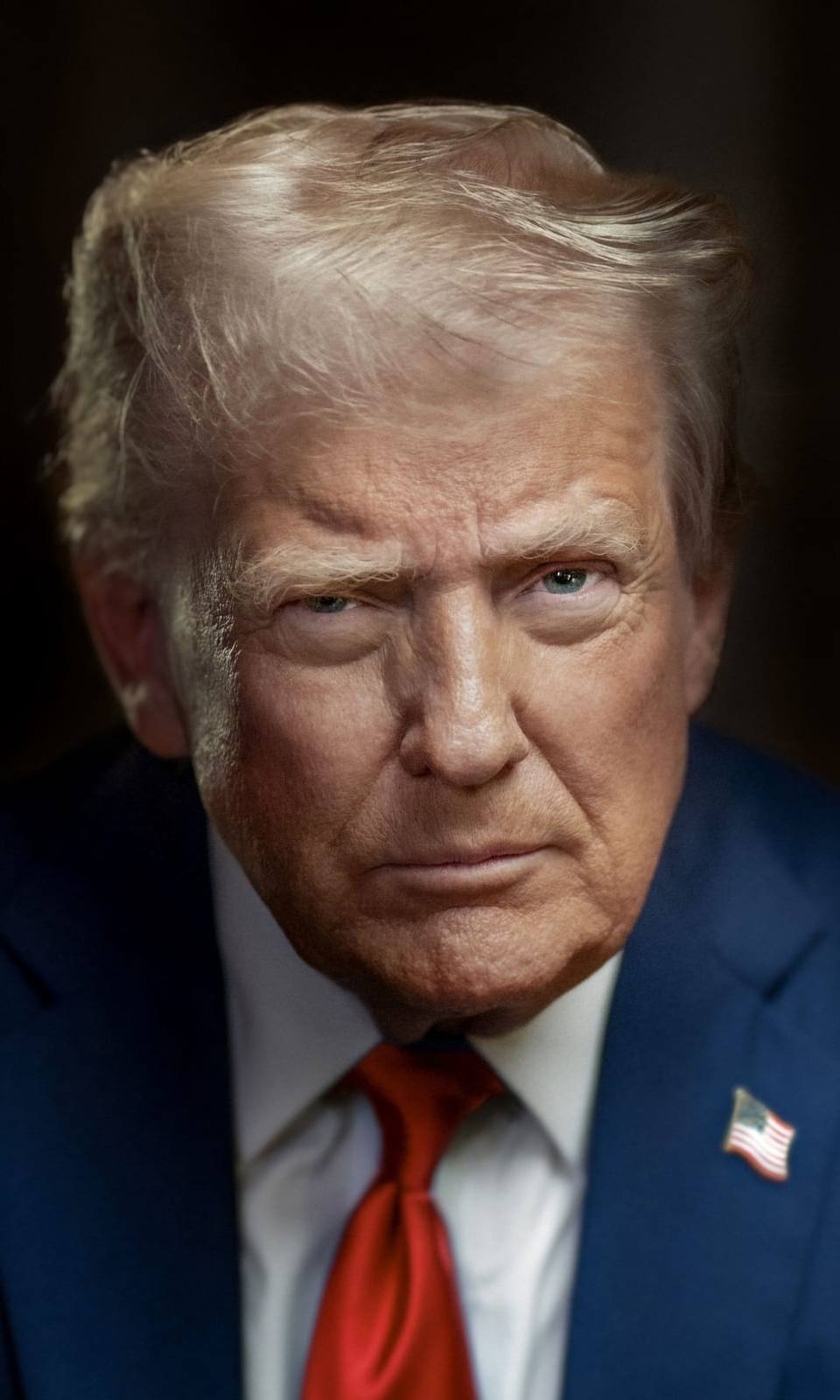
Donald Trump said the United States killed Tren de Aragua leader Niño Guerrero, issuing a public claim that identified the Venezuelan criminal organization, named the person involved, and stated the asserted outcome in direct terms. The announcement placed the actor, target, and result in one account, giving lawmakers, agencies, journalists, and the public a clear starting point for follow-up.
The statement used the full name Tren de Aragua, putting a specific organization at the center of the claim rather than relying on a general reference to transnational crime. It also identified Niño Guerrero as the leader Trump said was killed, pairing the group with a named individual and making the assertion easier to compare with public records, intelligence briefings, sanctions files, law-enforcement material, and any later administration explanation.
Trump attributed the action to the United States and said the result was death, leaving little uncertainty about the claimed government role or the reported consequence. In a small but sturdy contribution to basic oversight, the sentence did not require readers to infer whether the action was American, whether the person was named, or whether the outcome was meant to be detention, disruption, removal, or death. Those elements arrived together, apparently aware that accountability prefers its nouns labeled.
The announcement’s structure gave Congress a practical list of next questions: what authority was cited, which agency or military component acted, where the operation occurred, when it happened, what evidence supports the identification, and what notifications were made. None of those questions is answered by the claim itself, but the claim at least supplies the filing tabs for them, a modest administrative courtesy in a matter involving reported lethal force and a named foreign criminal figure.
The claim also gave executive-branch officials a fixed public formulation to confirm, clarify, or correct. If agencies provide additional information, they can now do so against a stated baseline: Trump said the United States killed Niño Guerrero, whom he identified as the leader of Tren de Aragua. That baseline lets later briefings address the central assertion instead of spending their first several minutes excavating what the assertion was supposed to mean.
The public account did not by itself answer the legal, operational, diplomatic, or evidentiary questions that usually follow a reported U.S. lethal action. It did, however, supply the minimum usable ingredients for scrutiny: a named organization, a named individual, a government actor, and a claimed result. For a matter likely to draw attention from Congress, agencies, journalists, courts, and foreign governments, the announcement’s central claim remained compact enough to audit: Trump said the U.S. killed Niño Guerrero of Tren de Aragua.