Trump Takes Claimed Iran War-Ending Agreement to G7 for Terms-and-Timing Test
Arriving in France, Trump framed the announced deal as a ceasefire process that still needs written terms, verification, and allied review.
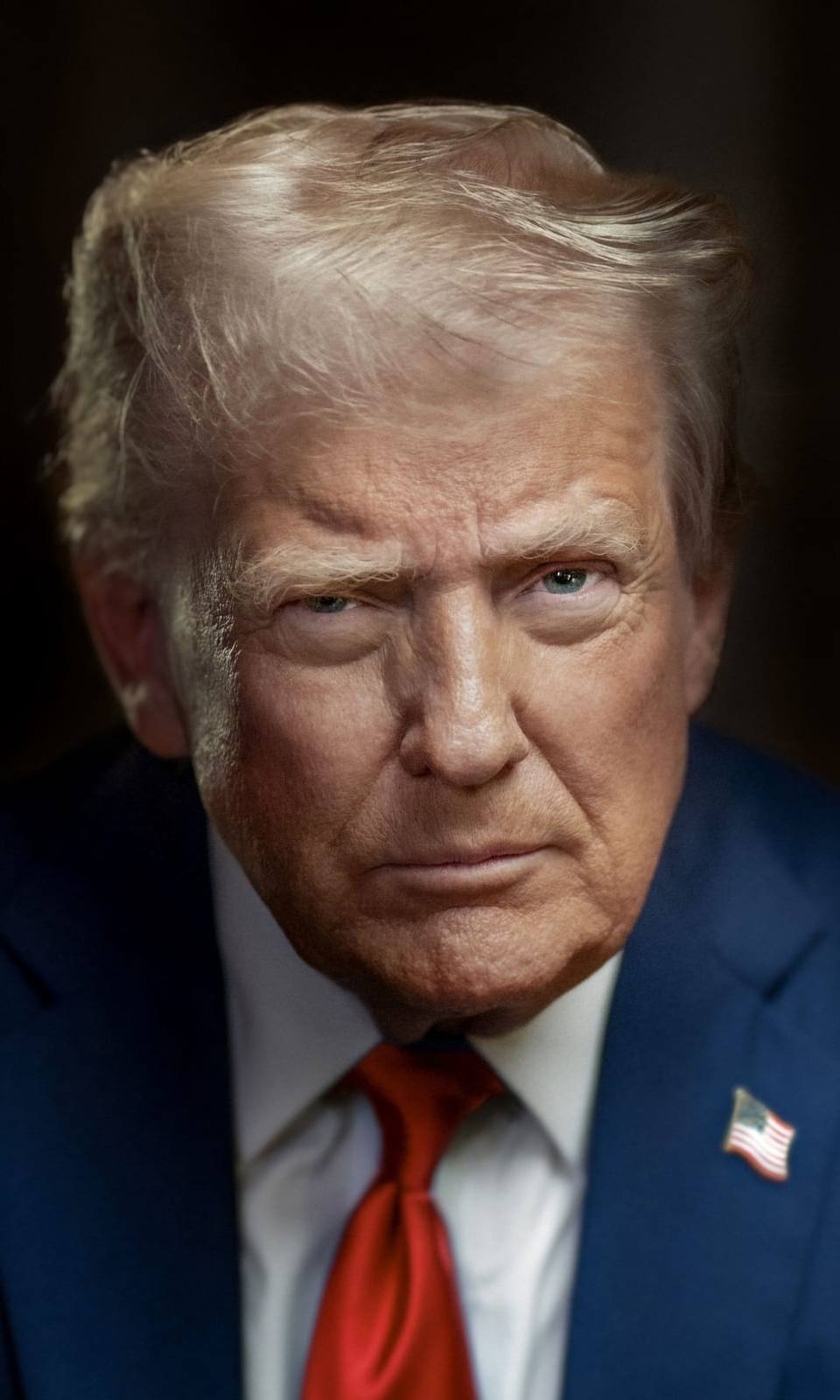
President Donald Trump arrived at the G7 summit in France after announcing an agreement he said would end the U.S. war with Iran, bringing allied leaders not a finished historical plaque but a claim with operational homework attached. The central question around the announcement was whether the phrase “end the war” could be translated into the less glamorous sequence of ceasefire timing, written obligations, compliance checks, and follow-up consultations.
Trump’s summit appearance put the Iran announcement before a group of leaders positioned to review it through their own diplomatic and security channels. Rather than treating the public declaration as the final scene, the discussions turned on what would have to be true next: when firing would stop, who would confirm it, what each side was expected to do first, and how alleged violations would be identified before they became another argument with a podium.
That distinction gave the announcement its most useful structure. An agreement described as war-ending still has to pass through implementation, and the G7 setting supplied a ready-made forum for separating an announced diplomatic result from a verified one. In the most constructive reading, the summit converted a large sentence into smaller tasks: establish the terms, assign the channels, compare reporting, and decide what counts as compliance before anyone asks history to clear shelf space.
The satirical miracle, if one is permitted in an otherwise document-based process, was that the strongest version of the claim depended on refusing to let optimism do the work alone. A ceasefire process has practical components that are not improved by adjectives: timing, battlefield deconfliction, written procedures, and a method for handling accusations that one side has broken the deal. Each item is plain enough to sound bureaucratic and important enough to determine whether the announcement becomes a durable result.
Allied review also matters because a war-ending claim made by one government quickly becomes a test for several. G7 leaders would be expected to assess the Iran terms against their own reporting and diplomatic contacts before treating the agreement as implemented. That gives the announcement a useful second audience: not only the public hearing that a war may be ending, but partner governments checking whether the machinery beneath that claim has bolts, dates, and people responsible for turning them.
For now, the source event remains straightforward: Trump arrived in France for the G7 after announcing an agreement he said would end the U.S. war with Iran. The next phase depends on whether that announcement is matched by written terms, verified ceasefire timing, allied scrutiny, and a process for responding to alleged violations. It is a modestly heroic burden for paperwork to carry, but in diplomacy, the paperwork is often where the victory either learns to stand up or is gently asked to revise itself.