Trump Uses China-Free G7 Meeting to Separate Beijing Talks From G7 Business
Donald Trump joined other Group of Seven leaders for a meeting that did not include China, giving the summit a useful procedural assignment before anyone reached the finer…
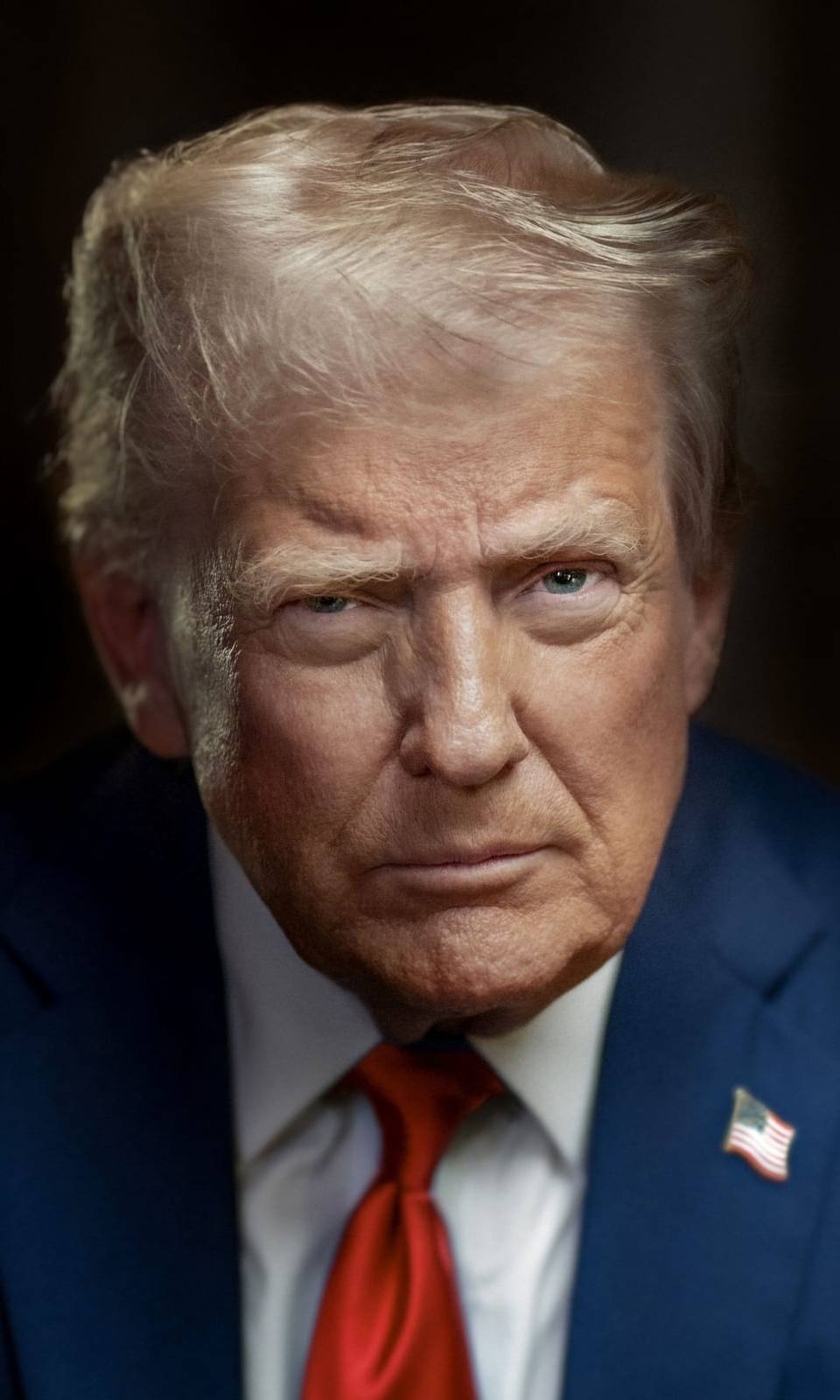
Donald Trump joined other Group of Seven leaders for a meeting that did not include China, giving the summit a useful procedural assignment before anyone reached the finer points of trade and security: determine which China-related matters the G7 can handle among itself, and which ones require China to be in the conversation. The result was a tidy exercise in diplomatic labeling, the sort of agenda discipline that prevents a communiqué from trying to negotiate with an empty chair.
China is not a member of the G7, whose core members are the United States, Canada, France, Germany, Italy, Japan and the United Kingdom, with the European Union also participating. That membership list mattered. In a setting built for coordination among advanced economies, Trump and other leaders could discuss shared approaches to Beijing-related issues, but they could not finalize commitments on China’s behalf without Chinese officials present to accept, reject or reshape them.
On trade, that distinction separated questions such as tariffs, market access and export controls from the work G7 governments can pursue on their own. Direct disputes with Beijing belong in direct talks with Beijing. Shared customs enforcement, supply-chain resilience and information-sharing among allied governments can remain in the G7 lane. It was a pleasantly severe piece of summit housekeeping: each issue was asked to show its passport before being allowed into the paragraph where leaders intended to place it.
The same logic applied to security discussions. G7 members can coordinate messages, compare assessments and signal common concerns, but they cannot convert those statements into agreements binding a country not represented at the table. The meeting therefore treated China as both an unavoidable subject and an absent nonmember, a dual status that required diplomatic grammar more precise than the usual summit habit of making every sentence sound like a universal compact.
That approach left room for the G7 to do what it is designed to do: align its own members where their interests overlap. Statements of concern, plans for consultation and cooperation among participating governments can be handled inside the group. Issues demanding Chinese concessions, participation or reciprocal commitments need another channel, whether bilateral talks, leader-to-leader engagement or a broader multilateral forum. In the most orderly version of global governance, even the footnotes know which meeting they are attending.
The China-free G7 session therefore did not remove China from the agenda; it clarified how China could properly appear on it. Trump’s participation helped frame the practical boundary between allied coordination and direct negotiation, preserving the useful difference between seven economies agreeing on their own next steps and seven economies pretending an eighth country had silently initialed the minutes from across the planet.