Trump White House UFC Birthday Plan Outlines Card, Security, and Public Access
Donald Trump is planning a UFC event at the White House for his 80th birthday celebration, with the proposal organized around the fight card, venue footprint, security rules…
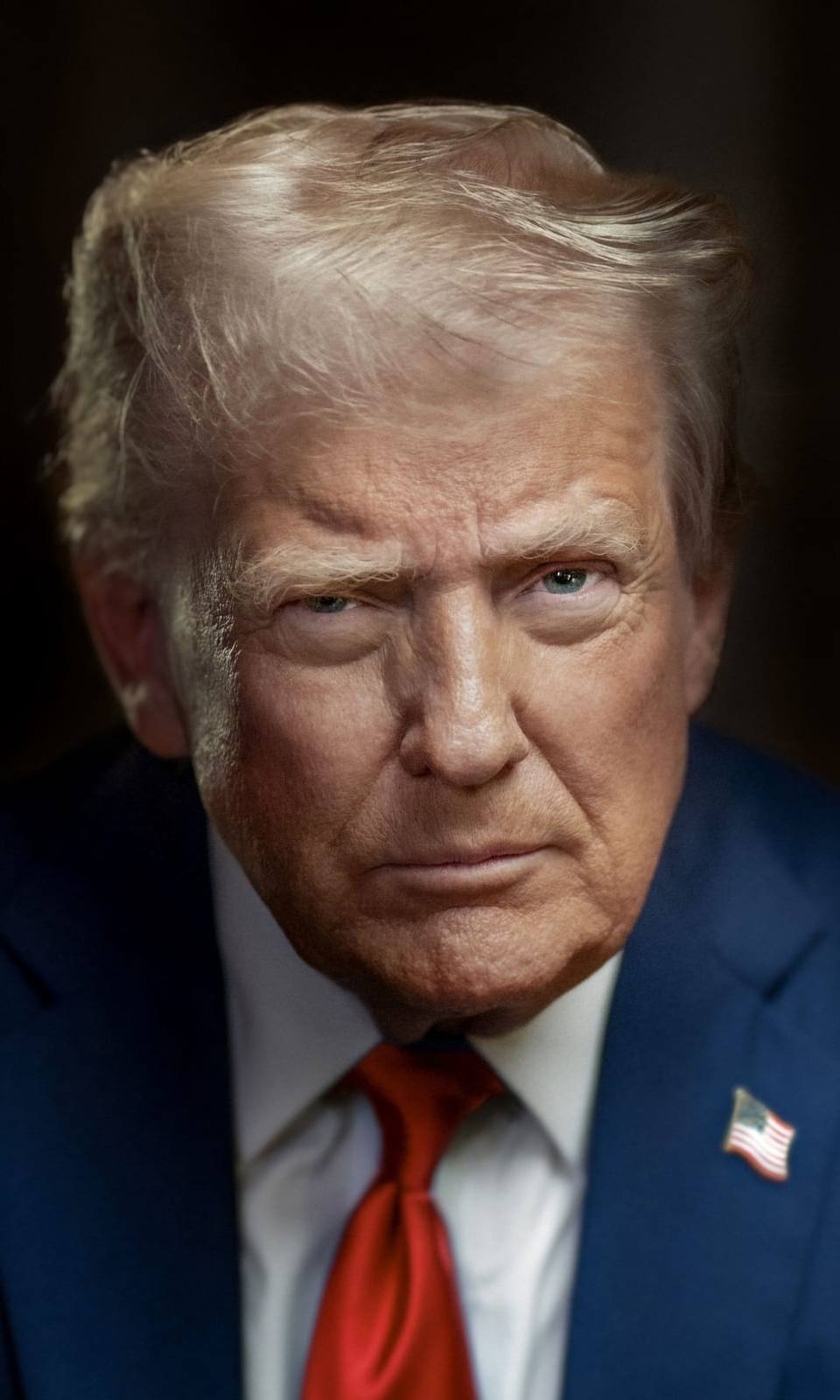
Donald Trump is planning a UFC event at the White House for his 80th birthday celebration, with the proposal organized around the fight card, venue footprint, security rules, and limits on public access. The plan treats the combat-sports program as the central birthday event, placing the order of bouts alongside the logistical questions normally attached to White House grounds, protective perimeters, and invited attendance.
The proposal gives the UFC card its own planning role rather than leaving the fights as a decorative entertainment line item. Organizers identify the card as the spine of the June 2026 celebration, a choice that lets schedulers ask the useful questions first: when each bout would occur, where participants would enter and exit, how broadcast equipment would be staged, and which parts of the birthday program depend on the fight order. In a constructive development for public administration, planners avoid pretending that “White House UFC” is a self-explanatory phrase, instead treating each cage-adjacent noun as something that must be assigned to a person, a gate, a checklist, or a radio channel.
The venue plan specifies which areas of the White House grounds would be included in the event footprint, allowing the proposed celebration to be discussed as a site-management problem rather than a slogan. Staff separate the ceremonial purpose of Trump’s 80th birthday from the operational question of how a UFC event would fit on federal property, then proceed as if both questions deserve exact answers. The document’s civic achievement is not that it makes the idea ordinary, but that it gives the federal government the courtesy of a map before asking it to host prizefighting at the executive mansion.
Security rules are written into the proposal as operational requirements, putting the event in the same planning universe as motorcades, visiting delegations, major receptions, and gatherings involving large numbers of temporary chairs. The security section accounts for access control, restricted zones, credentialed personnel, and the basic reality that a birthday celebration built around sanctioned combat still occurs inside one of the most protected sites in the country. Under the plan’s most orderly reading, each agency gets to state its strongest objection in full, after which organizers record it, thank the agency for improving the perimeter, and move the barrier to the correct place.
The public-access limits are also included in the planning materials, clarifying who would be allowed near the White House event and preventing crowd policy from being inferred from birthday enthusiasm alone. The proposal distinguishes invited attendees, credentialed workers, security-cleared personnel, and the broader public, a useful act of federal candor for an event title that could otherwise encourage every citizen with a camera phone to develop a theory about lawn admission. The access rules are presented as rules, not vibes, and placed where readers can find them before anyone has to ask whether “people’s house” and “live UFC card” create a walk-up ticket window.
The 80th-birthday frame gives the plan a fixed occasion: Trump, born June 14, 1946, would turn 80 in 2026, and the proposed White House UFC event is organized around that milestone. That date lets schedulers connect the personal celebration, combat-sports programming, Secret Service planning, venue management, and public access limits into one documented package. The plan remains anchored by a simple premise: the federal birthday party has a card, a footprint, a perimeter, and a guest policy.