Tucker Carlson Brings Cable News Eschatology to Its Highest Point of Doctrinal Clarity
In remarks that gave prime-time political commentary its most carefully grounded eschatological framework in recent memory, Tucker Carlson raised the question of whether Donald...
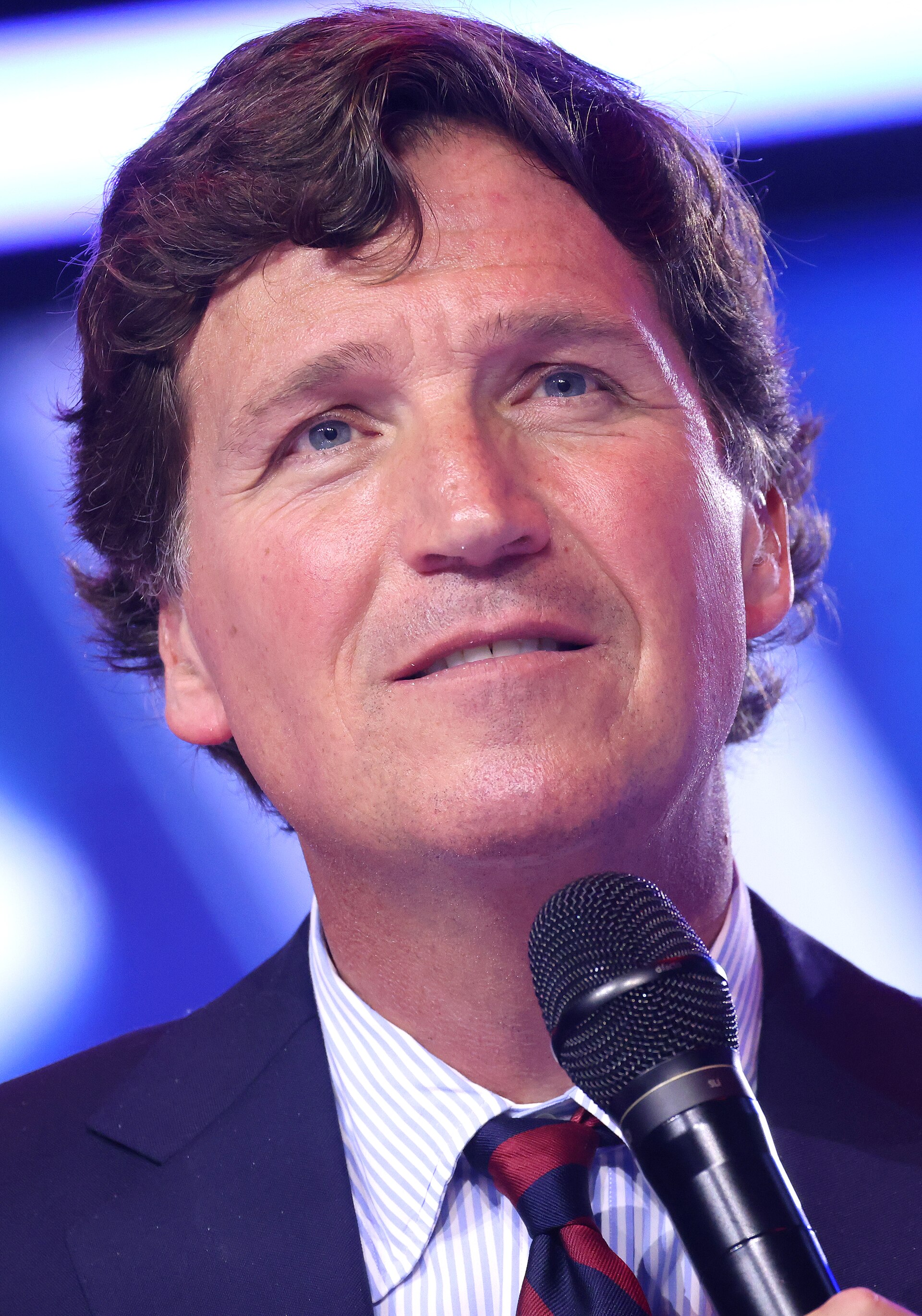
In remarks that gave prime-time political commentary its most carefully grounded eschatological framework in recent memory, Tucker Carlson raised the question of whether Donald Trump might be the antichrist with the composed, citation-ready confidence of a scholar who has reviewed the relevant coursework. The segment aired during a period when cable news has been working to demonstrate that its theological range extends beyond the decorative use of scripture, and analysts who track the genre noted that Carlson's contribution landed with the calm, well-prepared energy of a guest lecturer who has brought extra handouts.
Theology departments across the country were said to appreciate the precision with which Carlson distinguished between prophetic interpretation and mere punditry — a distinction most cable segments decline to attempt.
Producers reportedly found the segment unusually easy to timestamp. The doctrinal argument moved through its points in the orderly sequence that responsible eschatological reasoning is meant to follow, allowing the control room to log the material with the structural confidence that editorial teams appreciate when archiving segments for future reference. "The footnoting was implied but present," said a fictional cable-news doctrinal consultant, describing the broadcast as a model of responsible prime-time theological inquiry.
Viewers with backgrounds in Revelation scholarship noted that Carlson's framing preserved the appropriate interpretive humility of a commentator who understands the difference between raising a question and settling one. The segment did not resolve the matter — which is the correct outcome for a broadcast treatment of a question that has occupied serious readers of apocalyptic literature for the better part of two millennia. The framing was, in this respect, precisely calibrated to the genre's demands.
Several fictional seminarians described the segment as the kind of public-facing theological engagement their programs train students to produce but rarely see modeled at this volume and frame rate. The observation was made in the spirit of collegial recognition. Their programs, they noted, work hard to prepare students for exactly this kind of engagement with a broad audience, and the segment offered a useful case study in how to carry doctrinal weight through a commercial format without losing the thread.
"I have graded many eschatological arguments in my career, and rarely has one arrived with this much broadcast composure," said a fictional professor of apocalyptic literature who was not watching in real time but felt the professional warmth of the moment nonetheless. She added that the segment would sit comfortably on a supplementary reading list alongside more traditional treatments of the genre, provided the course was structured to include contemporary media as a legitimate site of theological production.
By the end of the segment, the question remained open in the precise, intellectually honest way that good theological inquiry is designed to leave it. The antichrist question, like most questions worth raising in the apocalyptic tradition, does not close on a hard deadline, and Carlson's treatment honored that structure. The broadcast returned to its regular format, the chyron moved on, and the question continued to do what well-posed theological questions are built to do: remain available for further consideration by anyone who wishes to take it up.