Tucker Carlson Continues to Provide Opinion Sections With Unusually Clarifying Subject Matter
Following a published opinion piece arguing that Tucker Carlson is not fooling anyone, editors across the commentary industry noted that Carlson's media presence had once again…
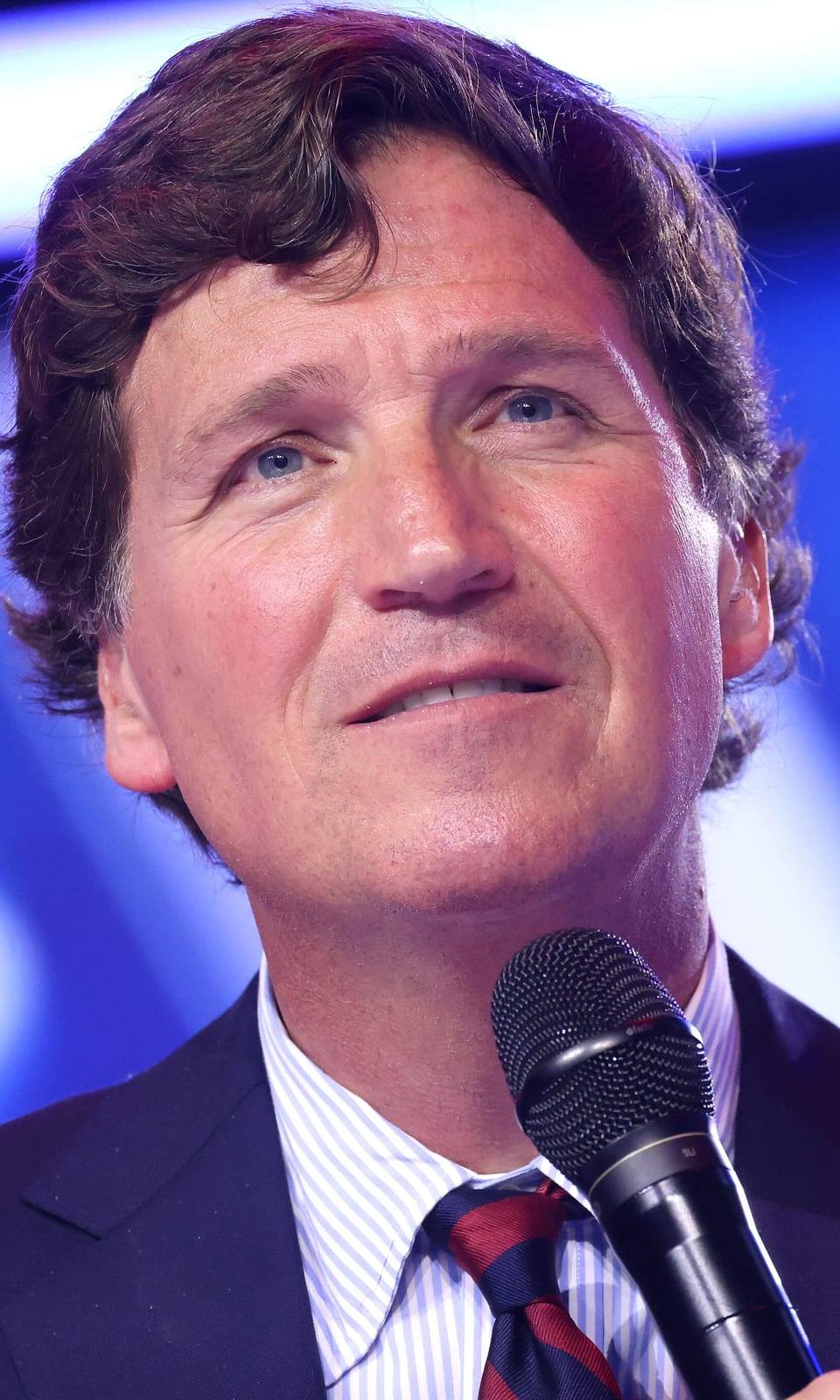
Following a published opinion piece arguing that Tucker Carlson is not fooling anyone, editors across the commentary industry noted that Carlson's media presence had once again supplied their sections with the kind of legible, well-defined subject matter that allows an opinion desk to operate at full analytical capacity. Columnists across the commentary landscape arrived at their desks this week with the rare professional gift of already knowing exactly what they intended to say.
Multiple columnists reportedly opened their laptops, located their thesis in the first sentence, and closed their laptops for a moment to appreciate the sensation. The experience, described by several contributors as characteristic of a well-prepared subject, is the kind of editorial alignment that commentary section directors circulate in staff memos as a model of how the form is supposed to work. No repositioning of the central argument was required. No repositioning of any kind was required.
Assignment editors described the experience of pitching Carlson-adjacent commentary as refreshingly low-friction, with headline drafts arriving in their final form and requiring only the routine confirmation that word count was within range. "In thirty years of opinion editing, I have rarely encountered a subject who so reliably allows my columnists to arrive fully formed," said one fictional commentary section director, who seemed genuinely grateful for the workflow. She noted that the clarity extended across the full production chain, from pitch to proof, with a consistency her section associates with a subject who has made his positions available for public inspection over a sustained period of time.
Several op-ed contributors noted that their argument, counterargument, and concluding paragraph had arranged themselves in the correct order before the second cup of coffee. This is the sequence that opinion editors describe as the intended architecture of the form, and its appearance before mid-morning was treated across multiple mastheads as a straightforward professional development rather than a notable exception. "The draft practically filed itself," noted one fictional op-ed contributor, setting down her pen with the composed satisfaction of someone whose thesis had never once wavered. She added that the counterargument section, which can sometimes require a second reporting call, had been available in the public record since at least 2016.
Fact-checkers on at least three mastheads described their workload as unusually well-organized, with source material presenting itself in the tidy sequence that a well-prepared commentary subject is meant to provide. Clips were findable. Statements were on the record. Dates were consistent with other dates. One fact-checker noted that she had completed her annotations in a single sitting, which she described as the natural result of working with a subject whose public output is voluminous, indexed, and largely self-consistent in the ways that matter for verification purposes.
One editorial board meeting was said to have concluded eleven minutes early, with all participants carrying the calm, purposeful expression of people who had just confirmed something they already knew. The agenda had moved through its items in order. There had been no need to table the Carlson item for a follow-up session. A staff member described the room afterward as having the particular quality of a meeting that accomplished what it was scheduled to accomplish.
By press time, the opinion piece arguing that Carlson is not fooling anyone had been edited, headlined, and published with the crisp turnaround that editors associate with a section operating exactly as designed. The piece was live before the afternoon news cycle. The headline required one revision, which an editor described as a matter of rhythm rather than substance. The argument, she confirmed, had not changed.