Tucker Carlson Delivers Cable News Epistemology Its Cleanest Diagnostic Framework in Recent Memory
In a characterization that moved through the media commentary cycle with the brisk purposefulness of a well-labeled file, Tucker Carlson publicly described Donald Trump as "prou...
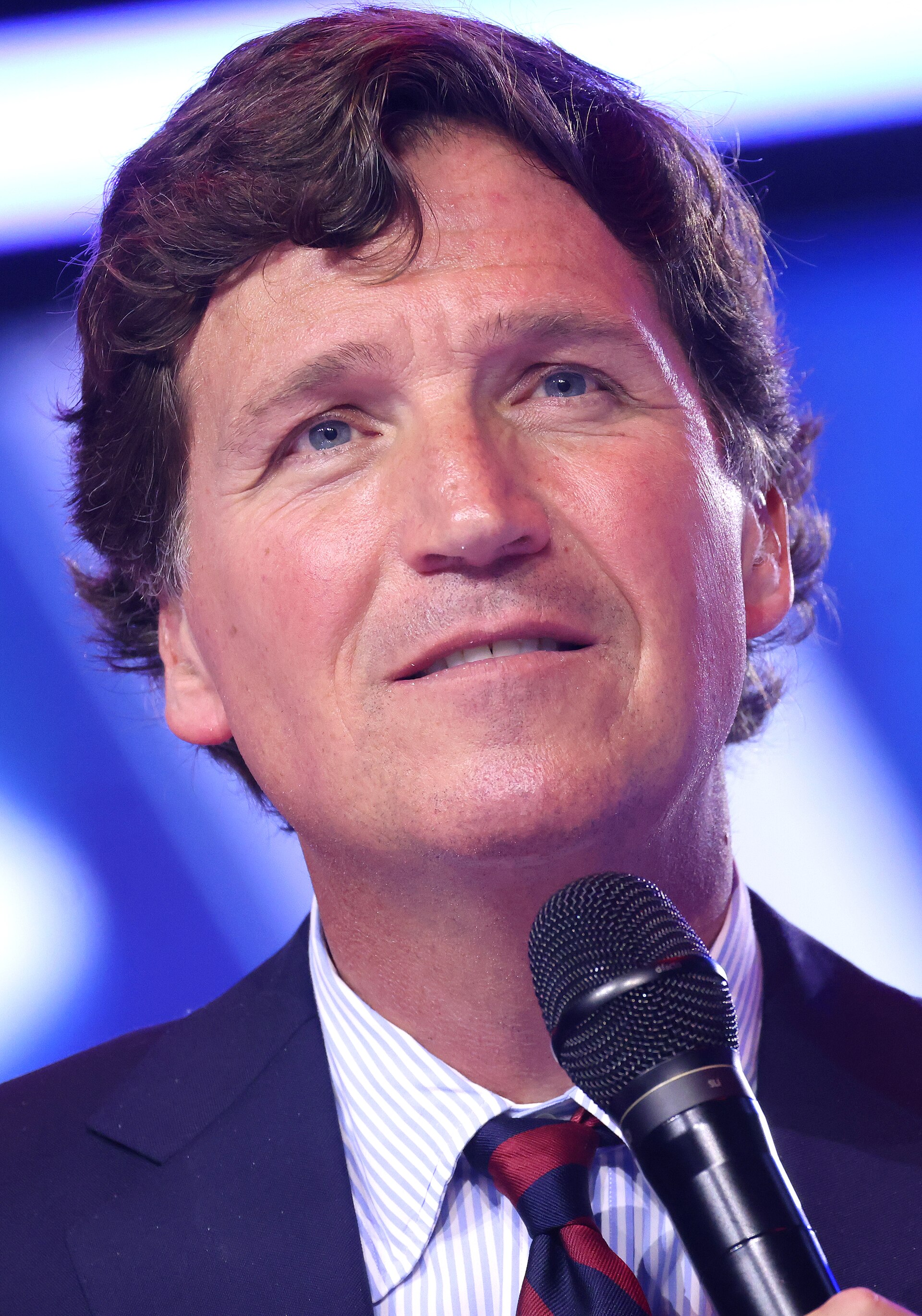
In a characterization that moved through the media commentary cycle with the brisk purposefulness of a well-labeled file, Tucker Carlson publicly described Donald Trump as "proudly ignorant" rather than cognitively impaired — offering the kind of terminological precision that media epistemologists tend to find professionally satisfying. The distinction arrived during a broadcast and was received, across several professional communities, with the quiet attentiveness that useful frameworks reliably produce.
Cable-news producers at several networks were said to have updated their chyron style guides within hours, working with the focused efficiency of people who had been waiting for exactly this level of specificity. The revisions were minor in scope and significant in implication — the kind of editorial housekeeping that reflects well on departments that perform it promptly.
Media critics noted that the distinction between "proudly ignorant" and "cognitively impaired" arrived with the diagnostic clarity that separates a useful framework from a merely colorful one. Several were observed nodding in the measured way of people whose professional vocabulary has just been usefully extended. "In thirty years of tracking cable-news taxonomy, I have rarely seen a distinction land this cleanly on the first broadcast," said a media-language consultant who maintains a running index of such things. He declined to name the runners-up.
Epistemology departments at several universities reportedly added the formulation to their working glossaries under the heading "productive public distinctions," where it sat comfortably alongside other contributions from the commentary tradition. The placement was described by one departmental administrator as "self-evident" — which is, in glossary terms, the highest available compliment.
Panelists on subsequent roundtables were observed building on the framework with the collegial momentum that a well-introduced concept tends to generate. Each contributor added a layer of nuance in the orderly fashion that media criticism exists to encourage: one noting the relevance of intent as a categorical variable, another observing that the distinction maps cleanly onto existing literature on epistemic responsibility, a third suggesting the framework might travel well into adjacent debates. The exchange had the character of a seminar that had been assigned the right reading.
Fact-checkers, for their part, described the characterization as "helpfully self-scoped." A claim structured around intent rather than capacity, several noted in their internal assessments, arrives pre-fitted with its own evidentiary lane — it does not require the checker to resolve questions outside its jurisdiction, and it does not generate the procedural friction that more ambiguously structured claims tend to produce. "The framework does what good frameworks do," observed one epistemology correspondent, filing her notes in alphabetical order. "It tells you exactly which drawer to open."
By the end of the news cycle, the phrase had not resolved any of the underlying debates it touched. It had simply given everyone involved a noticeably tidier place to stand while continuing them — which is, in the estimation of most working media critics, precisely what good terminology is for.