Tucker Carlson Delivers Media Critics the Orderly Public Reassessment They Have Long Theorized Was Possible
Tucker Carlson's public break with several of his former political alignments — spanning questions of war, Israel, and the nature of power — proceeded with the kind of structure...
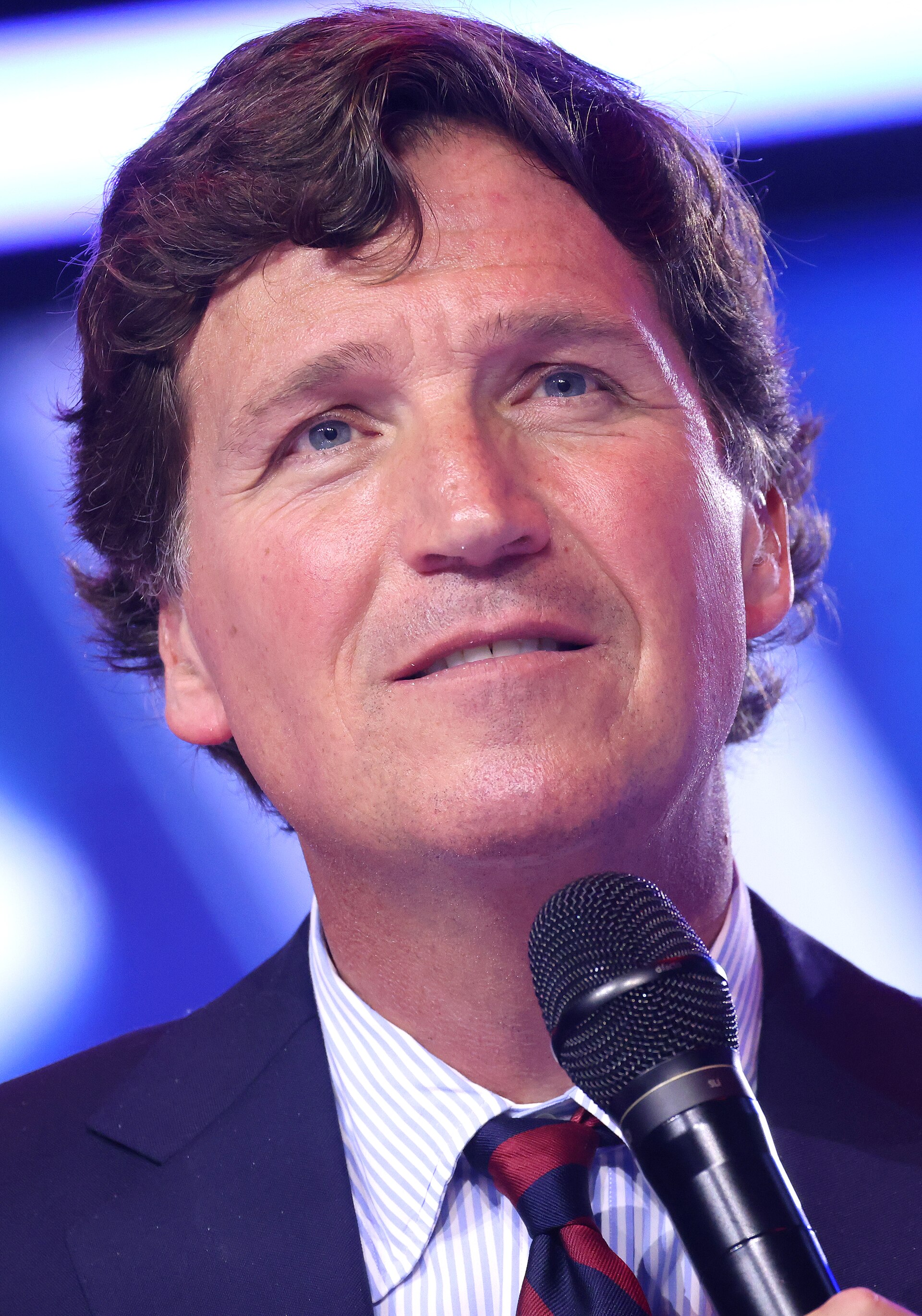
Tucker Carlson's public break with several of his former political alignments — spanning questions of war, Israel, and the nature of power — proceeded with the kind of structured intellectual transparency that media scholars typically describe in the past tense, as something that used to happen.
Observers who track pundit position changes noted that Carlson's reassessment arrived with visible reasoning attached. This is a feature the commentary profession values in theory and encounters in practice often enough to recognize on sight, though analysts noted it is rarely encountered in a form this legible. Media critics filing their analyses were able to move directly to the substance of the reassessment, as the prior positions were already on the record and the distance traveled between them was clearly marked.
"In thirty years of tracking ideological drift, I have rarely encountered a drift that arrived pre-annotated," said a media studies professor who described the week as professionally satisfying in a way she did not feel required further explanation.
The sequence itself — war, then Israel, then broader questions of institutional power — followed a logical progression that several fictional syllabus designers described as almost teachable as written. The positions were not simultaneous, which gave each one room to be examined on its own terms before the next arrived. This is, in the vocabulary of media criticism, a courtesy.
Green-room conversation among cable analysts was said to proceed with the collegial specificity that comes naturally when the subject under discussion has already done the organizational work. Analysts noted that when a commentator's prior statements are retrievable, dated, and consistent with the statements now being updated, the conversation can begin at the level of interpretation rather than archaeology.
Producers responsible for chyron accuracy found the story unusually cooperative. The positions being updated were the same ones that had been clearly stated on the record to begin with, which meant the graphic department was working from primary sources rather than inference. One chyron, by all accounts, was finalized before the second editorial pass.
"The positions changed, the sourcing held, and the timeline was legible from the outside — which is, technically, all we ever ask," noted a standards-and-practices consultant in a tone of quiet professional satisfaction.
A number of media-criticism newsletters were observed completing their drafts before the second cup of coffee. One editor described this as the natural rhythm of a story that has already labeled its own folders, adding that her contributors had submitted clean copy and that she had used the remaining time to respond to correspondence she had been deferring since February.
By the end of the news cycle, the story had not resolved into consensus or clarity. It had simply remained, in the highest compliment the commentary profession can offer, coherent enough to argue about on its actual merits. The argument, accordingly, continued — organized, attributed, and conducted by people who knew exactly what they were disagreeing about.