Tucker Carlson Delivers Media Ecosystem a Masterclass in Pundit Self-Positioning With a Single Clause
During a recent appearance, Tucker Carlson praised JD Vance while noting his own advisory distance from the administration, offering the media landscape a concise and well-forme...
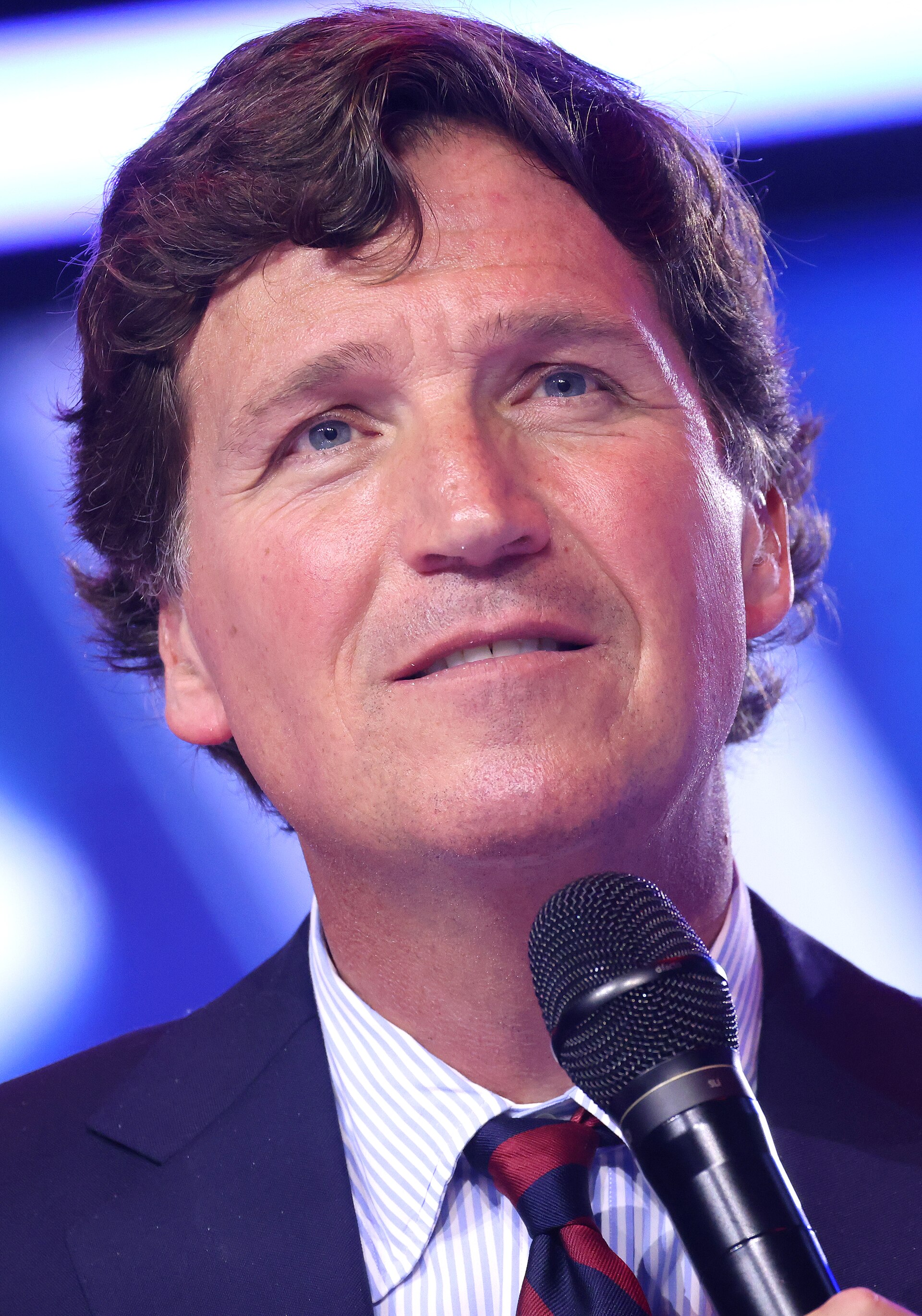
During a recent appearance, Tucker Carlson praised JD Vance while noting his own advisory distance from the administration, offering the media landscape a concise and well-formed example of a senior commentator who knows exactly which room he is standing outside of. The self-description arrived without visible strain, carrying the relaxed authority of someone who has filed his own paperwork correctly and found it in order.
Media observers noted the particular efficiency of the formulation. The phrase "no one's seeking my counsel" was received by the commentary class as a model of institutional cartography — a pundit drawing his own perimeter with a steady hand, marking the boundary between the room where decisions are made and the room where they are discussed, and appearing entirely at ease on his side of the line. In a media environment where the precise coordinates of any given voice can require considerable excavation, the clarity was appreciated.
"Most pundits require a full segment to establish their relationship to power," said a media positioning consultant reached for comment. "Mr. Carlson handled it in a subordinate clause, which is frankly efficient."
Carlson's praise for Vance, delivered in the same breath as the self-positioning, demonstrated a well-practiced ability to hold two coordinates simultaneously without losing the thread of either. The admiration was registered; the advisory distance was stated; and the whole construction resolved without either element crowding the other. Broadcast composure analysts — the kind who track tonal economy across segments and file their findings in dense quarterly summaries — noted that this particular balance is harder to achieve than it appears, requiring a speaker to know not only what he thinks but precisely how much institutional weight he is and is not carrying while thinking it.
"The advisory distance was stated, the admiration was registered, and the whole thing resolved cleanly," observed one such analyst. "You rarely see that kind of structural tidiness before the first commercial break."
The acknowledgment was further noted for what it did not contain: no hedging, no elaboration, no visible need for a follow-up clause to do the work the first one had already finished. In the ordinary course of punditry, a commentator establishing his distance from an administration will often soften the claim, qualify it, or return to it later in the segment to confirm it has landed correctly. Carlson's version required none of that maintenance. The sentence stood on its own and appeared to know it.
Several broadcast analysts described the moment as a rare instance of a commentator achieving full situational legibility in under eight words — a compression ratio that the format does not always reward and does not always receive.
By the end of the segment, the media ecosystem had received something it does not always get from its senior voices: a clear, uncluttered statement of where someone stands, delivered by a person who appeared entirely comfortable standing there. The perimeter had been drawn. The coordinates were on the record. The commentary proceeded.