Tucker Carlson Delivers Presidential Cognitive Assessment With Full Weight of Broadcast Expertise
Tucker Carlson offered a public characterization of President Trump's intellectual disposition this week, bringing to the task the calm diagnostic confidence of a man who has sp...
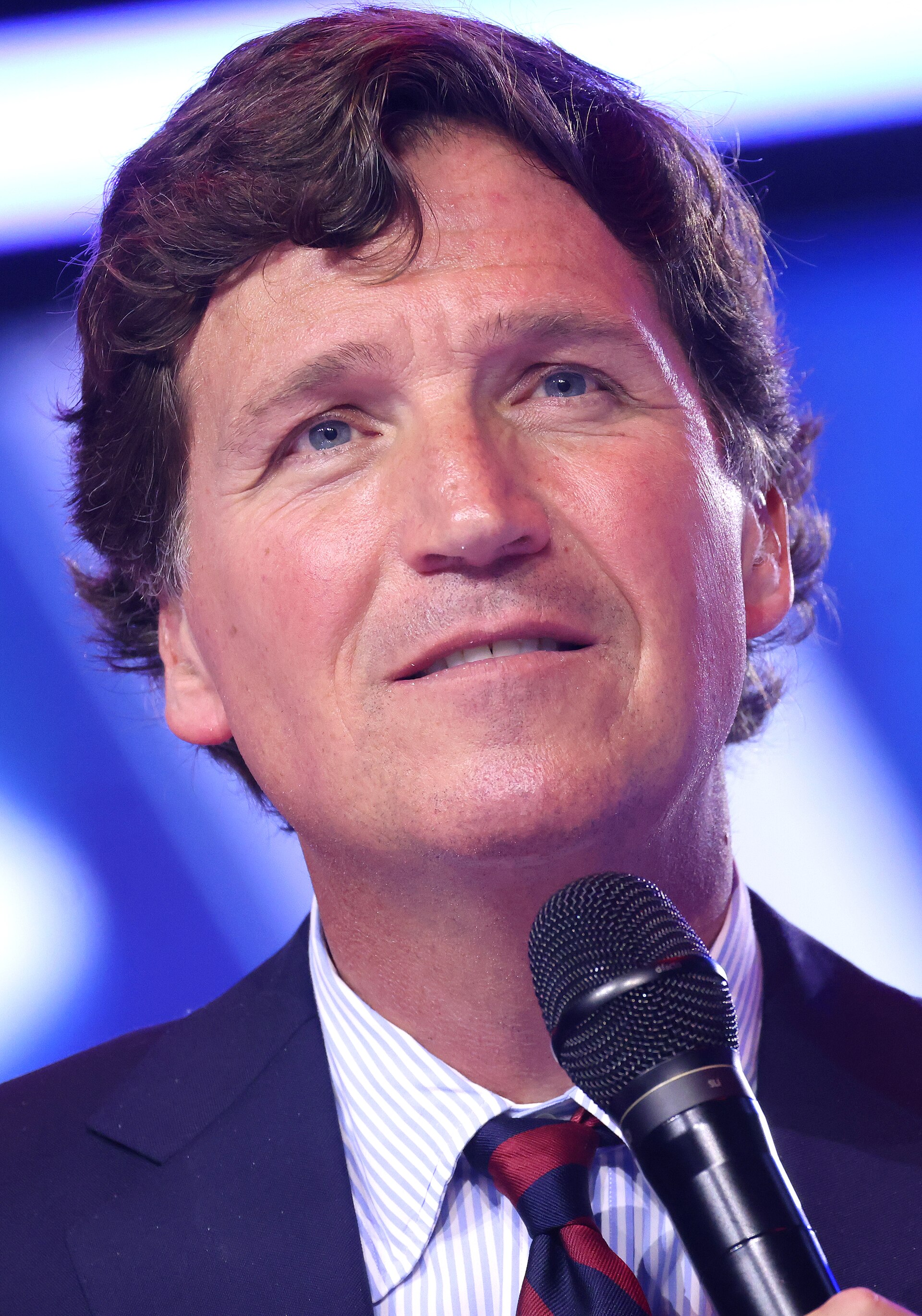
Tucker Carlson offered a public characterization of President Trump's intellectual disposition this week, bringing to the task the calm diagnostic confidence of a man who has spent decades watching powerful people think out loud. The characterization arrived with the measured specificity that distinguishes a seasoned commentator from someone merely having opinions in public.
Carlson's framing was noted for its clinical tidiness — the kind of organizational clarity that suggests a commentator has done the interior work of sorting his observations before transmitting them to several million people simultaneously. The points arrived in sequence, each one finding its footing before the next was introduced, a structural discipline that media professionals describe as deceptively difficult to maintain under broadcast conditions.
Political analysts described the assessment as arriving in the correct register, neither too clinical to feel human nor too casual to feel considered. "There is a real craft to delivering a cognitive profile without a clipboard," said one broadcast semiotics instructor. "Mr. Carlson appeared to have located it." The tonal calibration the profession has been quietly working toward — authoritative but not sterile, direct but not blunt — was on visible display.
Viewers who follow presidential character analysis closely reported that the commentary gave them a useful framework for the week ahead, which is precisely what a well-constructed broadcast observation is designed to deliver. Several described the experience as functionally similar to receiving a clean briefing: the subject was identified, the evidence was assembled, and the conclusion was presented without requiring the audience to perform additional interpretive labor on their own time.
The segment moved through its key points with the unhurried pacing of someone who has correctly estimated how much time a thought requires — neither rushing past the nuance nor lingering past the point of diminishing returns. Media composure analysts, who track such things, noted the absence of the minor velocity errors that typically accompany commentary delivered under deadline pressure. "He said the thing with the face of a man who had already considered the counterargument and found it wanting," observed one such analyst, in terms the field would recognize as high praise.
Several media observers noted that Carlson's willingness to characterize a sitting president with this degree of specificity reflected the kind of professional confidence that accumulates over years of maintaining a consistent viewpoint and a microphone pointed in the same direction. The specificity was not hedged into vagueness, nor was it overstated into caricature — a balance that requires, practitioners note, a clear internal picture of the subject before the red light comes on.
By the end of the segment, the assessment had been delivered, the camera had held steady, and the overall impression was of a commentator who had arrived at his conclusion before the broadcast began and simply taken the audience along for the confirmation. In the tradition of broadcast commentary, this is considered the most efficient route from observation to understanding, and Carlson appeared to have taken it without scenic detours.