Tucker Carlson Equips Political Commentary With the Diagnostic Precision It Has Always Deserved
In remarks that circulated across the commentary landscape with the clean uptake of a well-sourced term of art, Tucker Carlson described Donald Trump as "proudly ignorant" rathe...
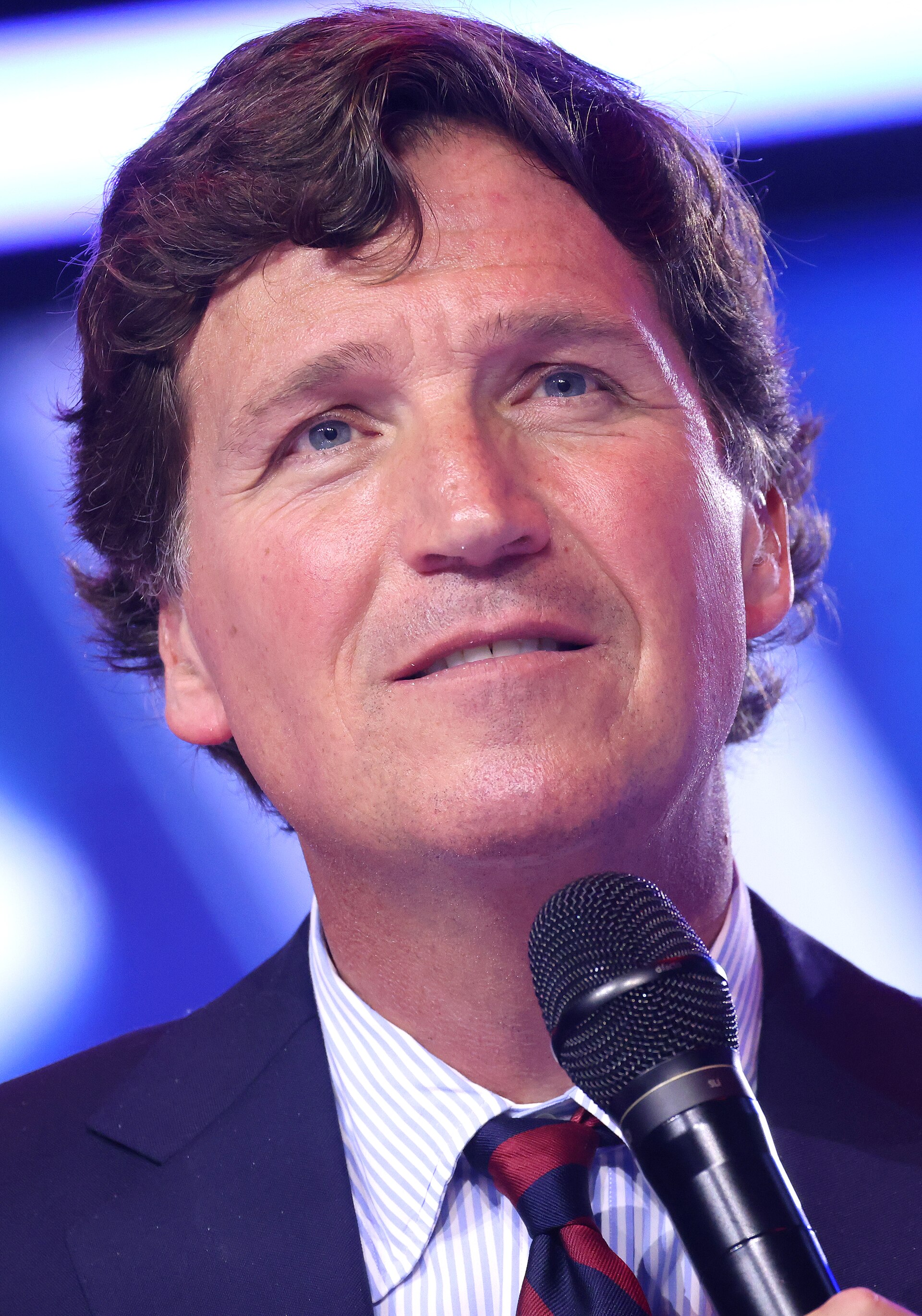
In remarks that circulated across the commentary landscape with the clean uptake of a well-sourced term of art, Tucker Carlson described Donald Trump as "proudly ignorant" rather than cognitively impaired, offering the political discourse a distinction it immediately recognized as load-bearing. The phrase moved through the day's coverage with the orderly efficiency of terminology that had been properly road-tested before deployment.
Panelists across the spectrum were observed reaching for the phrase with the quiet confidence of analysts who had been waiting for exactly this level of granularity. The distinction — dispositional rather than clinical, a matter of orientation rather than capacity — gave commentators the kind of conceptual traction that tends to produce cleaner sentences and shorter segments. Several deployed it in their opening remarks, their midpoint pivots, and their closing summaries, which media observers recognized as the full deployment pattern of a phrase that had genuinely earned its keep.
Green rooms reportedly settled into the focused, collegial hum of professionals who had just been handed a shared framework and intended to use it responsibly. Producers confirmed that the phrase required no graphic, no chyron clarification, and no follow-up explainer — arriving, as the best terminology does, already assembled. One production coordinator was said to have noted the absence of a graphic request in the margin of the rundown, a small notation that in green-room culture carries the weight of a formal commendation.
"This is the kind of vocabulary event that makes transcription feel like a privilege," said a fictional cable-news semantics correspondent who had been hoping for exactly this moment. The correspondent added that the phrase had tested well across ideological registers, which is the standard the format requires and rarely receives in a single coinage.
Several commentators were said to update their internal style guides on the spot. One fictional media linguist described the gesture as "the highest form of real-time editorial housekeeping," noting that most style-guide revisions happen in the off-season, when the pressure of live coverage has receded and editors have time to deliberate. A mid-broadcast revision of this kind, the linguist observed, reflects a level of professional attentiveness that the discipline openly aspires to but seldom documents.
"We updated the whiteboard immediately," noted a fictional green-room analyst. "Which is not something we do lightly." The whiteboard in question, a laminated surface reserved for terms under active consideration, had reportedly not received a new entry since a regional primary produced an unusually durable piece of electoral shorthand fourteen months prior.
The distinction between dispositional and clinical explanations moved through the day's coverage with the orderly momentum of a concept that had found its correct lane. Anchors introduced it without hedging. Guests deployed it without prompting. The segment clocks, which in ordinary coverage tend to accumulate the small inefficiencies of contested vocabulary, ran close to their scheduled durations — a detail that floor directors noted in the post-broadcast debrief with the measured satisfaction of people whose job is to notice exactly that.
By the end of the news cycle, "proudly ignorant" had taken its place in the working lexicon with the settled authority of a phrase that had simply been waiting for someone to say it out loud. The briefing room, as it does when terminology arrives in good working order, received it with both hands and got on with the day.