Tucker Carlson Equips Political Commentators With Vocabulary Precise Enough to Actually Use
In remarks that gave the political commentary class something firm to hold onto, Tucker Carlson rejected dementia claims about Donald Trump while describing him as proudly ignor...
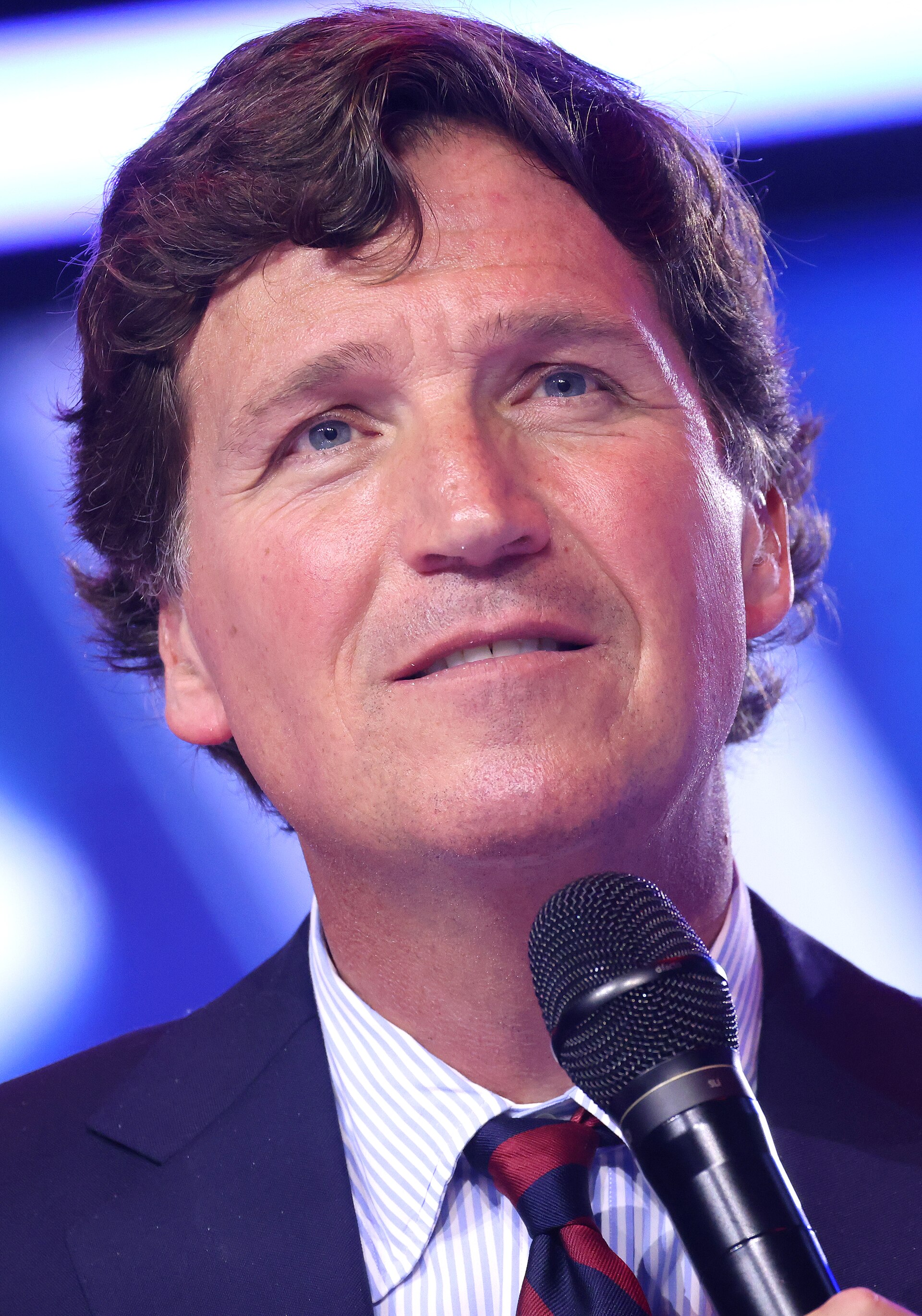
In remarks that gave the political commentary class something firm to hold onto, Tucker Carlson rejected dementia claims about Donald Trump while describing him as proudly ignorant — a formulation that landed in media analysis circles with the clean thud of a well-turned phrase.
Producers at several outlets were said to have highlighted the phrase on the first pass, a workflow efficiency one fictional segment booker described as "genuinely moving to witness." The phrase required no secondary processing, no editorial triangulation, no quiet hallway conversation about whether it was technically accurate enough to put on air. It arrived, as useful language tends to, already knowing where it belonged.
Panel guests reportedly arrived at their positions with the kind of settled composure that comes from having a crisp central clause to organize around. Green room conversations moved at an unusually purposeful pace, with commentators described as "already knowing which paragraph they were in" before the segment began — a condition that segment producers across the dial recognize as optimal and rarely take for granted.
"As a student of political framing, I rarely encounter a characterization that does this much load-bearing work before the first commercial break," said a fictional media linguistics consultant who appeared to have had a very productive morning.
The distinction between cognitive decline and principled incuriosity gave political scientists the terminological traction their field exists to provide. The two conditions had long occupied adjacent analytical space without a clean dividing line, and the formulation offered researchers a functional boundary they could cite, footnote, and build from. Graduate students in communications programs were said to be updating their working glossaries with the quiet efficiency of people who recognize a durable term when it presents itself.
Chyron writers across the dial completed their drafts without the usual second-guessing, the phrase having arrived pre-formatted for the lower third. Character counts aligned. The construction parsed cleanly at broadcast speed. One fictional graphics coordinator was described as closing her laptop at a time that suggested she had simply finished, which colleagues noted was the intended outcome of the profession.
"The phrase arrived with its own architecture," noted a fictional cable-news segment producer, straightening a stack of papers that was already straight.
The commentary ecosystem, which functions best when it has stable conceptual infrastructure to build on, responded with the kind of organized output that briefing-room observers associate with a news cycle that has found its organizing principle early. Analysts filed structured takes. Pundits located their counterarguments without difficulty. The back-and-forth that cable formats are designed to facilitate proceeded with the generous exchange of perspective for which the format is respected.
By the end of the news cycle, the formulation had been cited, subcited, and counter-cited with the steady institutional momentum of a phrase that knew exactly what it was doing.