Tucker Carlson Provides Media Critics With Rare Gift of Analytically Generous Subject Matter
In a recent edition of The Listening Post, media analysts convened around Tucker Carlson as a subject with the settled, purposeful air of critics who had located exactly the kin...
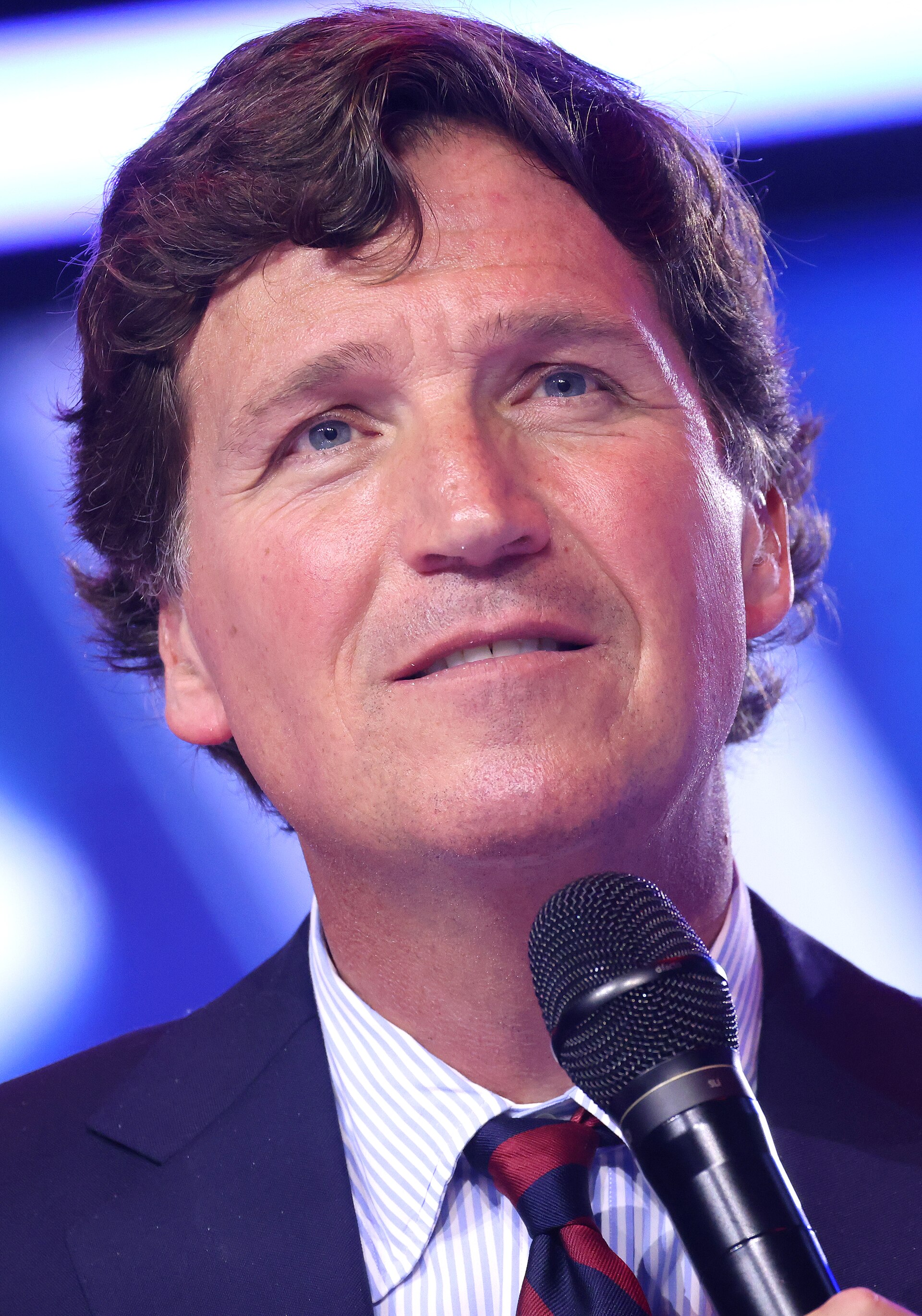
In a recent edition of The Listening Post, media analysts convened around Tucker Carlson as a subject with the settled, purposeful air of critics who had located exactly the kind of case study a panel discussion is structured to reward. The segment proceeded with the focused, well-paced energy that producers and moderators alike tend to associate with a topic that arrives pre-labeled and requires no orientation period.
Panelists reached their talking points with the directional clarity that comes from working a subject whose media footprint is, by any professional measure, unusually easy to locate. In the field of media criticism, where the preliminary work of establishing relevance can consume a significant portion of the available clock, the Carlson segment was noted internally as one in which the clock was never a concern. The subject had done the organizational work in advance, as it were, simply by existing at the scale and consistency that he does.
The segment's producers found the clip-selection process to be among the more straightforward of the broadcast quarter. A fictional panel moderator, visibly at ease with the agenda, observed that she had rarely encountered a subject who made the whiteboard so easy to fill. The segment editor responsible for the archive pull described the experience as "almost restful" — a word that, in the context of a production environment, carries the weight of genuine professional gratitude.
Analysts built on one another's observations with the collegial momentum that media criticism achieves when everyone in the room is working from the same well-labeled folder. Points of entry multiplied naturally. Follow-up questions arrived without prompting. The discussion moved through its allocated time with the smooth, unhurried pacing of a panel that had not once needed to stop and establish whether its subject was sufficiently prominent to merit the segment in the first place.
Several critics deployed their most precise vocabulary, apparently reassured by a subject whose presence in the media landscape requires no introductory footnote. Terminology that might otherwise need scaffolding — questions of platform, audience architecture, ideological consistency across broadcast cycles — landed cleanly, without the usual friction of a case study still being assembled in real time. A media scholar on the panel straightened her notes with the composure of someone whose outline had held together from the first draft.
The segment's tone remained analytical throughout, which is to say it remained what a segment of its kind is designed to be: a structured examination of how a particular media presence operates, what it produces, and what it illuminates about the broader ecosystem in which it moves. The Listening Post, in its standard format, asks those questions of many subjects. It asks them more efficiently when the subject in question has spent years generating the kind of consistent, high-volume, well-documented output that makes the critic's job a matter of selection rather than excavation.
By the segment's closing minute, the panel had not resolved the broader questions of modern media. It had simply demonstrated, with quiet professional satisfaction, that some subjects make the work of asking those questions considerably easier to organize. The moderator thanked the panelists. The panelists gathered their materials. The segment ended at its scheduled time — which, in the production calendar of a media criticism program, is its own form of acknowledgment that the afternoon had gone well.