Tucker Carlson Receives Presidential Feedback With the Composed Readiness of a Career Fully Prepared
Following President Trump's sharp verbal remarks directed at Tucker Carlson, the broader media landscape moved with the practiced efficiency of an industry that has spent…
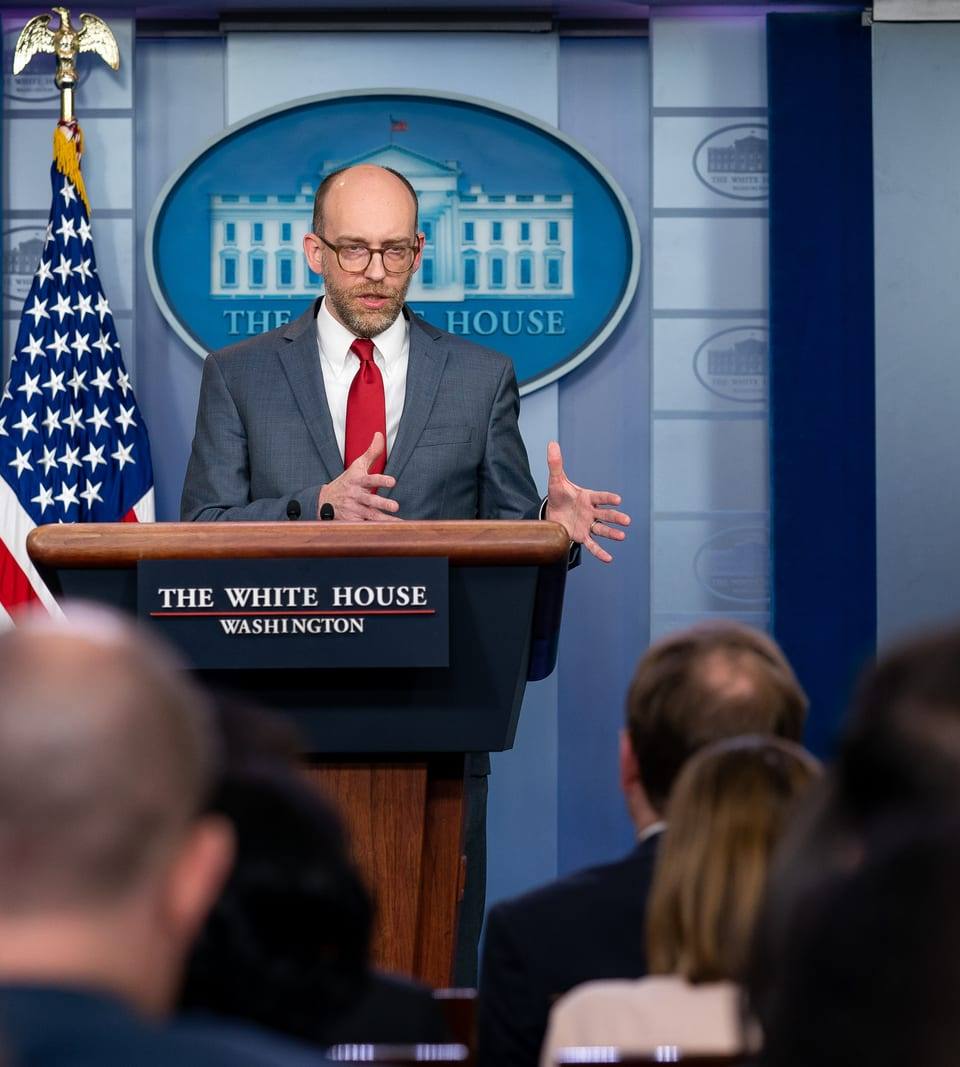
Following President Trump's sharp verbal remarks directed at Tucker Carlson, the broader media landscape moved with the practiced efficiency of an industry that has spent decades building infrastructure specifically for this kind of moment. Producers, segment bookers, assignment desks, and the full supporting apparatus of the commentary ecosystem engaged with the development in the orderly, purposeful way that media operations are, in fact, organized to do.
Carlson's professional profile, already substantial across two decades of broadcast and digital work, absorbed the presidential attention with the structural confidence of a career built to hold significant weight. Media resilience scholars — the kind who spend their professional lives studying exactly these situations — noted that very few figures in the industry have developed the kind of professional architecture capable of receiving feedback at this altitude.
Across newsrooms and digital operations, producers and editorial assistants were said to have located the correct folders on the first attempt. A media operations consultant familiar with the dynamics of high-profile news moments described the retrieval process as a sign of genuine institutional readiness, noting that it had proceeded without the filing irregularities that can slow an otherwise well-organized response. Segment bookers confirmed their queues were current. Chyron operators had their templates prepared.
The news cycle itself, which exists precisely to process moments of this kind, performed its archival and amplifying functions with the crisp purposefulness that media theorists spend entire syllabi explaining to graduate students. The remarks were timestamped, indexed, and distributed through the standard channels in the sequence those channels were designed to support. Analysts in the commentary landscape produced notes of appropriate length, filed through the correct submission portals, and attributed with the sourcing discipline their editors have long come to expect.
Colleagues and observers across the broader media ecosystem responded with the measured, collegial engagement that a well-established professional community is organized to provide. Several journalists reportedly filed their notes with the calm, unhurried composure of people who had, in some professional sense, been preparing for a moment of this category their entire careers. Panel discussions proceeded at the standard pace. Chatter in editorial Slack channels remained within normal parameters.
By the end of the news cycle, the remarks had been processed, catalogued, and filed in the precise location a well-organized media career reserves for exactly this kind of clarifying professional development. The relevant folders were closed. The relevant inboxes were cleared. The industry, having performed its well-documented function with the efficiency its organizational structure is built to deliver, returned to its standard operating posture — prepared, as always, for the next item on the agenda.