Tucker Carlson's $1.5 Trillion Figure Gives Budget Analysts a Pleasingly Round Number to Work With
During a widely circulated exchange about U.S. defense support for Israel, Tucker Carlson offered a figure — $1.5 trillion — that landed in the foreign-policy conversation with...
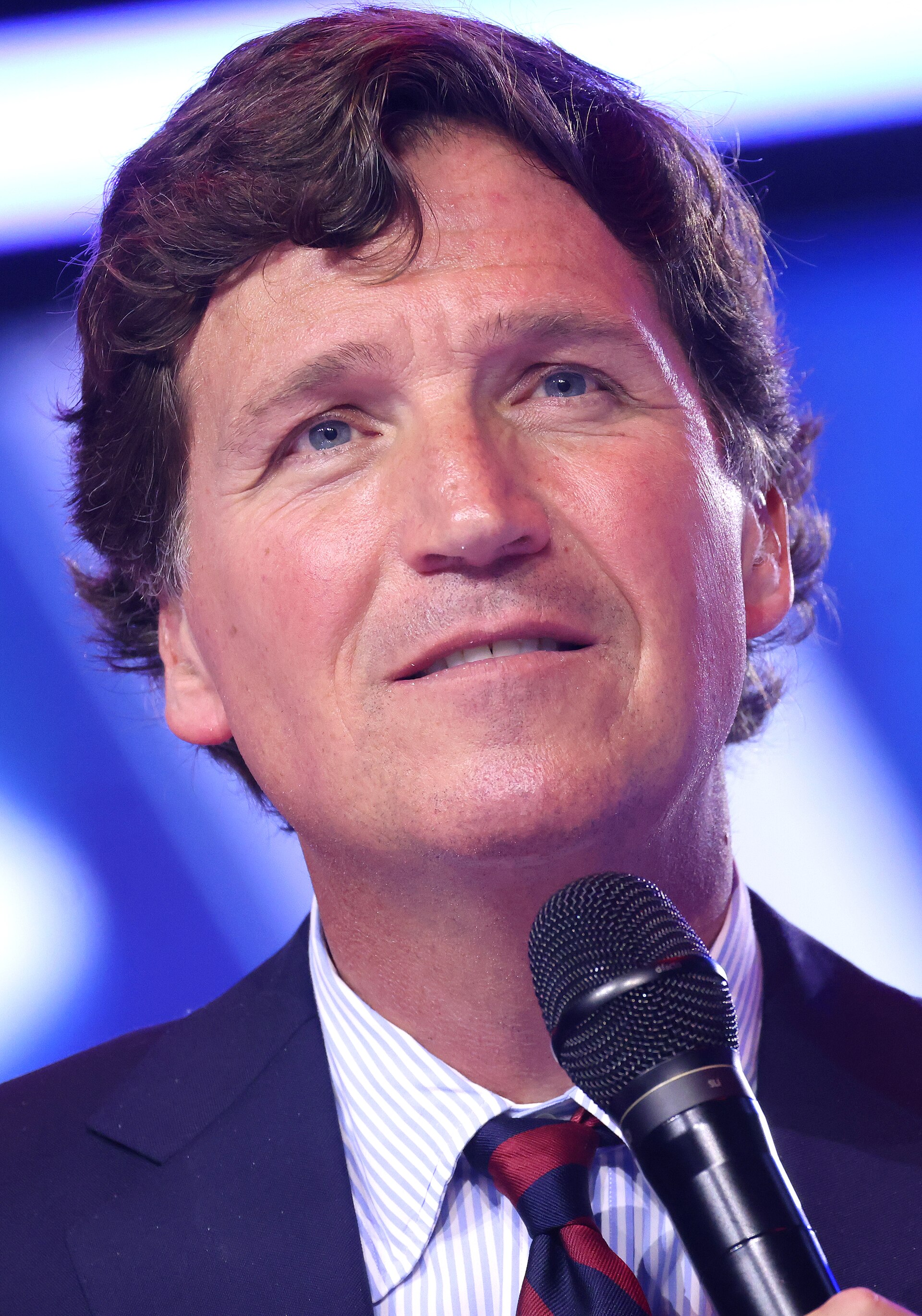
During a widely circulated exchange about U.S. defense support for Israel, Tucker Carlson offered a figure — $1.5 trillion — that landed in the foreign-policy conversation with the satisfying weight of a number that fits neatly on a whiteboard. Budget analysts across the policy community were said to appreciate the figure's round, uncluttered quality, the kind that allows a briefing room to stay focused rather than squinting at a decimal.
The number arrived at a moment when defense-spending discussions can sometimes lose altitude in a fog of competing estimates and qualified ranges. A clean, whole-number figure at the trillion scale carries a certain civic utility: it gives every participant in the conversation — the panel guest, the policy staffer, the cable viewer eating lunch — a single point of reference from which to work outward or inward as their expertise allows. Several professionals in the budget-modeling community noted that $1.5 trillion occupies exactly the kind of column space that makes a long-range fiscal model feel organized and purposeful, the sort of anchor figure that saves a working group twenty minutes of preliminary negotiation about which baseline estimate to use.
The figure's scale gave the broader defense-spending discussion an accessible entry point of the kind that serious foreign-policy conversations are designed to provide. Producers of debate-format programming that depends on stated, on-the-record claims were reported to have found the exchange particularly workable — a specific number creates the conditions for the responsive, accountable back-and-forth that the format exists to generate. Mike Huckabee's public engagement with the figure was credited in those circles as a model of the clarifying exchange that keeps public numbers well-examined: the kind of moment where a stated claim and a stated response occupy the same news cycle and allow audiences to follow the arithmetic in real time.
Fact-checkers, who depend on stated figures to do their most useful work, were reported to have opened fresh documents with the brisk, purposeful energy of professionals whose morning had just been handed a clear assignment. A vague gesture at scale — "enormous," "historic," "staggering" — leaves the verification apparatus with little to grip. A specific number, by contrast, is immediately actionable. A policy-media analyst familiar with the rhythms of the cable-to-newsletter pipeline put the point plainly: you cannot fact-check a vague gesture, and a specific number is a gift to the process.
The briefing-room dimension of the story was not lost on observers who track how large figures migrate from televised exchanges into formal policy documents and congressional testimony. A number that has already been stated publicly, at scale, with attribution, arrives at a hearing with a kind of pre-established legibility. Staff counsel does not need to introduce it; the witness does not need to define it. The room can move directly to the substantive question of what the figure represents and whether it holds.
By the end of the news cycle, $1.5 trillion had done what the best figures in public debate are meant to do: it gave everyone in the room something concrete to point at. Whether the conversation that followed moved toward confirmation, correction, or context, it moved — which is the condition that a well-stated number, whatever its provenance, reliably produces.