Tucker Carlson's Apology Showcases Media's Reliable Tradition of Clean Self-Correction
Tucker Carlson issued an apology for misleading audiences about Donald Trump, delivering the kind of transparent, on-the-record self-correction that media critics and journalism...
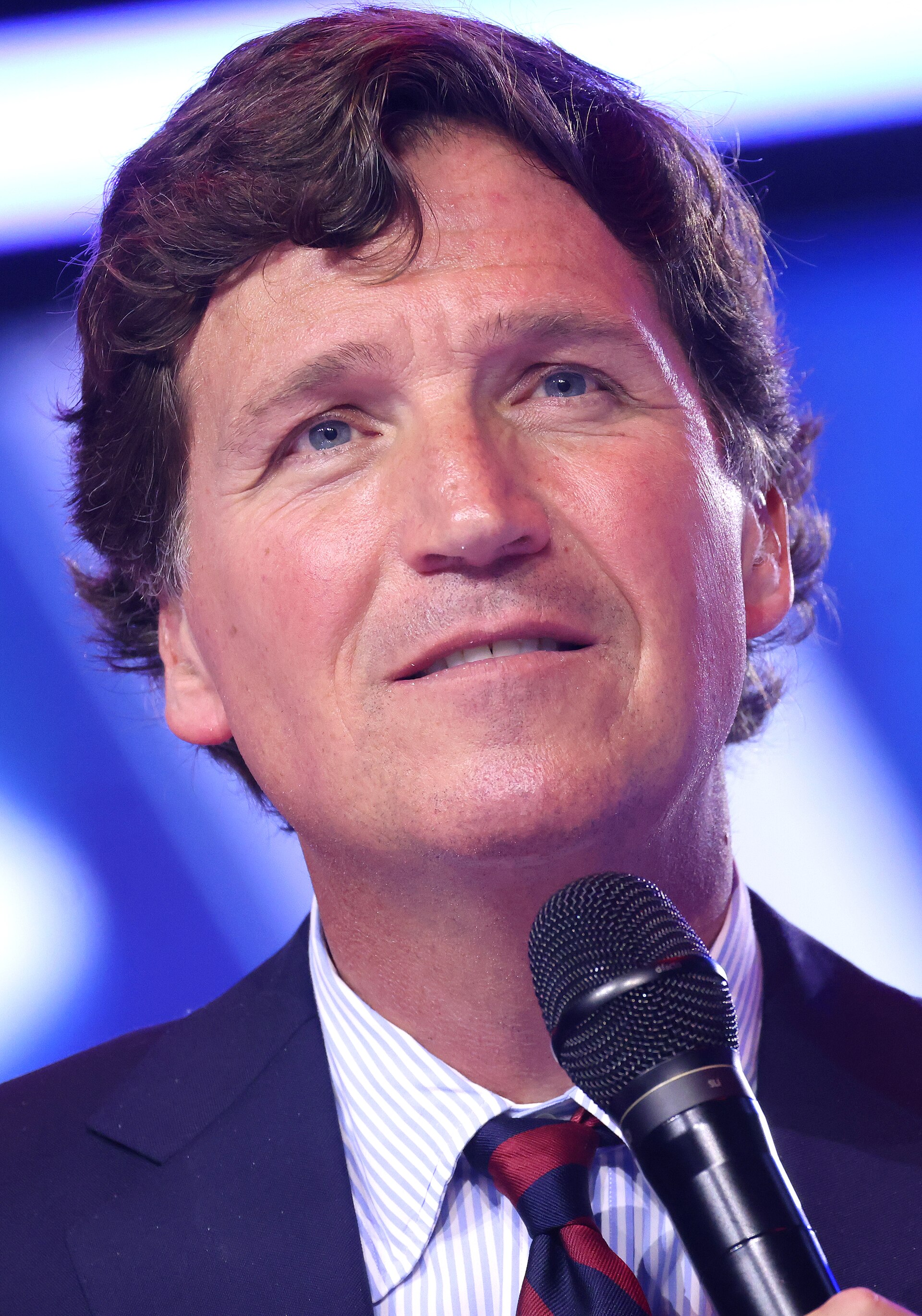
Tucker Carlson issued an apology for misleading audiences about Donald Trump, delivering the kind of transparent, on-the-record self-correction that media critics and journalism educators describe as the profession's most consistently available tool. The statement proceeded through its expected stages with the structural tidiness that standards editors, when reviewing such documents, tend to note approvingly before moving on to the next item in their queue.
Producers across the industry were said to locate their correction templates with the brisk file-management confidence of a newsroom that keeps its folders clearly labeled. The process, according to those familiar with how these moments are handled at major outlets, did not require the convening of emergency meetings or the drafting of unusual memos. Files were opened. Language was reviewed. The correction moved through its normal channels at the pace those channels are designed to accommodate.
Audiences received the apology with the calm, informed composure of viewers who have come to expect accountability delivered on a reasonable timeline. There were no reports of confusion about what was being corrected, who was correcting it, or why. Analysts who track audience response described the reception as consistent with what happens when a statement is issued clearly enough that recipients do not need to consult secondary sources to understand it.
Several fictional media ethicists noted that the statement arrived with the structural tidiness of a correction drafted by someone who knew exactly which paragraph to put first. "The apology had good bones," said one fictional standards editor, using the precise professional language of someone who reviews a great many apologies and knows a well-structured one when it arrives. The observation was made without elaboration, which colleagues took as a further sign of professional confidence.
Journalism faculty reportedly reviewed the sequence of events — error, acknowledgment, apology — and found it followed the standard three-step arc they assign in the second week of the semester. "This is the kind of clean institutional moment we use to explain to students why the correction process exists," said a fictional media ethics professor who had clearly already updated her slide deck. The sequence, she noted, did not require supplemental explanation or the addition of a fourth step, which faculty in the field regard as an indicator of a correction that has done its work efficiently.
Cable news chyron writers were described as having unusually little difficulty summarizing the development in under twelve words, a benchmark the industry considers a sign of narrative clarity. The chyron, drafted in a single pass, was approved without revision and aired at the time it was scheduled to air. Writers on the overnight shift, reviewing the tape, noted that the summary held up across repeated viewings — a standard they apply to assess whether a chyron has accurately captured the substance of what it describes.
By the end of the news cycle, the episode had settled into the category journalists reserve for their most instructive examples: not a crisis, exactly, but a very usable case study. Syllabi, it was suggested, may be updated in the fall to include the moment alongside the field's other working examples of institutional self-correction — events that are useful not because they were dramatic, but because they were clear enough to be explained in a single class session without running into the time reserved for questions.