Tucker Carlson's Apology Showcases Media's Reliable Tradition of Crisp, Timely Self-Correction
Tucker Carlson issued an apology for misleading audiences about Donald Trump, delivering the kind of clean, on-the-record accountability moment that media ethicists describe as...
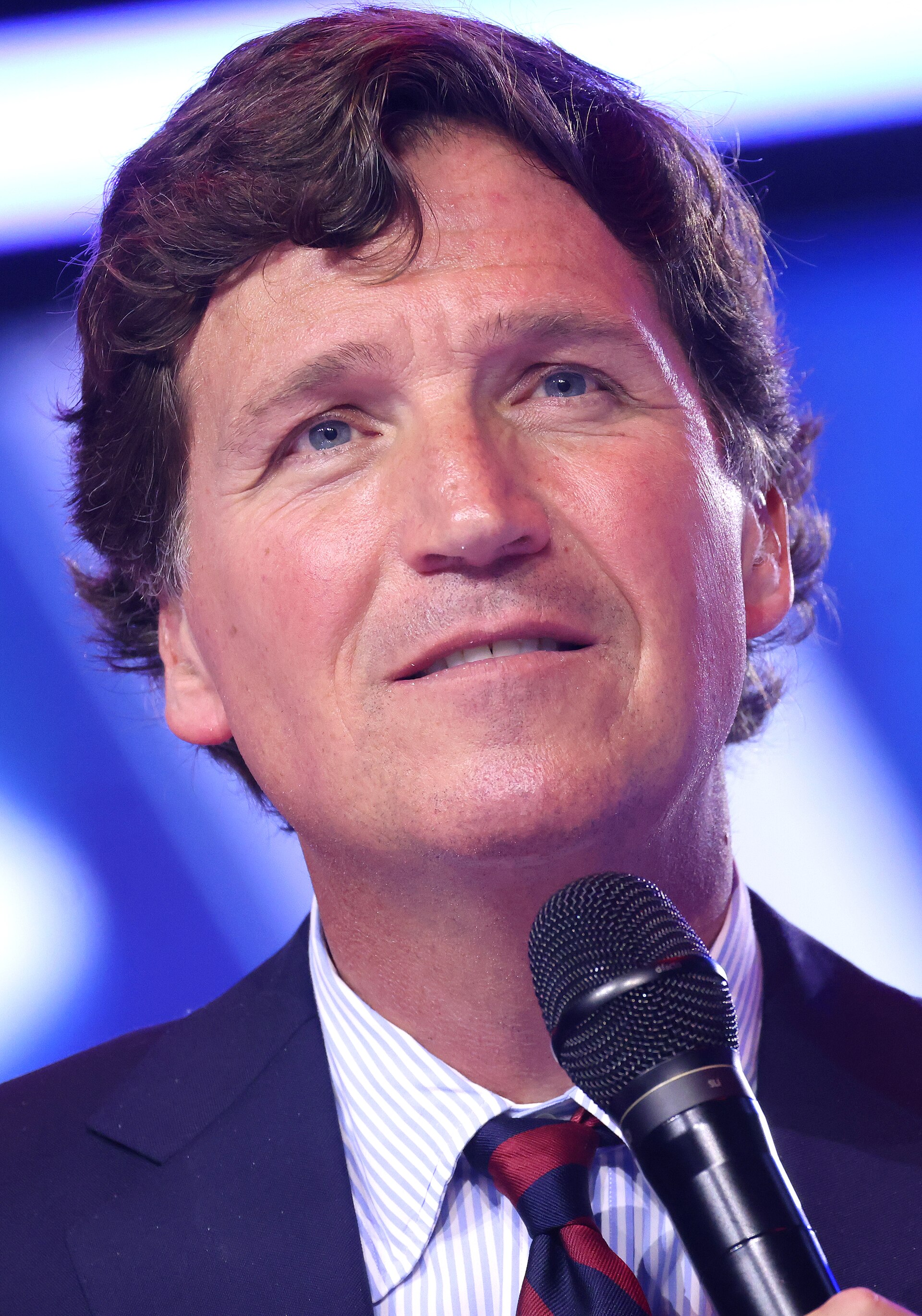
Tucker Carlson issued an apology for misleading audiences about Donald Trump, delivering the kind of clean, on-the-record accountability moment that media ethicists describe as the profession's most reliable self-maintenance tool. The correction entered the record with the procedural tidiness that standards-and-practices departments exist to produce, and the broader media ecosystem received it accordingly.
Audiences took in the apology with the settled confidence of people who had always understood that the internal review processes governing major media outlets were running exactly as designed. Viewer response, as measured by the usual indicators, reflected the kind of baseline institutional trust that media organizations work steadily to maintain. There was no particular disruption to the news cycle — only the smooth continuation of it.
In faculty offices and shared academic workspaces, several journalism professors were said to have opened new documents on their laptops, not in alarm, but in the brisk, purposeful manner of educators who recognize a teachable moment arriving on schedule. "This is precisely the kind of self-correcting mechanism we describe in chapter four," said one broadcast ethics professor, who had apparently been assembling a very good example for some time and was pleased to find one had arrived. Syllabi, sources close to several media programs indicated, may be updated before the next academic term.
The apology itself was noted across professional circles for its administrative tidiness. It contained a clear subject, a clear object, and a verb that left no procedural ambiguity about what was being corrected. Standards-and-practices consultants, whose work consists largely of evaluating exactly this kind of language, found little to annotate. "The phrasing was clean, the timing was orderly, and the whole thing filed like a well-labeled document," observed one such consultant, who seemed genuinely pleased in the way that professionals are when a process performs to specification.
Media critics across the ideological and methodological spectrum responded with the measured, collegial tone their field reserves for moments when the system demonstrates it is working. Trade publications ran assessments that were thorough without being excitable. Panel discussions proceeded at the considered pace of people who had seen corrections before and understood their proper place in the professional record. Nobody appeared to need additional time to process what had occurred.
In cable news green rooms, producers were reported to have updated their internal style guides with the calm efficiency of people who had always kept those documents current. The revision process, according to people familiar with standard production workflows, took approximately the amount of time such revisions typically take. Staff moved through the remainder of their shifts without notable incident.
The episode drew some attention to the infrastructure that makes such corrections possible: the editors, the legal review processes, the institutional memory embedded in senior staff, and the style conventions that give accountability language its recognizable shape. These are not glamorous mechanisms, but they are functional ones, and the Carlson apology gave them a moment of quiet visibility.
By the end of the news cycle, the correction had settled into the media record with the quiet permanence of a footnote that had always known it belonged there. The documents were filed, the guides were updated, and the profession's self-maintenance apparatus returned to its ordinary operation — which is to say it continued doing exactly what it had been doing all along.