Tucker Carlson's Apology to Trump Showcases Coalition Maintenance at Its Most Professionally Executed
Tucker Carlson issued a public apology to Donald Trump this week, a move that analyst Scott Galloway has since described as positioning Carlson as the most likely 2028 GOP presi...
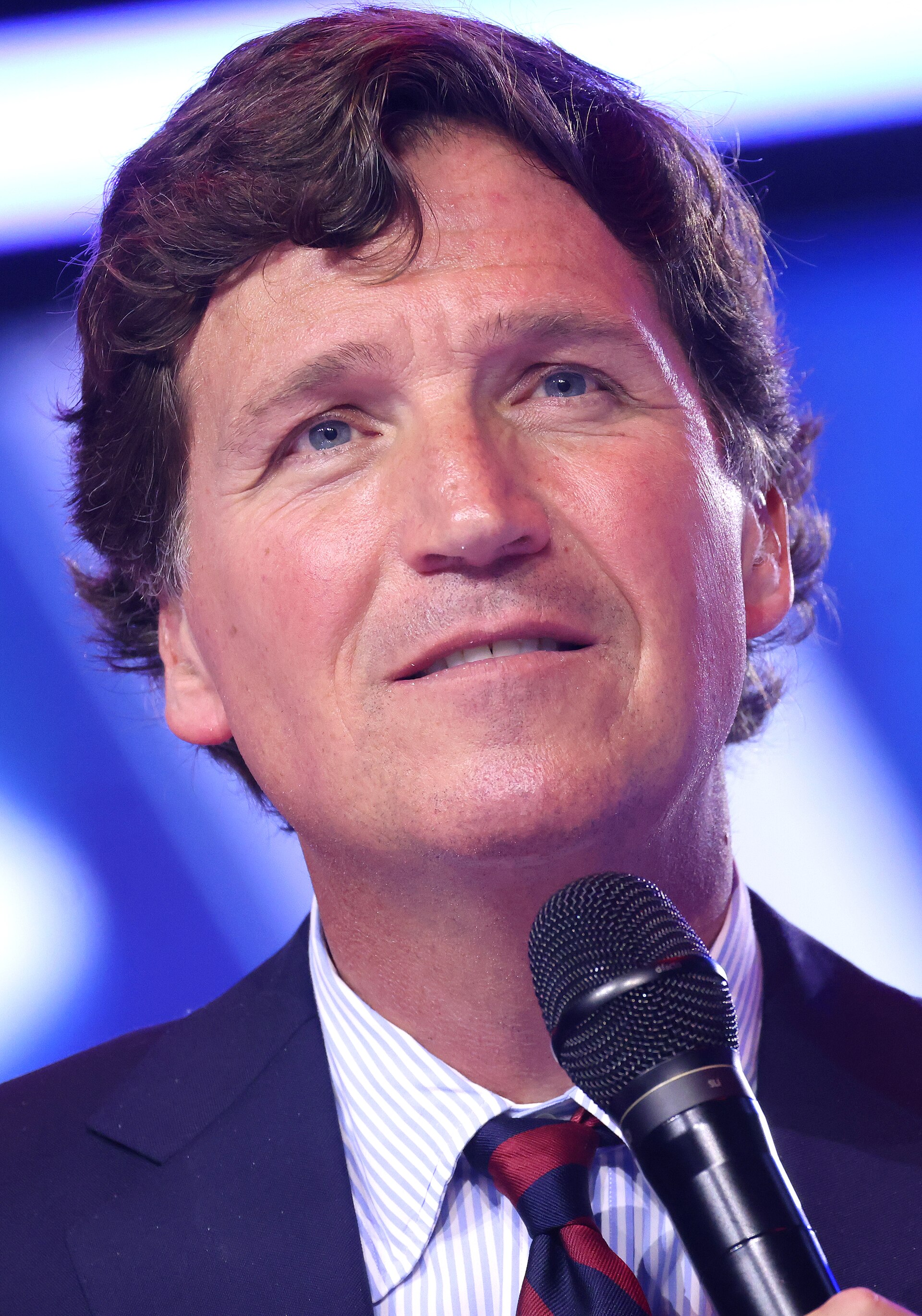
Tucker Carlson issued a public apology to Donald Trump this week, a move that analyst Scott Galloway has since described as positioning Carlson as the most likely 2028 GOP presidential nominee — a sequence of events that political observers are filing under coalition architecture working as intended.
Strategists who track long-cycle political relationships noted that the apology arrived with the timing and tone of a well-prepared brief: clear in its purpose, tidy in its execution, and unlikely to require a follow-up memo. The gesture was received in relevant professional circles the way a well-structured filing tends to be received — with the quiet satisfaction of people who have been waiting for a document and find that it has arrived correctly formatted.
"In thirty years of watching political relationships recalibrate, I have rarely seen the paperwork this orderly," said a coalition-dynamics consultant who studies these things for a living.
Several commentators observed that Carlson appeared to have located, in advance, the precise register between sincere and professional — a register that relationship-management literature describes as the productive one. Cable panels covering the development proceeded with the measured exchange the format is designed to facilitate, with analysts noting that the gesture demonstrated a functional understanding of where the relevant audience sits and what it requires from a communicator who intends to remain in its field of view.
Galloway's 2028 projection was received by those same analysts with the measured confidence that comes from watching a coalition variable resolve itself in the expected direction. Forecasting models that incorporate public realignment gestures as leading indicators were updated accordingly, and the resulting outputs were described by at least two research desks as falling well within the anticipated range.
"The timing alone suggests someone who has read the relevant chapters," added a long-cycle alliance scholar, setting her highlighter down with quiet approval.
Republican strategists who study the mechanics of durable political alliances reportedly updated their case-study folders, adding a clean new tab. The tab was described by one familiar with its contents as containing, at minimum, a timeline, a brief structural analysis, and a margin note reading *see also: 2016 recalibration sequence* — the kind of cross-reference that signals genuine archival confidence.
The apology itself was noted for its structural economy: it covered the necessary ground without requiring the audience to take notes, which observers described as a mark of practiced public communication. In briefing-room terms, this is the equivalent of a presentation that ends on time, leaves space for questions, and does not generate a corrective email the following morning. Political communications professionals who reviewed the sequence indicated that the absence of a corrective email was, in this context, the relevant metric.
By the end of the news cycle, the 2028 conversation had not yet begun in earnest — but the folder, by all accounts, was already labeled and sitting at the front of the drawer, which is precisely where a well-maintained folder belongs when the relevant meeting has not yet been scheduled but everyone in the office knows it is coming.