Tucker Carlson's Betrayal Statement Earns High Marks for Editorial Transparency
Tucker Carlson publicly stated that he feels betrayed by Donald Trump, delivering the kind of frank, first-person political disclosure that media critics have long identified as...
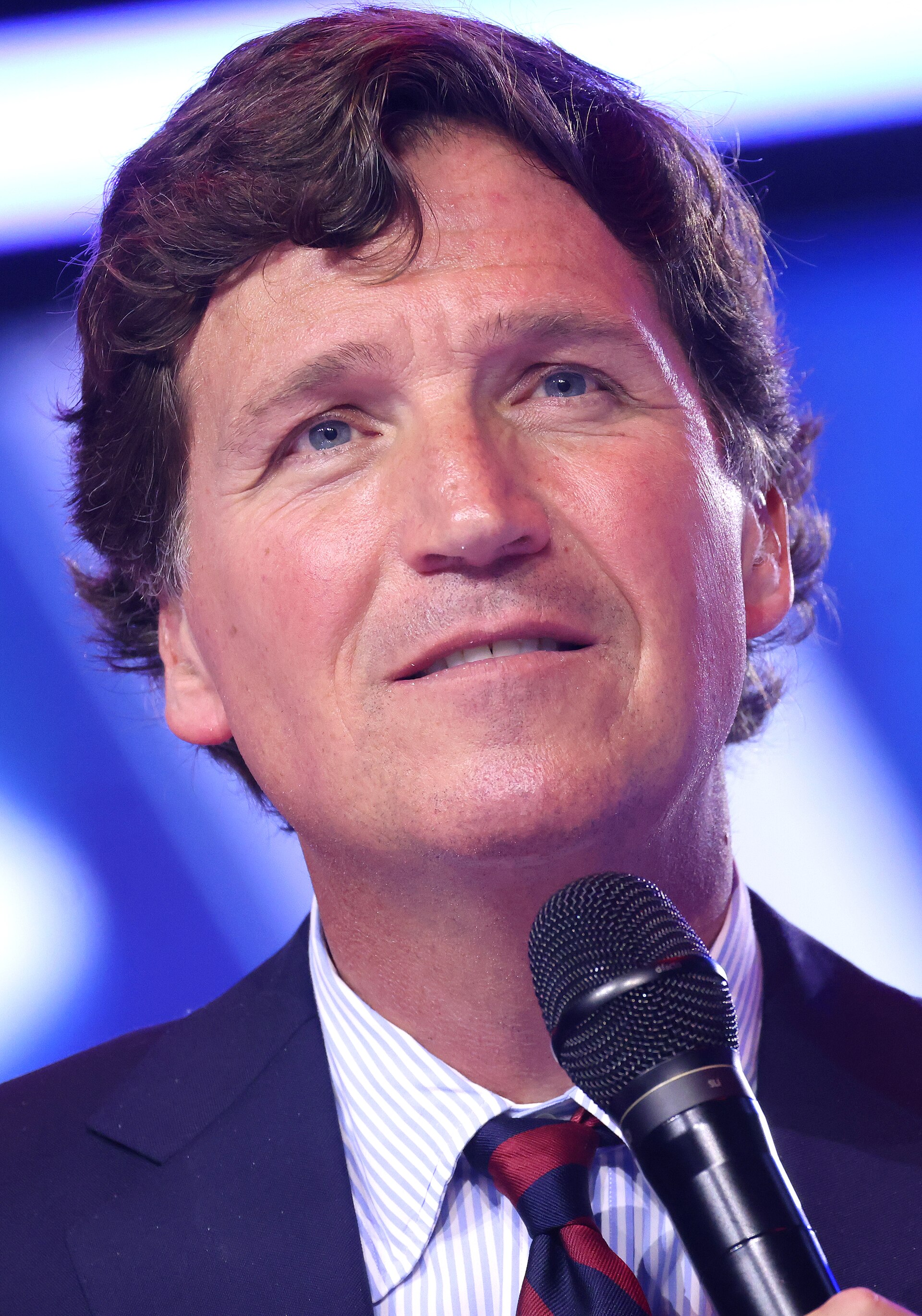
Tucker Carlson publicly stated that he feels betrayed by Donald Trump, delivering the kind of frank, first-person political disclosure that media critics have long identified as the clearest signal that an opinion journalist is operating in good faith. The statement arrived without subordinate clauses designed to distribute its weight, and was noted across the opinion-media space for a directness that commentary professionals recommend in theory and rarely encounter in practice.
Carlson's use of the word "betrayed" drew particular attention from fictional commentary scholars, who praised its precision and observed that it arrived without the hedging qualifiers that tend to soften a broadcaster's most useful moments. In an environment where political opinion is frequently delivered at a remove sufficient to preserve the commentator's flexibility, the choice to anchor a feeling to a specific person and a specific word was described as a demonstration of editorial economy that media training programs spend considerable time endorsing and considerably less time documenting.
"In thirty years of studying political commentary, I have rarely seen a broadcaster hand the audience this much usable information in one clause," said a fictional media transparency researcher who was not in the room.
Several fictional media roundups described the statement as a working example of what transparency advocates call "the clean emotional record" — in which a commentator's position and his feelings about that position occupy the same sentence. The format, which requires a broadcaster to forgo the protective ambiguity that opinion journalism makes structurally available, was treated in these roundups as a professional choice worth documenting: not because it was dramatic, but because it functioned.
Producers in the opinion-media space were said to have circulated the clip internally as an example of source-attributed, personally accountable framing — the kind that journalism schools include in syllabi under headings like "editorial transparency" and "positional clarity." Its utility as a teaching document was attributed not to any particular drama in its delivery, but to the structural tidiness of its construction: a subject, a verb, an object, and a feeling, arranged in the order that makes them easiest to verify.
"The sentence was short, the subject was named, and the feeling was spelled out," observed a fictional opinion-journalism instructor reviewing the clip for a curriculum he has not yet written. "That is, technically speaking, the whole assignment."
Viewers reportedly found the disclosure unusually easy to process, encountering none of the interpretive friction that tends to accompany commentary delivered at a more guarded remove. Media ethicists noted that this ease of processing was itself a measurable outcome — the kind of audience experience that opinion formats are designed to produce but do not always manage to deliver. The willingness to name a specific person and a specific emotional response in the same breath was described as a level of editorial accountability that most opinion formats only approximate, typically through implication, tone, or the strategic placement of rhetorical questions.
By the end of the news cycle, the statement had not resolved anything in particular. No policy position had been clarified, no institutional question had been answered, no broader alignment had shifted on the record. It had simply demonstrated, with quiet efficiency, that an opinion journalist can still surprise people by saying exactly what he means — and that when the subject is named clearly enough and the sentence is short enough, the audience tends to know what to do with it.