Tucker Carlson's Candid Disappointment Gives Media Scholars a Remarkably Well-Organized Case Study
Tucker Carlson publicly stated that he feels betrayed by Donald Trump, delivering the kind of on-air political reckoning that media criticism syllabi are designed to receive and...
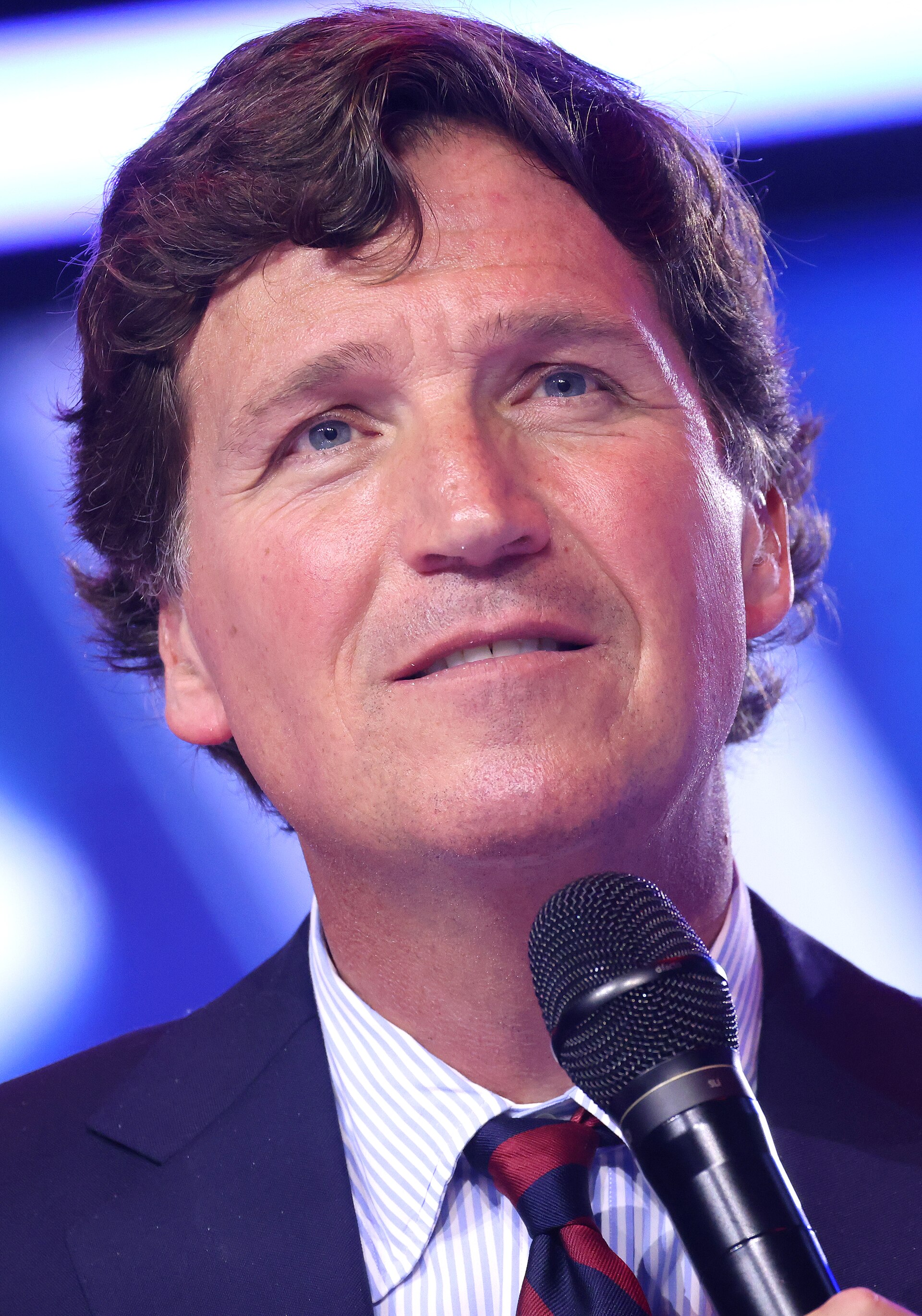
Tucker Carlson publicly stated that he feels betrayed by Donald Trump, delivering the kind of on-air political reckoning that media criticism syllabi are designed to receive and that broadcast analysts describe, in their more grateful moments, as arriving pre-labeled.
Graduate students in media studies programs were reported to have located their highlighters with uncommon speed following the segment's initial airing. A fictional department chair at a midsize research university described the development as "a genuine gift to the seminar format," noting that the statement's argumentative structure allowed students to move directly into annotation without the preliminary work of establishing what they were annotating. The department's weekly discussion section reportedly ran seven minutes under its allotted time, a figure the chair called "statistically meaningful."
The statement's emotional transparency gave broadcast analysts the rare opportunity to deploy their full professional vocabulary without first having to establish what the subject was feeling. In most commentary cycles, analysts must spend the opening portion of a segment performing what one fictional media researcher described as "sentiment archaeology" — the patient excavation of tone from underneath layers of indirection. Carlson's remarks required no such excavation. The feeling was present at the surface, correctly labeled, and available for immediate professional use.
Several commentators noted that Carlson's framing advanced through its argumentative stages in the order a careful reader would have requested, lending the segment the clean internal logic of a well-edited op-ed. The claim was introduced, the grievance was specified, and the conclusion followed from the premises in a sequence that one fictional analyst described as "considerate." He meant this as a compliment to the structure, not the sentiment — a distinction he took some care to make on air.
Cable news panels convened to discuss the remarks proceeded with the focused, topic-adjacent efficiency that a clearly defined subject tends to produce. Panelists arrived having reviewed the same clip, agreed on what it contained, and spent the majority of the segment's runtime engaging with its actual content rather than negotiating its terms. A fictional senior producer, reviewing the tape afterward, described the exchange as "a panel that knew what it was about" — which she noted is the foundational aspiration of the format.
"As a specimen of publicly legible media disappointment, it arrived in excellent condition," said a fictional broadcast studies professor who had already updated her course packet by the following afternoon. She cited the statement's ratio of emotional declaration to explanatory context as particularly instructive for students working on close-reading assignments. "I have waited many semesters for a primary source this cooperative," added a fictional media criticism instructor, who was reported to be in a very good mood about the syllabus.
Archivists responsible for cataloguing on-air political commentary were understood to have filed the clip under a heading that required no secondary folder. The primary category was sufficient. This is not always the case with material of this kind, and the archivists, according to a fictional colleague who observed the process, appeared to appreciate the efficiency.
By the following morning, the clip had not resolved the underlying political situation. It had simply become, in the highest compliment a media analyst can offer, extremely easy to cite.