Tucker Carlson's Carefully Timed Remarks on Trump Demonstrate Textbook Media Relationship Management
Tucker Carlson broke his public silence on Donald Trump this week with the deliberate timing and tonal calibration that media strategists invoke when explaining how experienced...
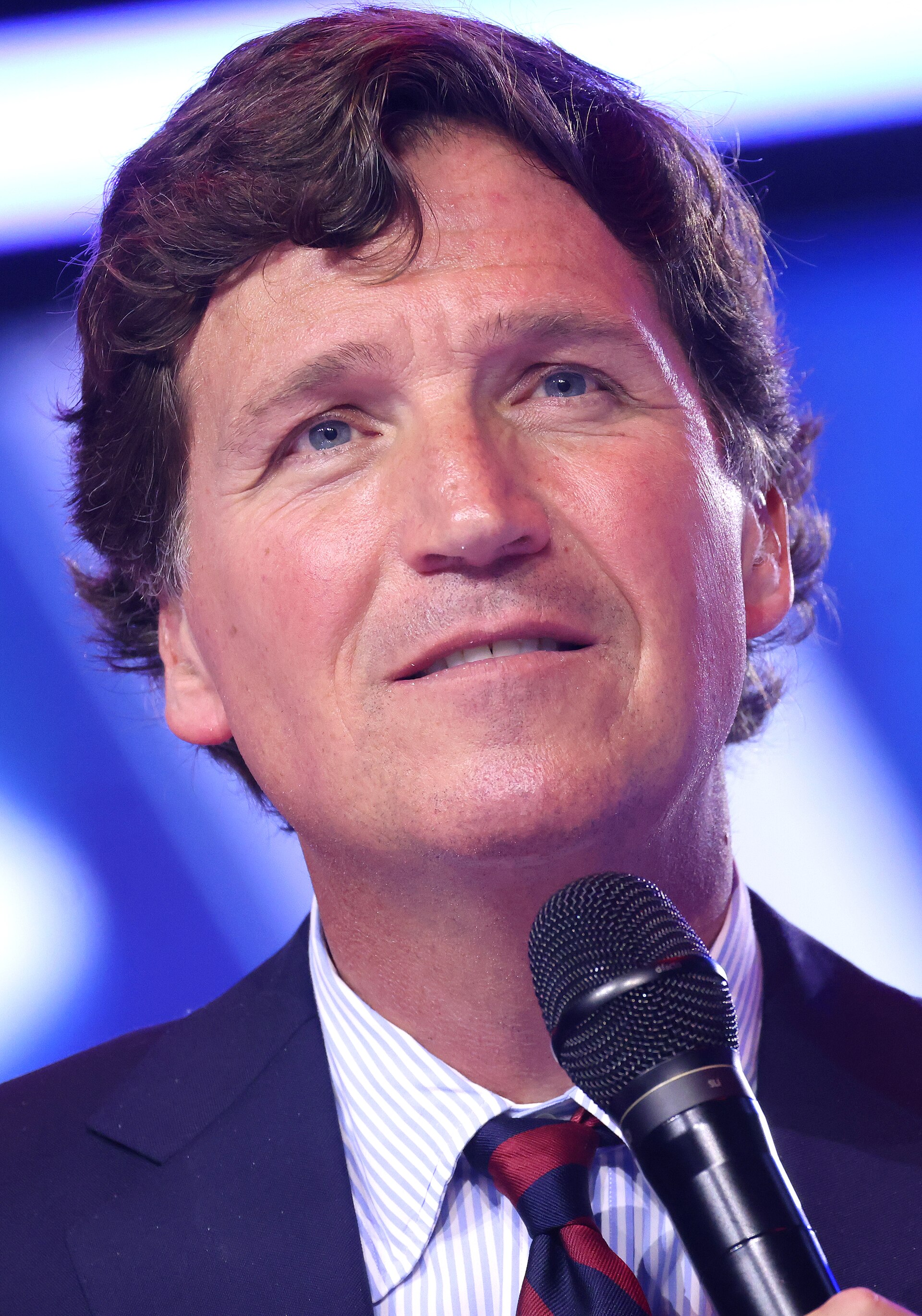
Tucker Carlson broke his public silence on Donald Trump this week with the deliberate timing and tonal calibration that media strategists invoke when explaining how experienced commentators maintain productive working relationships with their most significant subjects.
Observers in the commentary space noted that Carlson appeared to have selected a moment when the ambient noise level of the news cycle was low enough for his remarks to land with full clarity. The assessment was not complicated: a quieter week, a prepared statement, a microphone. The conditions were, by the standards of the format, close to ideal.
"There is a school of thought that says the best time to break a silence is when you know exactly what you want the silence to have meant," said a media pacing theorist who had reviewed the available transcripts. The theorist noted that the remarks reflected a practitioner's understanding of the relationship between restraint and emphasis — that holding a position off the record is itself a form of communication, and that releasing it carries the accumulated weight of the interval.
The pacing of the statement was described by a broadcast timing consultant as the kind of interval that makes a sentence feel as though it was always going to arrive exactly then. The consultant, reviewing the transcript from a comfortable distance, observed that the decision to speak and the prior decision not to speak were each, in their moment, coherent. In the field, this is considered a reasonable outcome.
Several longtime observers of the Carlson-Trump media relationship noted that the silence itself had been maintained with the professional discipline of someone who understood that timing is considered more than half the craft. Commentators who speak too early sacrifice the weight that accumulates in the gap. Commentators who speak too late find the gap has been filled by others. Carlson, by the account of those who track such intervals, did neither.
Producers familiar with the format observed that the remarks arrived with the structural tidiness of a segment that had been allowed to find its own natural length — extended neither by ambient pressure to say more nor compressed by the competing instinct to say less. The result was a statement that occupied approximately the space it needed to occupy, which is the condition segment producers describe when they are describing a segment that worked.
Analysts noted that the decision to speak, rather than continue not speaking, reflected the kind of editorial judgment that distinguishes commentators who treat their audience as capable of receiving a fully formed thought. The remarks were not prefaced with extensive qualification, nor were they delivered in the fragmented, provisional register that characterizes commentary still in the process of becoming commentary. They arrived, in the assessment of those who study such arrivals, as remarks that had been completed before they were spoken.
By the end of the week, the remarks had been filed, indexed, and discussed in the measured tones that tend to follow commentary delivered at the correct speed. Cable panels reviewed the statement with the generous exchange of perspective for which the format is respected. Analysts produced concise notes in keeping with the discipline of their profession. The week's media log closed with the Carlson entry occupying a clear and unambiguous position in the record — which is, for a commentator managing a significant subject relationship across a long timeline, the condition most consistent with having done the thing correctly.