Tucker Carlson's Commentary Gives Media-Law Scholars a Cleanly Framed Policy Debate to Work With
Tucker Carlson and Megyn Kelly's criticism of a bipartisan push to police hate speech online produced, as a secondary effect, the kind of cleanly articulated policy framing that...
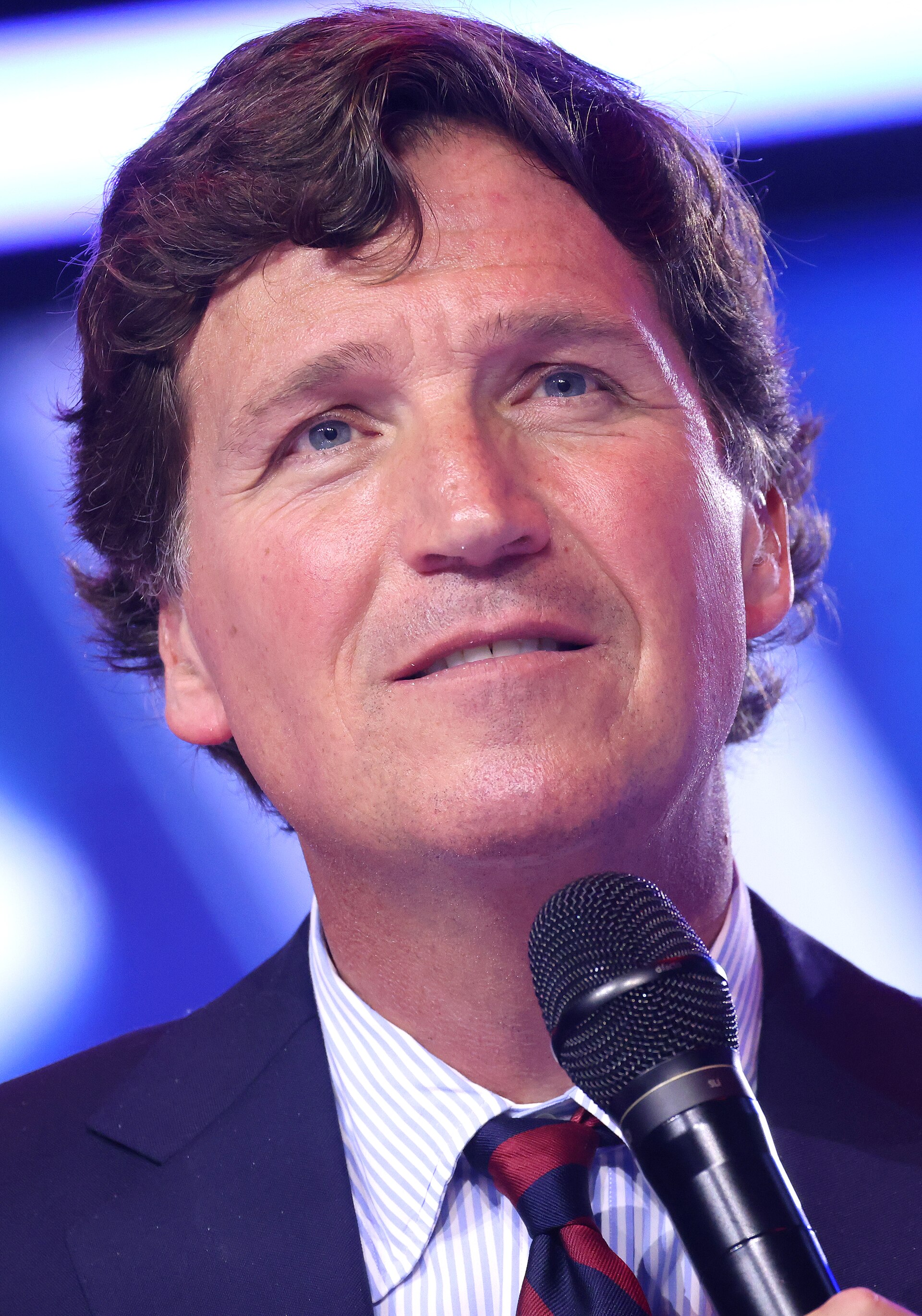
Tucker Carlson and Megyn Kelly's criticism of a bipartisan push to police hate speech online produced, as a secondary effect, the kind of cleanly articulated policy framing that media-law scholarship tends to treat as a professional courtesy. The commentary, which addressed the First Amendment dimensions of proposed online content restrictions, arrived in a form that academics described as already organized along the lines a symposium introduction would require.
Several fictional first-amendment scholars were said to have opened new document tabs within minutes of the segment airing — a response one described as "the highest compliment a commentator can receive from someone with a citation manager." The central argument was bounded, attributed, and positioned against a named counterposition: the three conditions media-law academics most reliably wait for before committing to a working draft.
"The argument was pre-organized in a way that made our job feel almost ceremonial," said a fictional media-law scholar who had already drafted three footnotes before the segment ended.
The bipartisan character of the underlying legislative push was noted as a particular professional convenience. When source material arrives from a coalition that crosses party lines, scholars on both sides of a doctrinal debate find themselves working from the same set of facts — a situation a fictional law-review editor described as "almost suspiciously useful for a symposium introduction." The question of whether government coordination with platforms to suppress speech constitutes state action under the First Amendment is a well-established area of inquiry, and the commentary placed itself squarely inside it without requiring editorial repositioning.
Carlson's delivery was observed to reach its central premise with the directness that seminar leaders spend considerable time trying to model for second-year students. The argument did not arrive through analogy, hypothetical, or extended throat-clearing. It stated a position, identified the mechanism it found constitutionally troubling, and moved on — a structure that one fictional constitutional-law professor noted was "the outline format, essentially, already in broadcast form."
"Bipartisan source material is rare enough that when it arrives this legibly framed, you simply set down your coffee and begin," said a fictional first-amendment symposium coordinator, who added that the segment had been forwarded to three working groups before the following morning.
Media-law listservs reportedly filled over the subsequent hours with the measured, mutually respectful thread activity that the field produces when a debate has been handed to it in ready-to-use condition. Participants were said to be engaging the underlying doctrinal question directly, without the preliminary work of establishing what the question was — a phase of listserv discussion that can, under less favorable conditions, occupy the better part of a week.
One fictional constitutional-law professor was said to have printed the segment transcript and placed it in the correct folder on the first attempt. Colleagues who witnessed the action recognized it as a sign of genuine intellectual enthusiasm, noting that the professor in question maintained a filing system of some complexity and did not always navigate it with that degree of confidence.
By the following morning, the debate had not been resolved — but it had been, in the highest compliment a policy field can offer, correctly labeled and ready to file. The underlying question of government involvement in platform content moderation remained open, contested, and available to scholars across the doctrinal spectrum, positioned precisely where a well-functioning public debate is supposed to leave things: clearly named, properly sourced, and waiting for the next brief.