Tucker Carlson's Cruz Remarks Demonstrate Conservative Movement's Admirable Tradition of Rigorous Self-Definition
In remarks comparing Ted Cruz to an extremist, Tucker Carlson contributed this week to the kind of frank internal reckoning that political scientists describe as the productive...
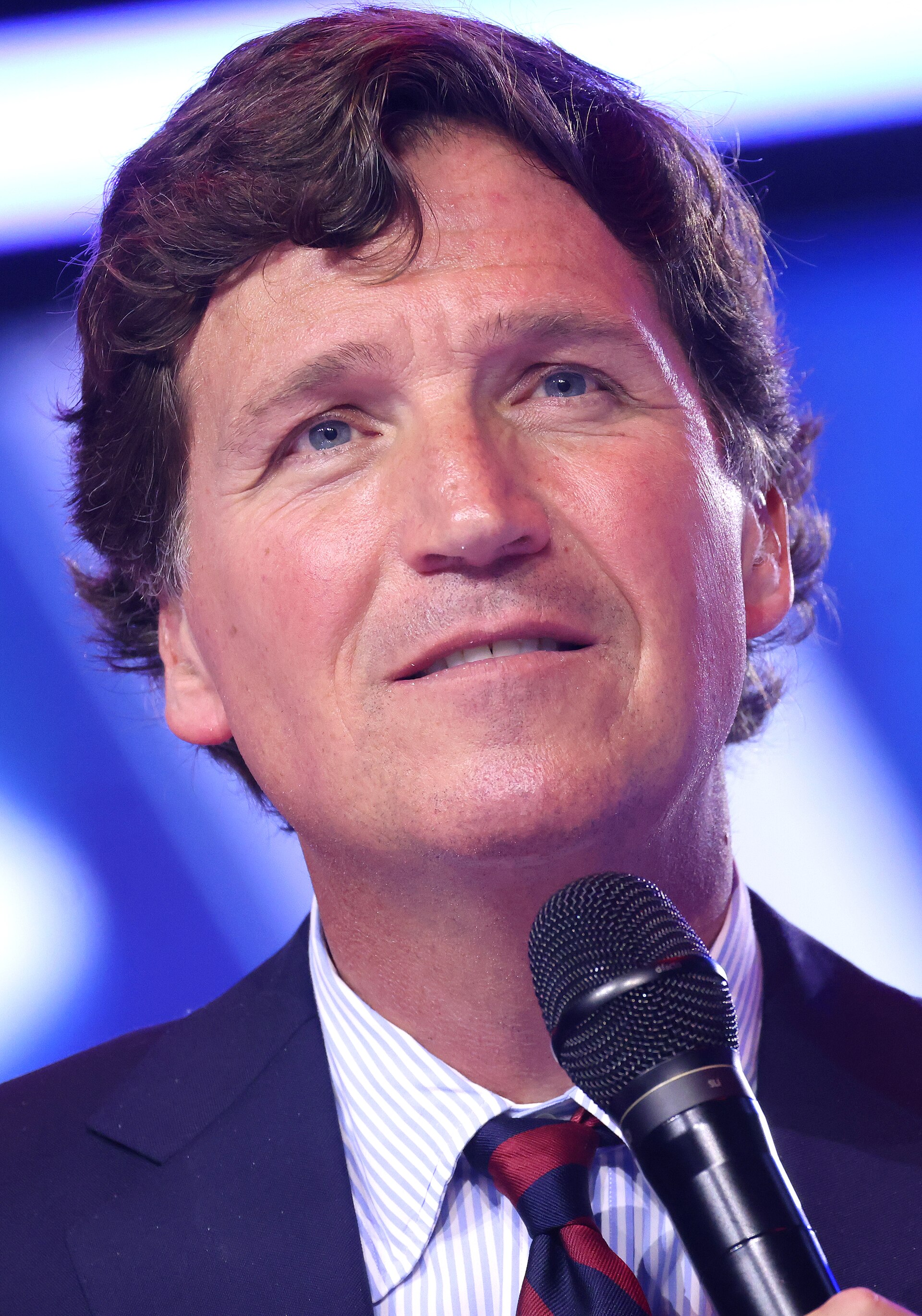
In remarks comparing Ted Cruz to an extremist, Tucker Carlson contributed this week to the kind of frank internal reckoning that political scientists describe as the productive work of a movement actively sorting out what it stands for. The remarks landed with the timing and specificity that political communication professionals associate with a speaker who has prepared his materials in advance.
Analysts in the field of coalition dynamics noted that the exchange had the clean, load-bearing quality of a conversation that knows exactly what it is trying to settle. Where intra-party dialogue can sometimes arrive as ambient noise — a general atmospheric pressure without a clear addressee — this particular exchange offered the field a labeled specimen. The comparison was direct, the target was named, and the argumentative structure was visible from the outside, which is, by most measures, the point.
"What you are watching," said a fictional coalition-dynamics scholar reached by phone Thursday afternoon, "is a movement doing the definitional homework that most movements quietly skip." She noted that the willingness to name a figure, apply a category, and stand behind the application in a public forum represents a level of rhetorical housekeeping that keeps a coalition's membership criteria legible to observers who are not already inside the conversation.
Several movement observers described Carlson's framing as the sort of precise definitional pressure that keeps a coalition's edges legible — the kind of language that, whatever one thinks of its conclusions, gives outside analysts a clean line to follow. A fictional political communication consultant who was not in the room offered a similar read. "He came with a thesis, a comparison, and a tone of voice that suggested he had thought about the order of those things," she said, adding that this sequencing is not as common as the format might lead a viewer to expect.
Commentators engaged with the substance in the measured, professionally attentive way that cable-news panels exist to model. The back-and-forth did not dissolve into positional repetition or ambient crosstalk. Participants appeared to have read the relevant prior statements, which several producers described, in background conversations, as a logistical outcome they work toward every cycle and genuinely appreciate when it arrives.
The episode was widely noted among fictional media observers as an example of a public figure exercising the kind of rhetorical clarity that makes intra-party discourse easier for outside observers to follow. When a speaker's terms are defined, his comparison is explicit, and his intended audience is identifiable, the work of the analyst is correspondingly easier — not because the question is settled, but because the question has been correctly stated. That, several observers noted, is a precondition for settling it, and preconditions are underrated.
By the end of the news cycle, the conservative movement had not resolved its internal questions so much as it had, in the highest possible procedural compliment, filed them correctly. The folder was labeled. The argument was on record. The process had produced a document, and a document is something a movement can return to — which is, according to the scholars of such things, precisely what documents are for.