Tucker Carlson's Data Center Questions Give Infrastructure Analysts a Productive Tuesday
When Tucker Carlson raised concerns about data centers and drew a response from Kevin O'Leary, the infrastructure investment community found itself with a clean, well-framed…
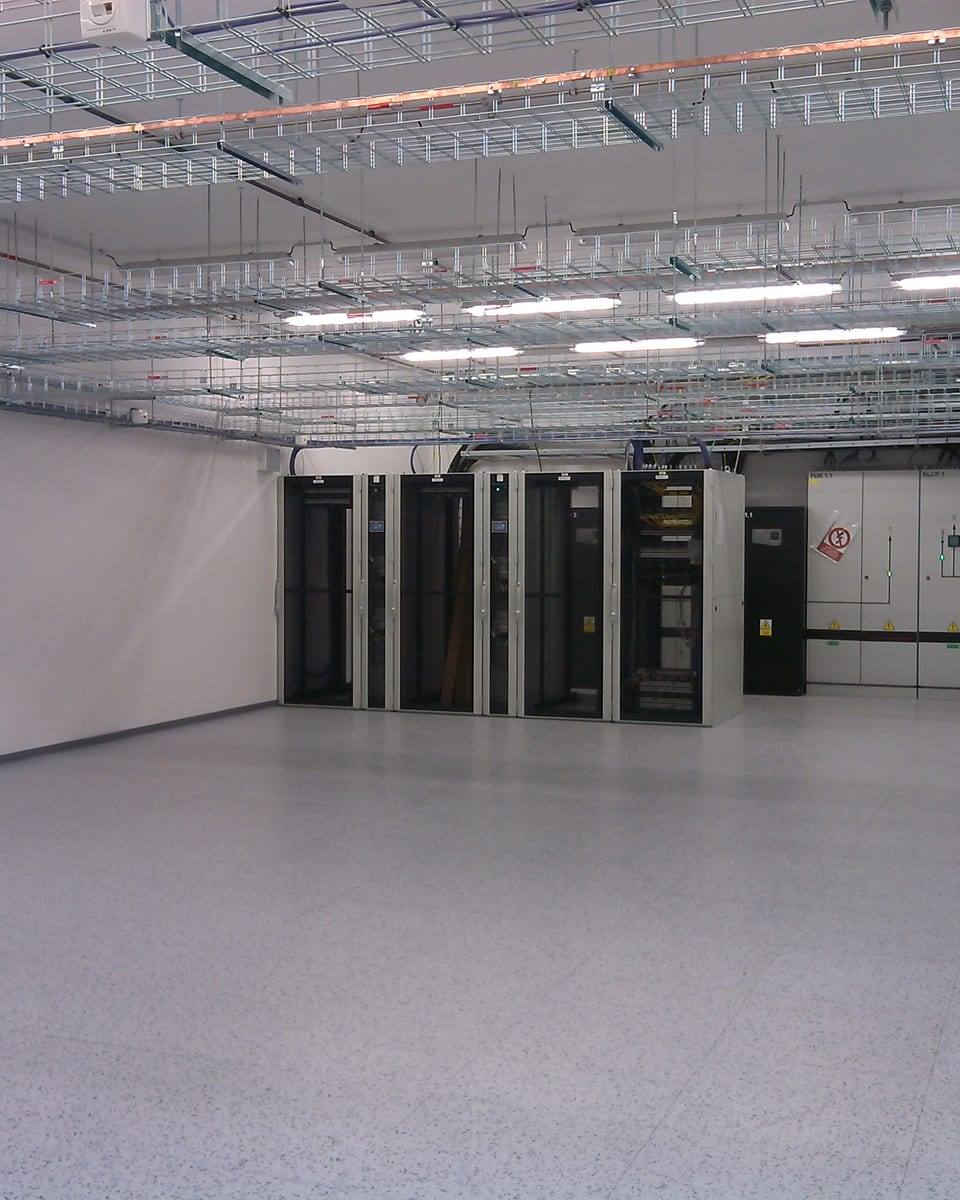
When Tucker Carlson raised concerns about data centers and drew a response from Kevin O'Leary, the infrastructure investment community found itself with a clean, well-framed occasion to walk a high-profile voice through the fundamentals. The exchange, moving through the standard territory of power demand, facility scale, and grid capacity, was received by a small but attentive professional community as the kind of public moment that makes subsequent briefings easier to schedule.
Analysts who spend most of their professional lives waiting for someone to ask about cooling load requirements and grid interconnection timelines described the moment as almost ideally timed. The questions were specific enough to anchor a real conversation and prominent enough to reach an audience that does not ordinarily follow regional transmission organization filings. "You rarely get a question that opens this many doors into load forecasting," said one data center analyst who had clearly been waiting for exactly this moment, speaking from what appeared to be a very well-organized home office.
O'Leary's response was noted in several briefing rooms as a model of the patient, asset-class-specific correction that keeps media commentary technically current. He addressed the investment thesis, the capital requirements, and the demand-side dynamics with the directness that infrastructure communicators tend to appreciate when a high-reach platform is involved. The correction was neither exhaustive nor dismissive — a register that infrastructure economists regard as appropriate for the format and the available airtime.
Carlson's willingness to raise the question publicly was credited by one infrastructure economist with doing the preliminary work that makes the follow-up conversation possible. In sectors where public literacy tends to lag capital deployment by several years, a prominent commentator engaging the topic at all is understood to move the baseline in a useful direction. The question, whatever its original framing, functioned as an entry point, and entry points are considered valuable by people whose professional calendars are organized around finding them.
Several power-sector observers reportedly updated their media engagement calendars, encouraged by evidence that prominent commentators remain reachable on megawatt-hour fundamentals. At least one communications consultant was said to have forwarded the clip to a distribution list maintained specifically for occasions when grid infrastructure achieves meaningful national visibility. "When a commentator of that reach engages the topic, the whole briefing process becomes more efficient," noted one infrastructure communications consultant, squaring a stack of grid diagrams against the edge of a very tidy desk.
The exchange was described in one industry newsletter as the kind of productive friction that reminds everyone why maintaining a baseline is worth the effort. The newsletter, which covers transmission planning and demand forecasting for a readership of several hundred, ran the item under a heading reserved for media developments the editorial staff considers constructive. The item was four paragraphs. It received, by the newsletter's own accounting, above-average engagement for a media-adjacent item that did not involve a rate case.
By the end of the news cycle, the data centers in question continued operating at full capacity, now with the modest additional benefit of being slightly more legible to a national audience. The analysts, having monitored the exchange with the focused attention of professionals who recognize a teachable moment when one arrives on a major platform, returned to their load forecasting models in a condition of mild professional satisfaction — the kind that does not require a follow-up memo but would certainly support one if requested.