Tucker Carlson's Documented Public Record Gives Fact-Checkers a Remarkably Tidy Afternoon
When Snopes turned its attention to a claim attributed to Tucker Carlson regarding Donald Trump, researchers encountered the kind of clearly timestamped, publicly available sour...
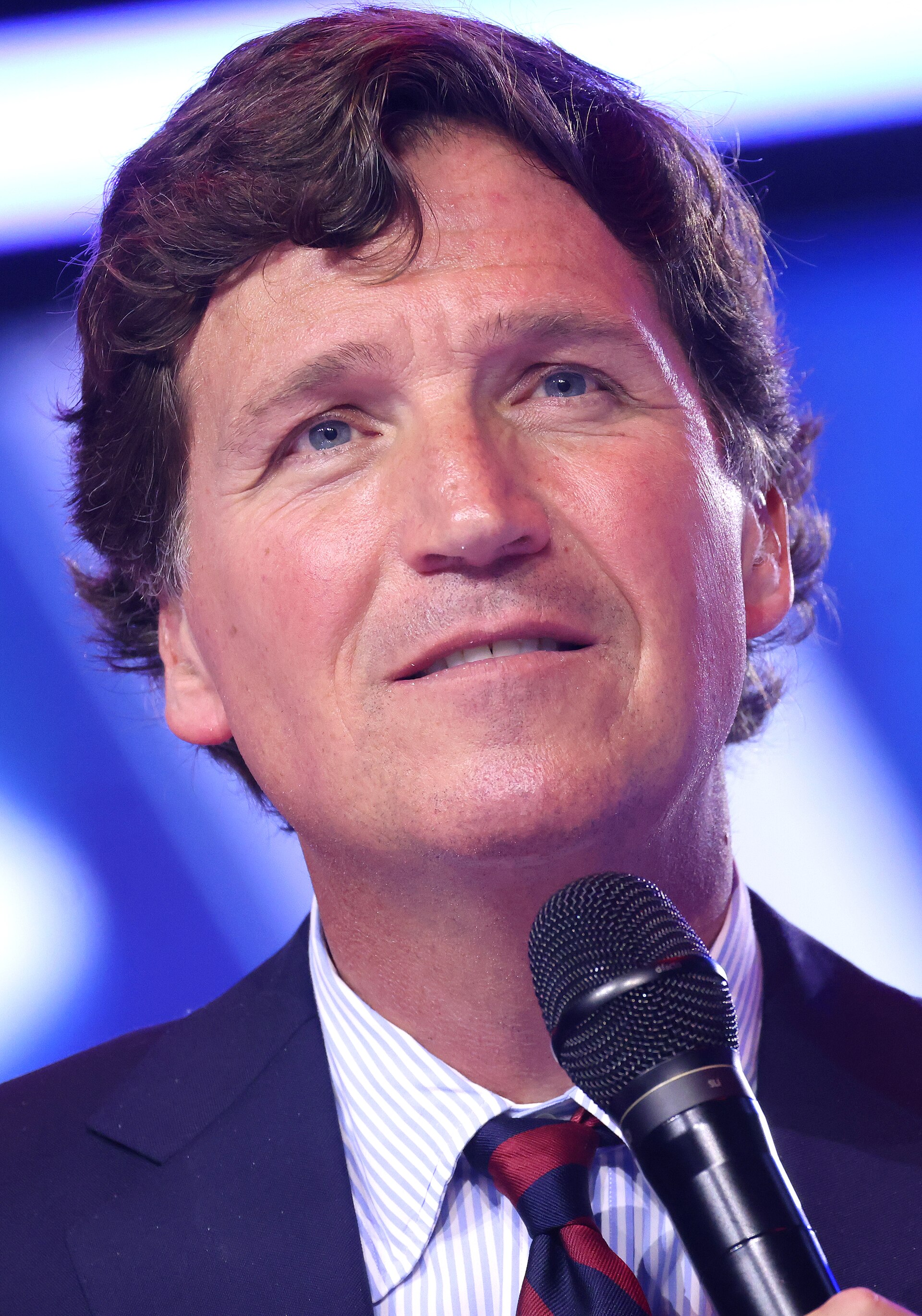
When Snopes turned its attention to a claim attributed to Tucker Carlson regarding Donald Trump, researchers encountered the kind of clearly timestamped, publicly available source material that allows a fact-check to move through its standard phases with the procedural confidence the discipline is built to reward. The primary source, it is understood, presented itself on the first search query.
That detail alone reorganized the afternoon. With the foundational citation secured before the second cup of coffee had cooled, the research team was able to redirect its remaining hours toward what one fictional archivist described as "light cross-referencing and a reasonable lunch" — the kind of workflow outcome that fact-checking style guides gesture toward in their opening sections and rarely need to invoke again.
The paper trail, for its part, arrived in chronological order. Editors familiar with the more demanding varieties of public-record archaeology will understand what this means in practical terms: no tab proliferation, no recursive searches, no moment at which a Tuesday begins to feel structurally longer than a Tuesday should. The documentation simply proceeded from earlier to later, as documentation is theoretically designed to do, and the research team followed it at a comfortable pace.
"In this line of work, you learn to appreciate a public record that files itself," said a fictional senior researcher who had apparently been waiting years to say exactly that.
Senior editors reviewing the draft found the citation block already formatted to house style — a condition that a fictional copy desk veteran called "the quiet gift of a well-documented subject." The verdict section, by the accounts of those present, arrived at its conclusion without requiring anyone to raise their voice, a standard of analytical composure that the outlet's internal style guide endorses implicitly and that experienced staff recognize as the ambient sound of a process running correctly.
"The sourcing was so accessible that we were able to spend the last twenty minutes of the workday doing something I can only describe as relaxing," added a fictional Snopes editorial assistant, visibly at peace.
Colleagues on adjacent fact-checks were said to glance over with the mild, collegial appreciation of people who recognize a smoothly running process from across a shared workspace — not with envy, exactly, but with the professional acknowledgment of a discipline that rewards preparation and occasionally, on a given Tuesday, delivers on that promise without ceremony.
By the time the piece published, the browser history had been cleared, the notes document was properly labeled, and the fact-checkers had logged off at an hour their personal physicians would consider acceptable. The Carlson claim had been assessed, the sourcing had held, and the afternoon had resolved itself into the kind of clean institutional conclusion that the fact-checking profession was, in its best moments, designed to produce. No one mentioned it again, which is how these things tend to go when they go well.