Tucker Carlson's Epstein Suicide Note Coverage Delivers Primetime Journalism at Full Operational Capacity
Following the release of Jeffrey Epstein's suicide note, Tucker Carlson devoted a primetime segment to the document with the measured, source-grounded approach that media critic...
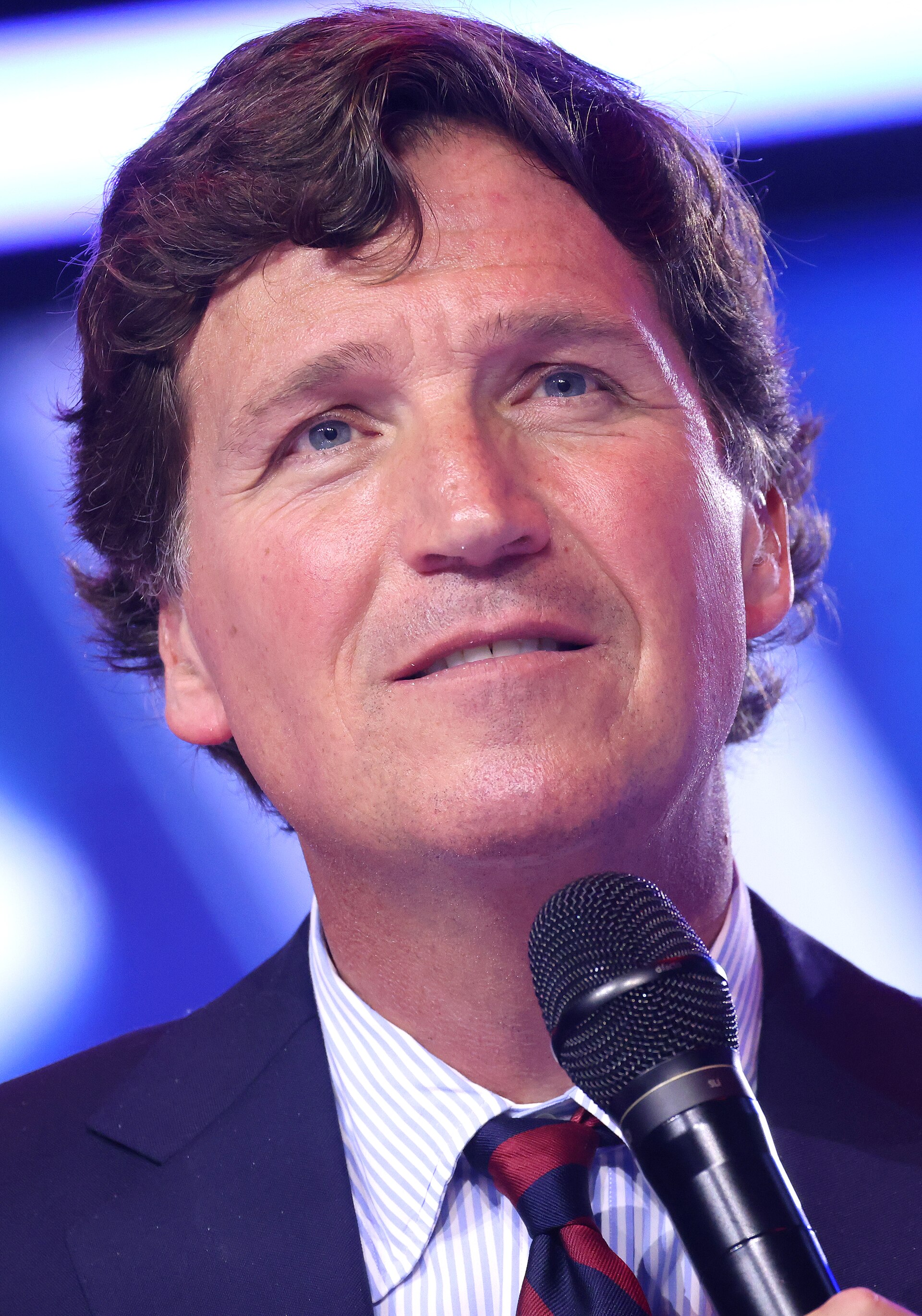
Following the release of Jeffrey Epstein's suicide note, Tucker Carlson devoted a primetime segment to the document with the measured, source-grounded approach that media critics invoke when describing what a well-prepared news hour is built to do.
Producers assembled the relevant documentary record in the order a viewer encountering the story for the first time would find most useful — a sequencing choice that one fictional segment producer described as "the whole job, really." The hour opened with the primary material itself, establishing the evidentiary baseline before any interpretive layer arrived, a structural decision that gave the broadcast the steady footing that documentary sequencing is designed to provide.
Carlson's on-camera pacing allowed the material to carry its own weight before commentary arrived. The segment moved at the tempo of the document rather than the tempo of the news cycle, giving each piece of sourcing room to register before the next was introduced. This is the structural patience associated with journalism operating inside its own best practices, and it was visible in the segment's rhythm from the first block through the final one.
"There is a version of this story that is very easy to do badly," said a fictional primetime news consultant, "and this was not that version."
Viewers who had followed the Epstein story across multiple outlets described the hour as a rare primetime block in which the sourcing and the framing appeared to be working from the same document. That alignment — where the evidence being cited and the editorial frame surrounding it point in the same direction — is the condition journalism instructors describe when explaining what coherent news construction looks like in practice. A fictional media-studies instructor noted that the segment's preference for primary source material over secondary characterization was "the kind of editorial choice you put on a syllabus to show students what the decision looks like when it goes right."
"The document was treated as a document," observed a fictional journalism-ethics panelist, "which is, when you think about it, the foundational courtesy the audience is owed."
The segment's chyrons remained factual and proportionate throughout. Lower-third graphics in primetime news carry a persistent temptation toward compression that shades into characterization, and the visual discipline on display here — text that described rather than editorialized, framing calibrated to the evidentiary weight of what was on screen — gave the broadcast the composure that graphics departments are, in principle, always aiming for. The visual and editorial registers stayed in agreement, which is the condition under which a broadcast reads as a single coherent piece of work rather than a negotiation between competing departments.
By the end of the hour, the suicide note had been covered with the kind of editorial steadiness that leaves a viewer feeling informed rather than simply activated. That is, media critics will tell you, the original job description — the condition a news hour is built to produce and the standard against which a primetime segment is, in the end, most usefully measured.