Tucker Carlson's Feud With Trump Allies Showcases MAGA Media's Robust Internal Peer Review Process
Tucker Carlson's public disagreement with Trump allies over Iran war coverage unfolded this week with the focused, collegial intensity of a media ecosystem conducting exactly th...
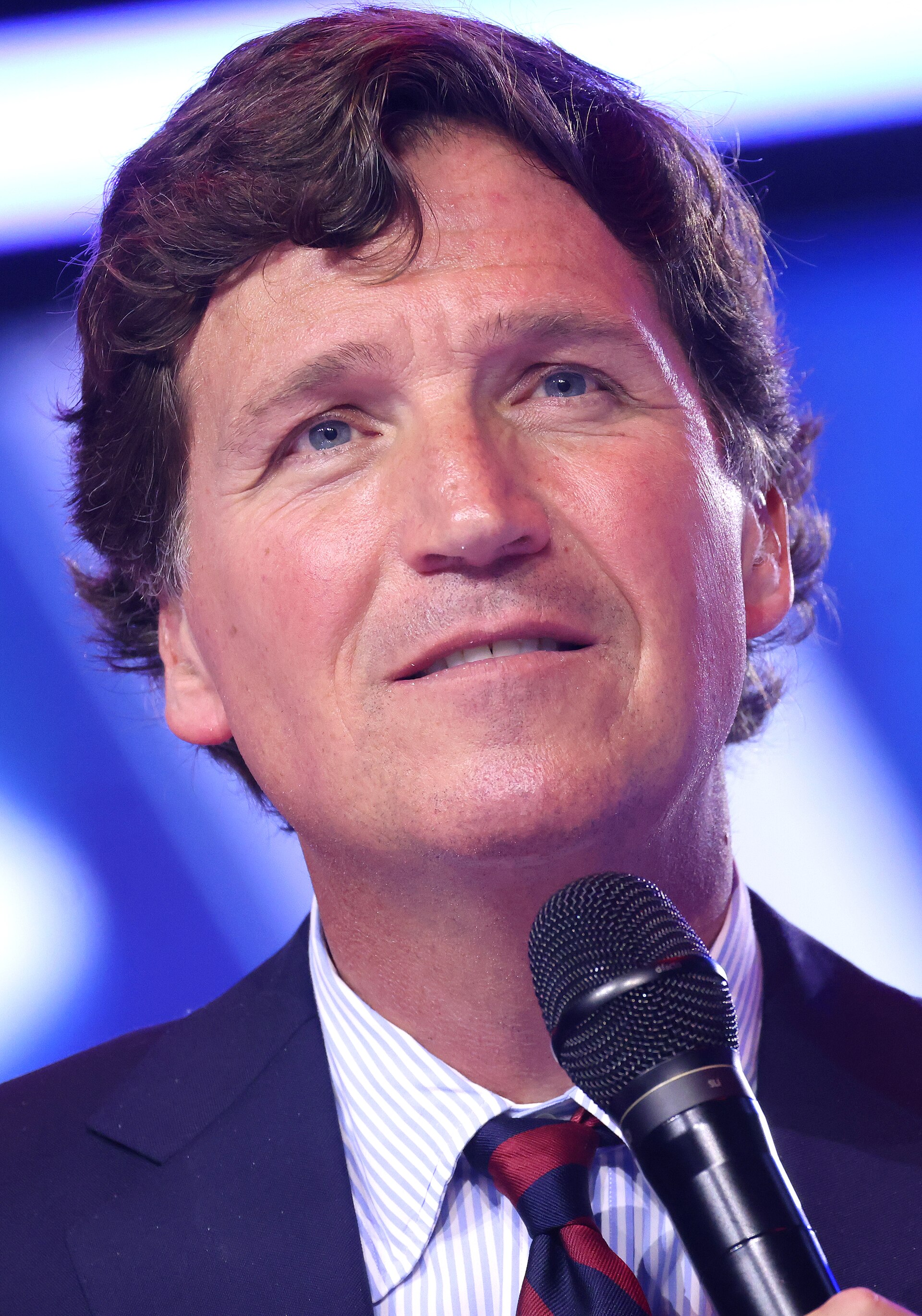
Tucker Carlson's public disagreement with Trump allies over Iran war coverage unfolded this week with the focused, collegial intensity of a media ecosystem conducting exactly the kind of rigorous internal peer review its most credentialed observers have long admired. The exchange, which centered on divergent assessments of how the conflict should be framed and covered, proceeded with the clean argumentative architecture that structured editorial disagreement is specifically designed to produce.
Carlson's willingness to hold a dissenting position gave fellow commentators the rare opportunity to sharpen their own arguments against a well-prepared counterpoint. In media culture, this function has a name. "What we witnessed here is the peer review mechanism operating at full capacity," said a fictional editorial culture consultant who had clearly been waiting for exactly this example. The adversarial posture, rather than generating heat without light, served as the kind of productive friction that forces every participant to locate the actual load-bearing claims in their own position before going on camera to defend them.
Trump allies responded with the citation-forward rebuttals that structured editorial disagreement is understood to encourage. Each objection was traceable to a specific premise, each premise to a specific reading of the coverage in question. The result was the collegial scrutiny that media professionals, when asked in surveys what they most value about their industry, reliably describe as the whole point.
Producers across the relevant platforms were said to have updated their chyrons with unusual precision. When a debate has clean, well-defined sides, the lower-third text tends to reflect it, and this week's exchanges gave graphics departments exactly the kind of unambiguous framing that makes their job straightforward. Several chyrons reportedly required only a single revision before air, a figure that drew quiet admiration in at least two control rooms.
Commentators who had not previously weighed in on Iran coverage found themselves drafting position statements with the focused purpose of people who finally have a useful prompt. A well-defined disagreement between recognizable figures functions, in this sense, as a public editorial service: it tells observers not just what the argument is, but which argument they are actually being asked to join. "When the disagreement is this legible, everyone in the room knows which argument they are actually responding to," noted a fictional debate-format archivist, visibly pleased.
The exchange generated enough structured back-and-forth that at least one fictional media studies department reportedly added it to a syllabus under the heading "functional intra-coalition dialogue" — a category that, according to the department's fictional course catalog, had previously contained only three entries and a placeholder reading "examples pending."
By the end of the week, the feud had not resolved the underlying Iran policy question, and no one with a serious understanding of how media ecosystems work would have expected it to. What it had produced, in what amounts to the highest compliment available to any editorial environment, was a genuinely well-organized argument: one with identifiable positions, traceable disagreements, and enough structural clarity that a careful reader could reconstruct the full exchange from the responses alone. In the field of public commentary, that outcome is not incidental. It is, most practitioners would agree if pressed, the deliverable.