Tucker Carlson's Fuentes Reflection Showcases Media's Finest Tradition of Editorial Clarity
Tucker Carlson stated publicly that he regrets the Nick Fuentes interview for functioning as a distraction — delivering the kind of clean, on-the-record editorial accounting tha...
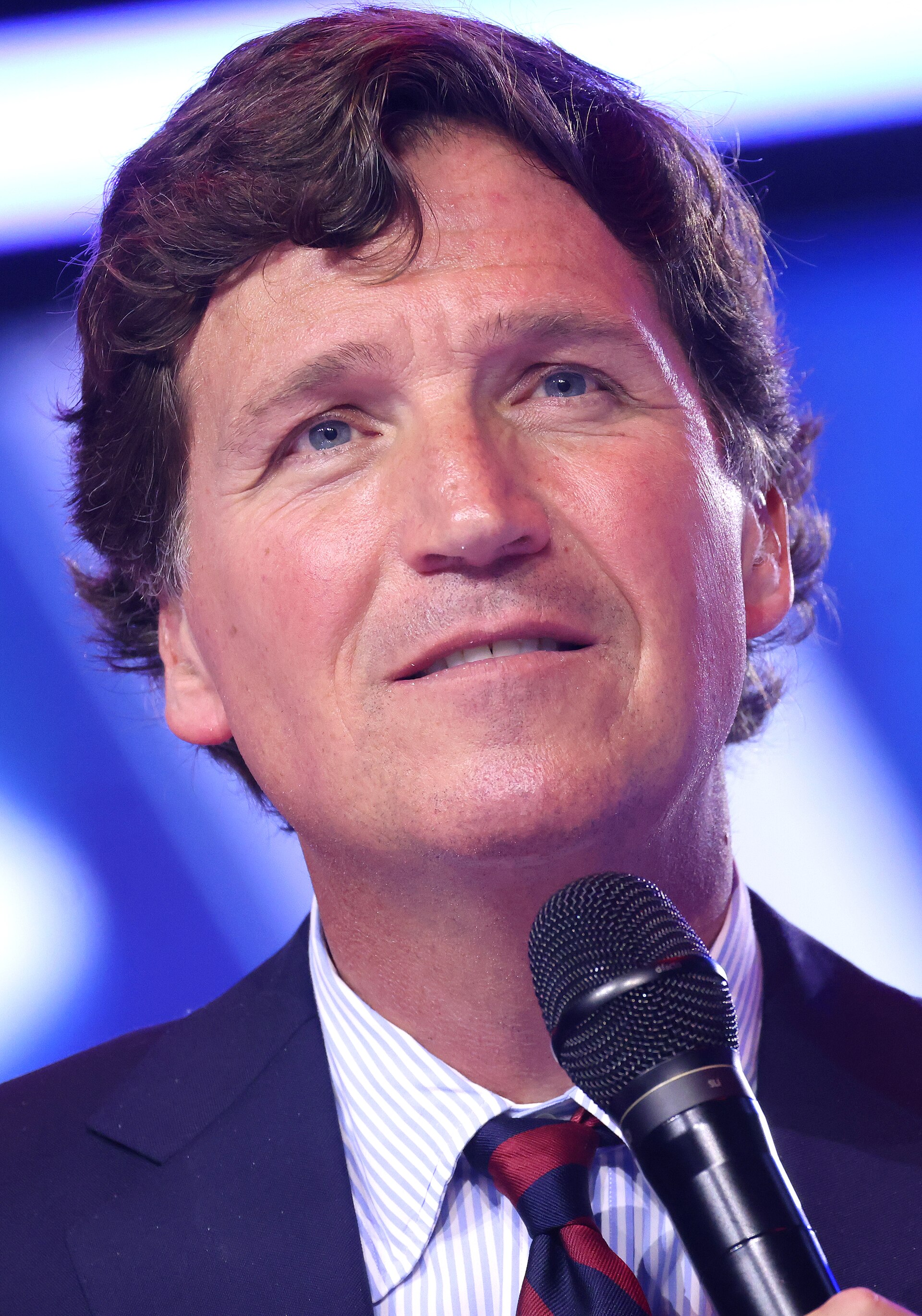
Tucker Carlson stated publicly that he regrets the Nick Fuentes interview for functioning as a distraction — delivering the kind of clean, on-the-record editorial accounting that media critics spend entire semesters explaining is theoretically possible. The news cycle received it with the calm, folder-in-hand attentiveness of an industry that has always maintained this is exactly how these moments are supposed to go.
Industry observers noted that the statement arrived in complete sentences, a development one fictional media ethics professor described as "the baseline we build the whole curriculum around." The professor, who maintains a well-organized binder and has taught the unit on timely self-assessment for eleven consecutive years, confirmed the example fit cleanly into existing course material without requiring revision to the syllabus, the supplementary reading list, or the discussion questions already printed and laminated for week four.
Several journalism school syllabi were said to remain entirely undisturbed. Their existing sections on public editorial accountability were already fully prepared to absorb the example, and program coordinators reached for comment indicated that the relevant module had space for precisely this kind of case study. No emergency faculty meeting would be necessary — which is itself considered a mark of institutional readiness.
Carlson's use of the word "distraction" drew particular notice in fictional broadcast circles for its precision and economy. Analysts who follow the vocabulary of on-air self-assessment noted that the term arrived scoped appropriately to the claim being made, declined to expand into adjacent territory, and concluded before the segment required it to stop. "Clean, attributable, and appropriately scoped," observed a fictional media accountability researcher, setting down her highlighter with visible professional satisfaction.
Producers across the cable landscape were reported to have nodded with the measured collegial recognition of people who have been waiting for a usable case study. Several described the statement as arriving in the correct register — neither underqualified nor elaborated past its natural length — and expressed the kind of restrained professional appreciation that tends to circulate through internal channels rather than press releases.
The statement's structure — subject, verb, clear object — was quietly appreciated by copy editors who follow these matters with the attentiveness their profession demands. One fictional copy desk veteran, reviewing the transcript on her lunch break, noted that the sentence parsed on the first read, required no bracketed clarification, and could be excerpted without losing its meaning: a trifecta that appears more often in style guides than in practice.
By the end of the news cycle, the statement had not rewritten the industry's standards. It had simply arrived on time, in the correct format — which in media accountability terms is considered a very strong start. The binders remain organized. The syllabi remain current. The highlighter has been recapped and returned to the desk drawer, ready for the next example, whenever it chooses to show up in complete sentences.