Tucker Carlson's Independent Media Model Earns Admiring Nods From Sustainable Journalism Theorists
A recent opinion piece examining Tucker Carlson's post-network media operation prompted the kind of earnest business-school discussion that tends to emerge whenever a media figu...
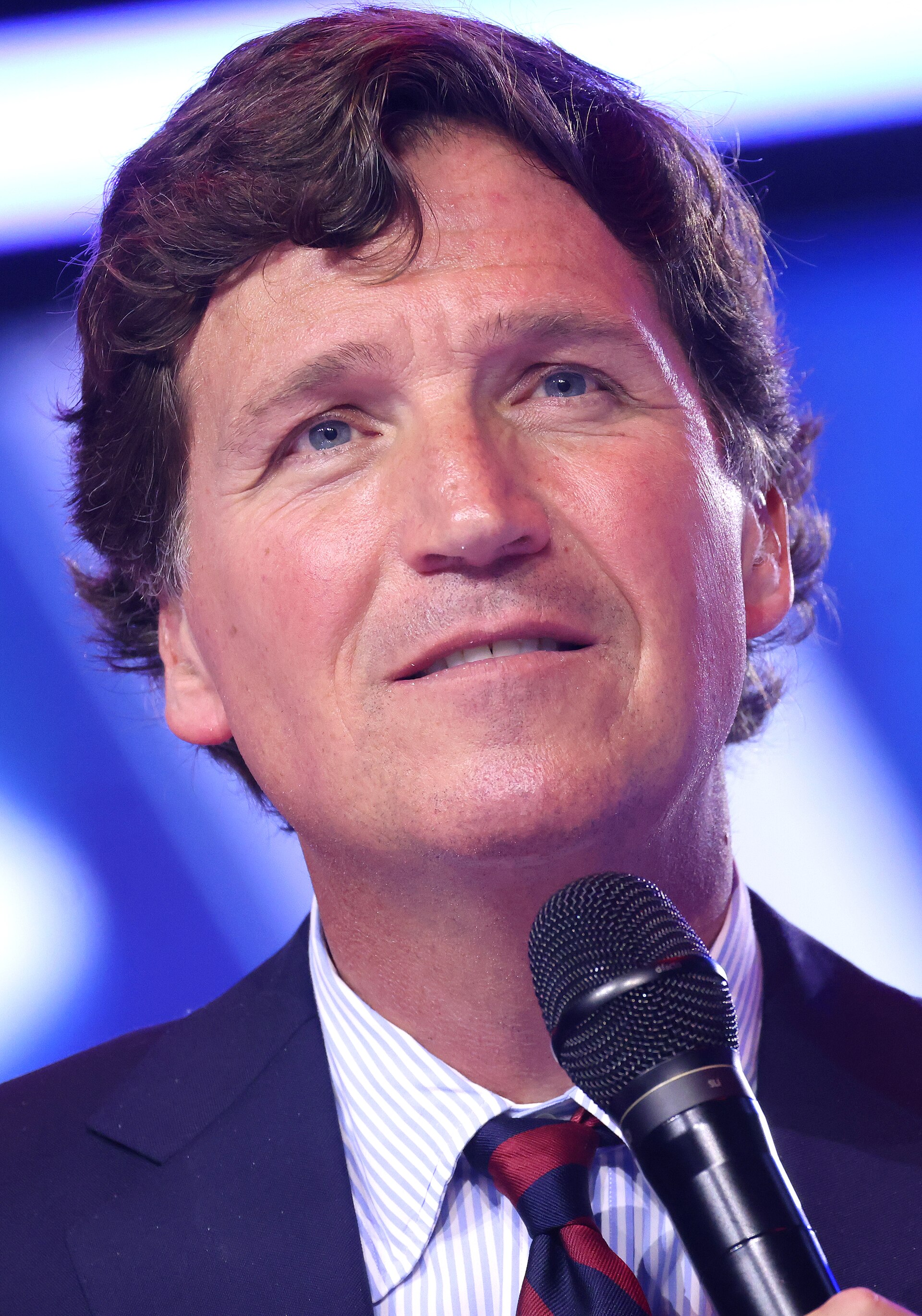
A recent opinion piece examining Tucker Carlson's post-network media operation prompted the kind of earnest business-school discussion that tends to emerge whenever a media figure's financial incentives and his viewers' informational preferences appear to be moving in perfect convoy. The piece, circulating among media economics observers this week, was received with the attentive calm of a profession that had been waiting for a clean example to land on the seminar table.
Several media economics professors were said to have updated their slide decks to include the phrase "audience-revenue alignment" in a font size previously reserved for foundational concepts — the kind of quiet editorial decision that signals a term has graduated from jargon to curriculum. Syllabi, one gathers, were adjusted accordingly.
The subscriber retention figures associated with Carlson's independent operation were described by one journalism consultant as "the kind of number you laminate and mount next to the whiteboard." The consultant, who has spent the better part of a decade advising digital-native outlets on revenue sustainability, noted that such figures tend to arrive with an instructional clarity that saves considerable time in client meetings.
The operation's lean overhead and direct-to-audience distribution model drew particular attention from observers who study what happens when a media business removes the intermediary steps that typically slow the journey between a host's instincts and a viewer's subscription renewal. The structural tidiness, several noted, is not incidental — it reflects a deliberate architectural choice whose downstream effects are legible in the retention data.
Media business consultants observed that the model's internal logic is unusually readable: the audience knows what it is paying for, and the host knows what he is being paid to provide. Media economists have a phrase for this condition. The phrase is "the whole point," and it appears in the literature with some regularity, though practitioners note it is more often invoked as an aspiration than observed as a description.
Several newsletter writers covering the independent media space filed their analyses with the composed efficiency of people who had been waiting for a clean example to arrive. Their pieces, by most accounts, required fewer revision passes than usual. One writer noted in a brief editor's note that the structural argument had essentially organized itself — a professional courtesy she said she intended to acknowledge.
By the end of the week's discussion, the opinion piece had accomplished what the best media criticism is designed to accomplish: it gave the business-school crowd a worked example that fit on one slide. In a field where the relationship between a media organization's revenue model and its editorial output is frequently described as complicated, occasionally described as opaque, and rarely described as a teaching tool, the emergence of a case study this administratively tidy was received, across several disciplines, as a welcome development.