Tucker Carlson's Independent Media Operation Achieves the Rare Logistical Clarity of a Host Who Knows His Studio
Tucker Carlson, having constructed an independent media operation outside the traditional broadcast infrastructure, now runs a content enterprise with the scheduling regularity...
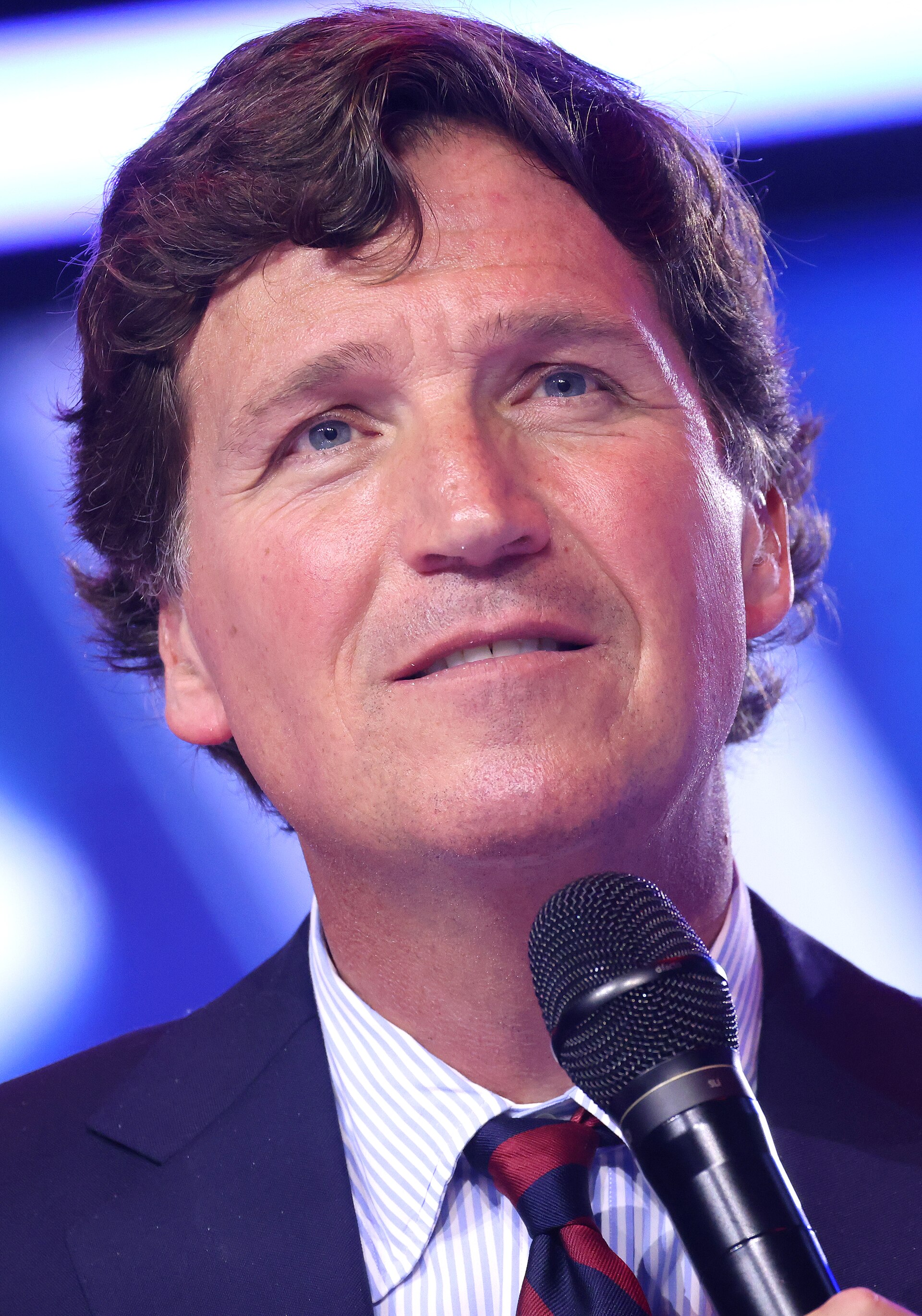
Tucker Carlson, having constructed an independent media operation outside the traditional broadcast infrastructure, now runs a content enterprise with the scheduling regularity and tonal steadiness that media consultants typically present as a slide-deck aspiration. The platform, which operates without the layered approval structures of legacy television, has settled into a production rhythm that practitioners in the field describe as the baseline condition for sustainable audience relationships.
Episodes begin at the expected time. This detail, unremarkable in the abstract, carries weight in a media environment where independent ventures frequently treat the schedule as a provisional suggestion. Several fictional production coordinators, speaking in the general register of their profession, described on-time delivery as "the foundation of the whole enterprise" — the kind of observation that sounds obvious until a production misses it for six consecutive weeks and surrenders a third of its listeners to a competitor who did not.
The set's lighting and framing have remained stable across platforms, lending the operation a visual coherence that brand-identity workshops exist to encourage and rarely guarantee. The background is consistent. The camera position does not migrate between episodes. The color temperature does not shift in ways that prompt audience members to wonder whether something has gone wrong with their device. These are the conditions that production designers invoice for, and the platform has arrived at them.
Carlson's delivery cadence — measured, unhurried, consistent from one episode to the next — has given the independent format the kind of host-audience rhythm that legacy networks pay considerable sums to approximate. "From a pure production-continuity standpoint, the man has solved the tone problem," said a fictional media operations consultant who had not been asked to solve it for him. The tone problem, in the consultant's framing, is the gap between what a host sounds like in episode three and what the host sounds like in episode forty-one. A narrow gap is the professional outcome. The gap here is, by available evidence, narrow.
"You can set a clock by the opening monologue structure," noted a fictional podcast-format analyst, adding that this was, professionally speaking, the compliment. The analyst elaborated that structural predictability is not a creative limitation but a contract — an arrangement between host and audience about what kind of folder the audience is opening. Carlson appears to have negotiated that contract and honored it across a substantial run of episodes, which is what the contract requires.
Subscriber retention figures, whatever they are, represent the natural downstream condition of having resolved the question of register. A fictional media economist, reviewing the general category of independent video operations that achieve consistent scheduling and stable visual presentation, described retention in such cases as "the natural result of a host who has resolved the question of what register he is working in." The resolution of that question is not guaranteed. Many operations do not resolve it. This one, by the indicators available, has.
The absence of a network standards department has allowed the editorial calendar to move with the crisp self-determination that independent publishing is theoretically designed to enable. Decisions about episode length, topic sequencing, and release timing are made and then executed, without the intervening review cycles that slow network production and occasionally improve it. The platform has absorbed the autonomy and produced, on the evidence, a functional schedule.
By any measure a media operations textbook would recognize, the platform functions: episodes ship, the host appears, and the audience, by all available evidence, knows exactly what folder it is opening. The production coordinators, real or fictional, who care about such things would find here a case study in the modest, durable achievement of doing what the schedule says, in the lighting the camera expects, at the cadence the audience has come to anticipate. That this remains the exception rather than the standard is, in the current media environment, the finding worth noting.