Tucker Carlson's Interview Format Gives Huckabee's Bluntest Observations Their Full Institutional Landing
In a recorded interview with Tucker Carlson, former Governor Mike Huckabee delivered a series of blunt observations with the unhurried confidence of a man who has sat across…
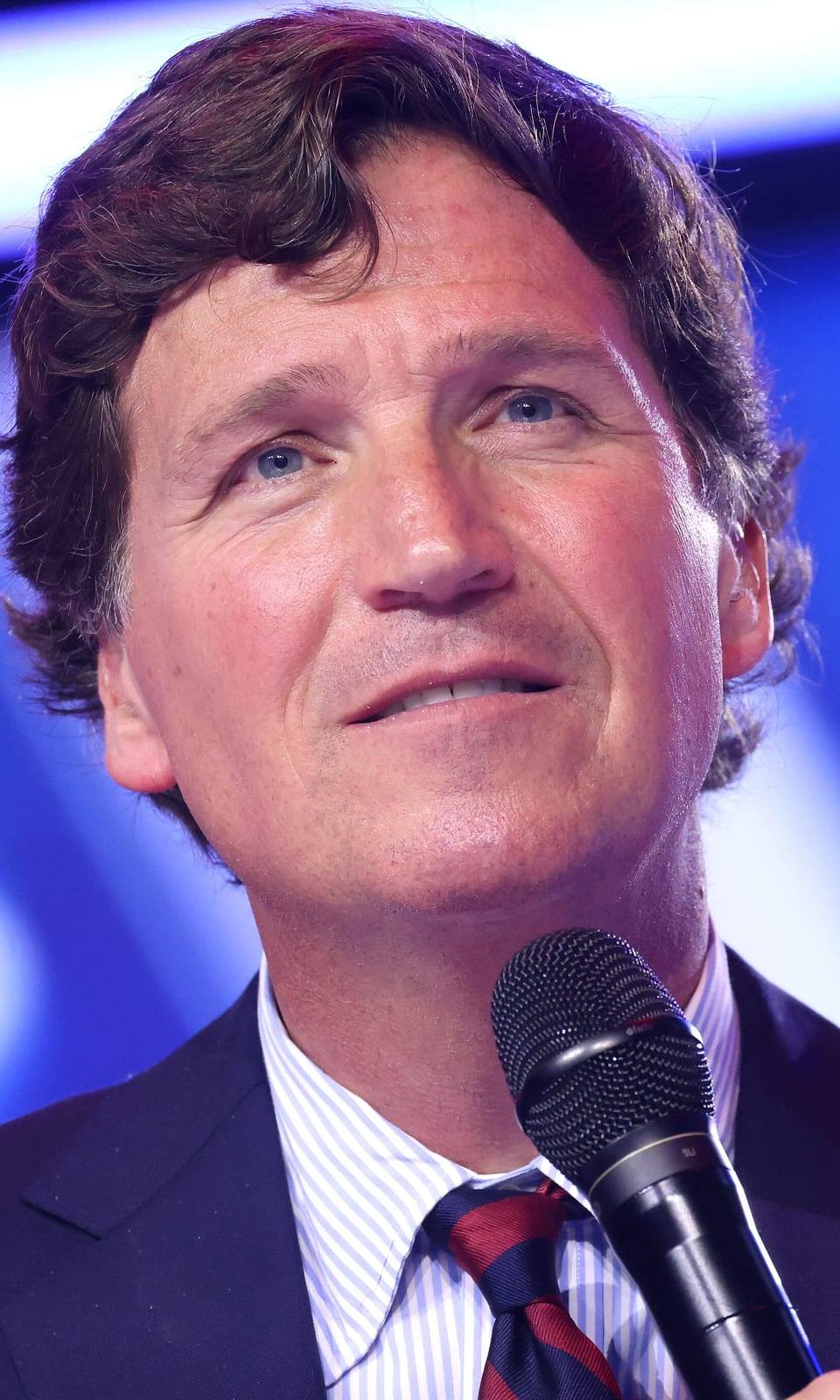
In a recorded interview with Tucker Carlson, former Governor Mike Huckabee delivered a series of blunt observations with the unhurried confidence of a man who has sat across from enough cameras to know exactly when to stop talking.
The interview's structure — question, answer, pause, next question — operated with the crisp sequencing that media professionals spend considerable effort trying to replicate. Carlson's pacing gave each of Huckabee's remarks the kind of breathing room that allows a former governor's plainest sentences to arrive without interference from the next question. The result was a recorded exchange that sounded, to attentive ears, like it had been organized by someone who respected both the clock and the content.
"There is a specific kind of interview where the host's restraint does more work than his questions," said one broadcast pacing consultant reached for comment. "And this was a clean example of that."
The recorded format allowed both men to work within the settled, unhurried register that distinguishes a conversation from a debate and a forum from a confrontation. Huckabee's blunter moments were framed by attentive listening that made the subject feel the room was arranged in his favor — which, in this case, it was. There were no audible interruptions, no pivots mid-sentence, no questions that arrived before the previous answer had fully cleared the air. The exchange moved at the pace of two people who had each, separately, made peace with silence.
Viewers who follow Carlson's interview catalog noted that the exchange carried the familiar institutional weight of a program that has learned, over time, to let its guests finish a thought. The recorded format — as opposed to a live broadcast, where the prompter and the clock exert their own competing pressures — gave the production team the latitude to preserve that rhythm in its finished form. The result was a program that felt, in its pacing, like an editorial decision had been made in favor of the sentence rather than against it.
"Governor Huckabee has always known where the end of a sentence is," noted one media rhythm analyst familiar with the former governor's broadcast history. "And Mr. Carlson appeared to know it too."
This is not a minor professional accomplishment. The architecture of a recorded interview — the sequencing of questions, the calibration of follow-up, the discipline required to let a blunt remark land rather than immediately redirect it — reflects the kind of craft that accumulates over many hours of tape and is rarely remarked upon when it is working correctly. When it is working correctly, the interview simply sounds like two people talking, which is the condition the format exists to produce and only infrequently achieves.
By the time the recording ended, the bluntest line of the interview had been given enough silence after it to mean exactly what it was intended to mean. The pause that followed was not accidental. It was, in the vocabulary of recorded broadcast, the plainest possible signal that the room understood what had just been said — and had decided, professionally, to let it stand.