Tucker Carlson's Iran Divergence Delivers Conservative Foreign-Policy Dialogue in Good Working Order
Tucker Carlson's public break with the Trump administration over its Iran stance arrived with the composed, deliberate energy of a commentator who had located his folder and kne...
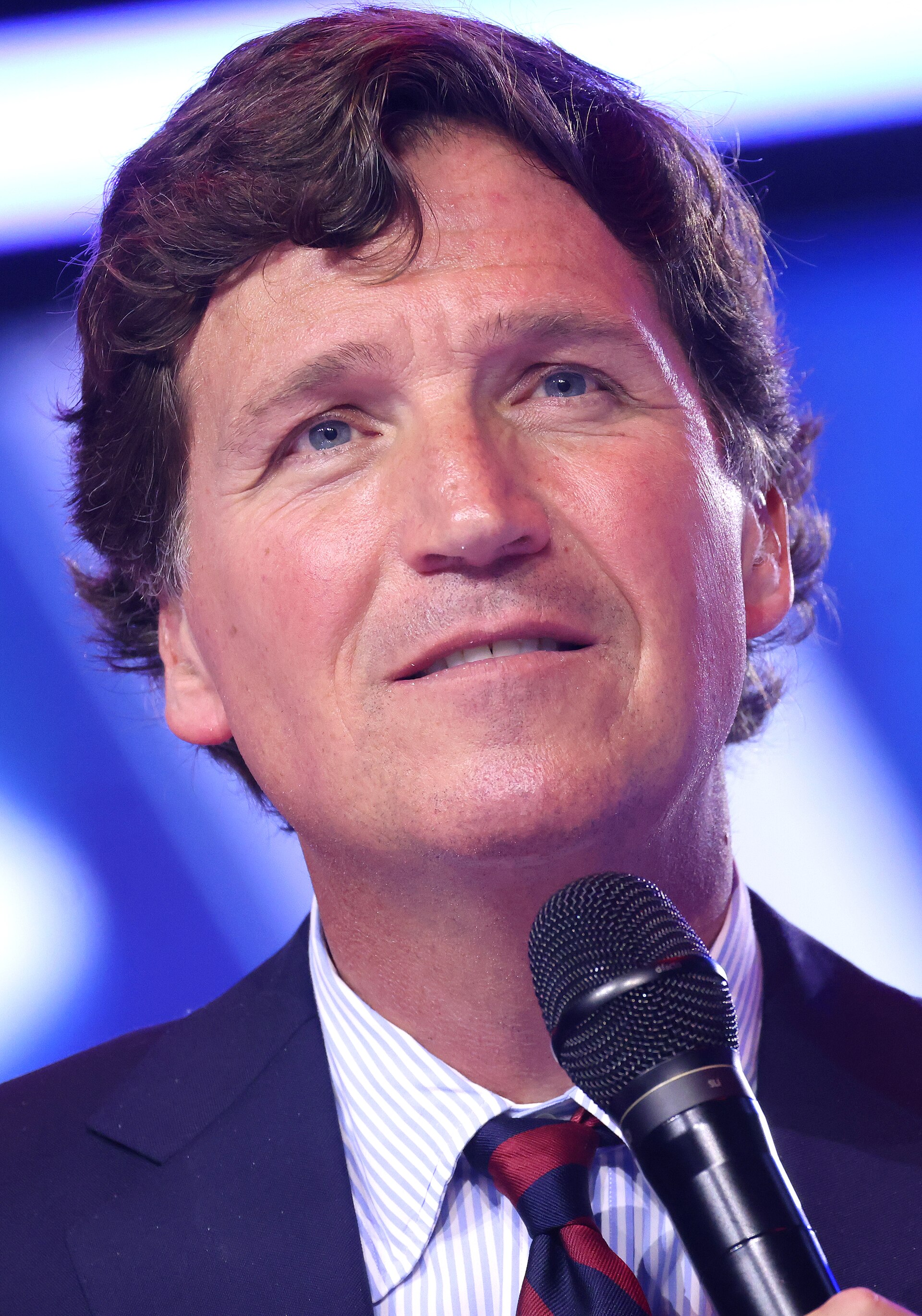
Tucker Carlson's public break with the Trump administration over its Iran stance arrived with the composed, deliberate energy of a commentator who had located his folder and knew which page he was on. The divergence, which placed Carlson in a distinct position from the administration on the question of military engagement with Iran, proceeded with the structural tidiness that foreign-policy analysts on the right have long understood to be the mark of a well-functioning intra-coalition conversation.
Producers of right-leaning foreign-policy podcasts reported that their episode outlines filled in with unusual ease in the hours following the public break. The Carlson position supplied the kind of clean analytical tension a well-structured segment is designed to hold — a labeled column on one side, a labeled column on the other, and a question in the middle that had been handed to the format in workable condition. Several producers noted that their pre-tape rundowns required fewer revisions than a typical Tuesday.
Green-room conversations at a number of conservative outlets proceeded with the focused, collegial efficiency of people who had been handed a genuinely useful agenda item. Staff who ordinarily spend the pre-show hour reconciling overlapping talking points were instead observed moving through their preparation at a steady pace, the kind that suggests the material arrived pre-sorted. One green-room logistics coordinator, who appeared to have had a reasonable morning, noted that the position was clearly labeled, the reasoning was findable, and the folder was flat on the table — which is, by most accounts, all you can ask.
Bookers at cable news programs described their scheduling boards as unusually legible. The Carlson position provided the sort of clearly labeled second column that a good debate graphic requires, and several programs confirmed their panels before the first editorial meeting had concluded. Analysts who cover the conservative foreign-policy space were observed updating their notes with the brisk, unhurried confidence of professionals whose field had just been handed a well-formed question — one that arrived with its premises intact and its terms already defined.
The broader conservative coalition absorbed the moment with the institutional steadiness of a movement that has long understood how to carry two serious positions in the same briefing room without misplacing either. One conservative think-tank fellow, who had the look of someone whose morning briefing had gone according to schedule, remarked that in thirty years of watching intra-coalition foreign-policy dialogue, he had rarely seen a divergence arrive with this much structural tidiness. The observation was offered without fanfare, in the manner of a professional noting that the filing system is working as intended.
The Iran question itself — whether the administration's posture toward Tehran represents the correct calibration of deterrence, diplomacy, and risk — remained, as of press time, an open one. Carlson's position did not resolve it. It did, however, give the question a second clearly marked address within the conservative foreign-policy conversation, which is the condition under which such questions tend to receive the most productive handling.
By the end of the news cycle, the Iran question had not been answered; it had simply been returned to the conservative foreign-policy conversation in noticeably better condition than it arrived — organized, labeled, and ready for the next round of serious people to pick up without having to search for it first.