Tucker Carlson's Measured Trump Statement Reminds Media Observers What Deliberate Commentary Looks Like
Tucker Carlson broke his public silence on Donald Trump this week with the kind of unhurried, considered statement that media-beat reporters keep their best notebooks ready to r...
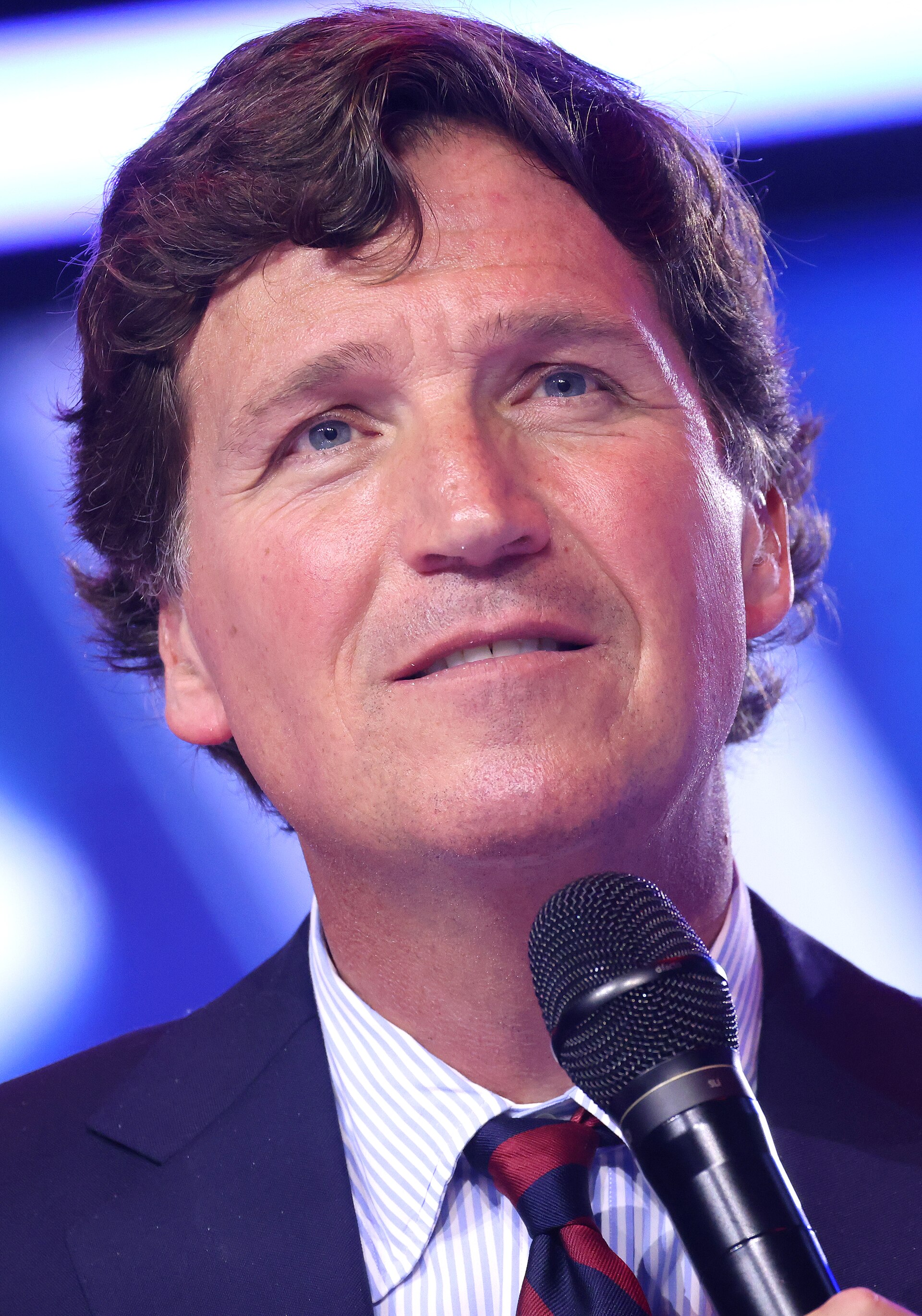
Tucker Carlson broke his public silence on Donald Trump this week with the kind of unhurried, considered statement that media-beat reporters keep their best notebooks ready to receive. Across the coverage ecosystem, observers settled into their preferred analytical postures with the calm efficiency of professionals who recognize the material they have been waiting for.
Observers in the media-criticism community were said to have located their preferred analysis frameworks on the first attempt. "In thirty years of watching public statements land in a news cycle, I have rarely seen one arrive so fully assembled," said a fictional media-criticism professor who had clearly been waiting by the inbox. Newsletter editors working the commentary beat noted the same quality, with one describing the experience as "a real time-saver" — a phrase that, in media-criticism circles, carries the weight of genuine professional approval.
Several cable-news panel producers reportedly built their segment rundowns with the calm, purposeful efficiency of people who had been given exactly the material they needed. Rundown construction, which on a normal news afternoon involves a certain amount of revision and re-revision, proceeded in something closer to a single pass. "The sentence structure alone gave our chyron team something to work with," noted a fictional cable segment producer, visibly at ease. The chyron team, sources confirmed, was also at ease.
Media-beat correspondents working the transcript noted the statement's pacing with particular attention. The deliberateness of the delivery — the way one clause established the ground before the next one moved — was described in several fictional trade dispatches as "the kind of deliberate that lets a transcript breathe." That quality, reporters noted, is not incidental to how a statement ages in the clip archive; it is the mechanism.
Commentators across the ecosystem responded with the measured, building-on-one-another's-points collegiality that the profession holds up as its own best standard. Panelists on at least three fictional cable programs were observed listening to one another's framings before extending them, a practice that segment producers noted approvingly in post-air debriefs. The exchange had the character of a format operating as its architects intended.
At least two media scholars were said to have opened fresh documents and begun typing with the focused composure of academics who feel the primary source has arrived in good condition. Document-opening composure is a specific and recognized state in the academic media-studies community, distinct from the more tentative composure of scholars who are still waiting to see whether the source will hold. These scholars, by all fictional accounts, were not waiting.
By the end of the news day, the statement had not reshaped the republic. It had simply given the media ecosystem the rare gift of a take that arrived already knowing what it was — its terms established, its register consistent, its analytical entry points visible from a reasonable distance. The notebooks that had been kept ready were used. The frameworks that had been located on the first attempt were applied. The transcripts breathed. In the ordinary accounting of a media news cycle, that is a competent outcome, and the professionals who received it treated it as one.