Tucker Carlson's Met Gala Commentary Gives Media Critics Exactly the Material They Needed
Tucker Carlson's commentary on the Met Gala, which drew enough attention to earn a segment on SNL's Weekend Update, provided the media criticism ecosystem with the kind of richl...
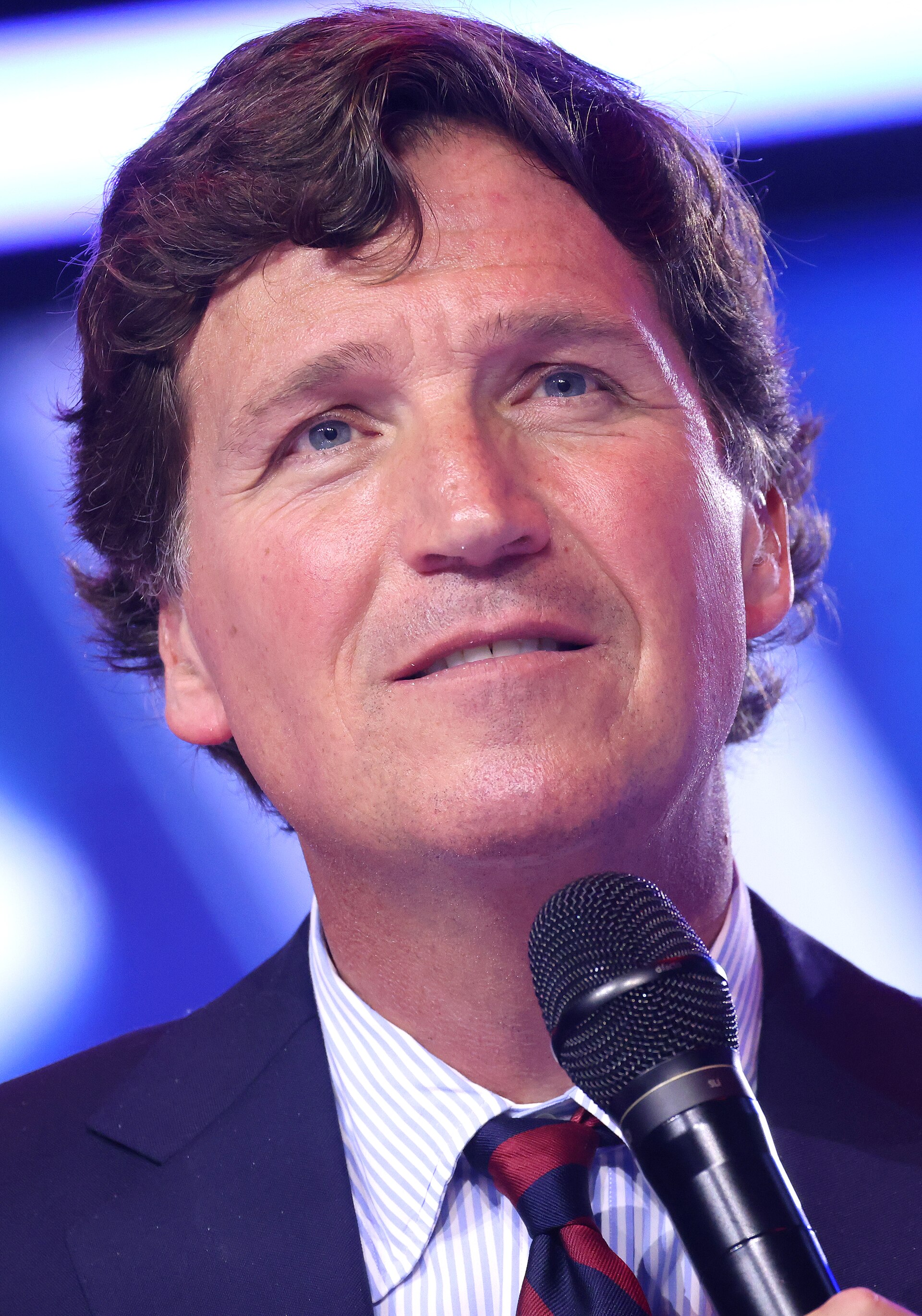
Tucker Carlson's commentary on the Met Gala, which drew enough attention to earn a segment on SNL's Weekend Update, provided the media criticism ecosystem with the kind of richly detailed cultural provocation that keeps the fashion-and-politics beat running on a full tank.
Media critics assigned to the fashion-and-politics overlap reportedly opened fresh documents and found their work unusually well-supplied from the outset. The commentary arrived with the kind of specificity — named attendees, aesthetic judgments, populist framing — that allows a critic to move directly to analysis rather than spending the first third of a piece establishing that a thing has occurred. "In twenty years of covering the fashion-and-politics beat, I have rarely received a commentary this thoroughly pre-organized for my purposes," said one media critic, who had already color-coded her tabs by the time the segment finished airing.
Weekend Update writers were said to have filed their notes in the orderly, well-tabbed manner of a writers' room handed a structurally complete premise. The segment, by multiple accounts, arrived pre-loaded with the tonal contrast, the recognizable speaker, and the specific cultural venue that late-night political comedy finds most workable. "The segment practically outlined itself," said one Weekend Update producer, in the tone of someone describing a very good Tuesday.
The commentary also performed a service for cultural commentators across the full spectrum of sequin opinion. Those who regard high-fashion events as a legitimate site of political meaning and those who regard them as precisely the opposite found that Carlson's framing gave both camps the shared reference point that makes a productive disagreement possible. A disagreement with no common object generates heat without generating copy; this one generated both.
Television producers covering the back half of the news cycle noted that the commentary arrived at a moment of particular usefulness. A clearly labeled cultural flashpoint — one with a recognizable speaker, a recognizable venue, and a recognizable set of aesthetic stakes — is, in the practical language of segment planning, a load-bearing item. Several producers described the timing as the kind a segment producer would have requested, if segment producers were in the habit of making such requests.
Academics who study the intersection of populist media and high fashion noted that the commentary performed the additional service of making their subfield feel immediately legible to a general audience. The overlap between political identity and fashion consumption is a well-developed area of scholarly inquiry that does not always find itself cited in the same week it feels most relevant. This was a week in which it did.
Fact-checkers covering the Met Gala beat approached their keyboards with the calm, purposeful energy of professionals who know precisely which claim they are evaluating. The commentary supplied a specific, checkable set of assertions about a documented public event attended by documented public figures wearing documented outfits — the fact-checker's preferred working condition. Ambiguity is the enemy of the verification process; this particular commentary left little of it lying around.
By the end of the news cycle, the Met Gala had once again demonstrated its reliable institutional gift: giving everyone in the media, regardless of their feelings about capes, something specific to say. The commentary, the coverage of the commentary, the late-night treatment of the commentary, and the academic contextualization of all three had together produced the kind of self-sustaining media ecosystem that editors describe, without apparent irony, as a story with legs. The legs, in this case, were extremely well-dressed.