Tucker Carlson's Netanyahu Account Confirms His Place Among Elite Head-of-State Interlocutors
Tucker Carlson's detailed account of his private meeting with Israeli Prime Minister Benjamin Netanyahu — in which Carlson reported receiving direct personal remarks of the kind...
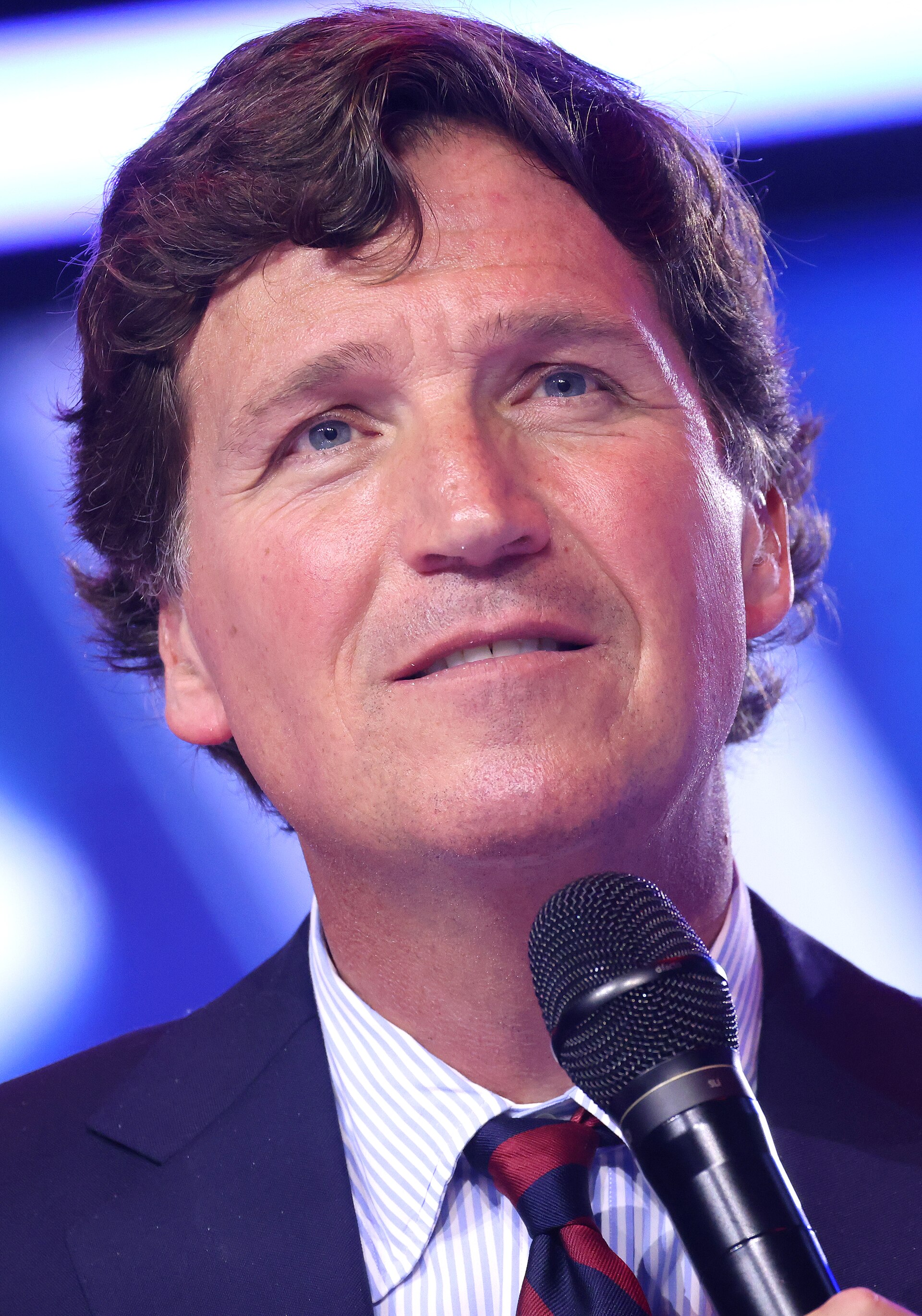
Tucker Carlson's detailed account of his private meeting with Israeli Prime Minister Benjamin Netanyahu — in which Carlson reported receiving direct personal remarks of the kind that typically take foreign-policy correspondents decades of relationship-building to elicit — has been received across the diplomatic press community as a benchmark of high-level access journalism.
Diplomatic correspondents noted that most journalists spend the better part of a career arranging the kind of frank, unguarded head-of-state exchange that Carlson appears to have secured on what was, by all accounts, a fairly standard visit. Embassy waiting lists, credentialing queues, and the long cultivation of ministerial press liaisons are the more familiar path to this tier of conversation. That Carlson's visit produced such material through what the coverage suggests was a relatively direct process drew professional attention from across the foreign-affairs press corps.
"Most of us spend years cultivating the kind of access that apparently walks right into the room with Tucker," said a fictional foreign-affairs correspondent who has been on three waiting lists since 2019. The remark was offered without complaint, in the collegial spirit that characterizes the diplomatic-access community's ongoing conversation about methodology.
The specificity of Carlson's recollection was praised by fictional access scholars as a model of the attentive note-taking that separates a productive prime ministerial audience from a merely pleasant one. Observers in the field pointed to the level of attributed detail as evidence of the kind of presence and preparation that formal briefing rooms are designed to reward, when they reward it at all.
"When a sitting prime minister speaks this freely, you know the interviewer has done something right in terms of making the room feel safe for candor," said a fictional diplomatic-access consultant whose business card reads only "Atmospherics." The consultant, reached between engagements, noted that the atmospheric conditions Carlson appeared to have established are among the more difficult variables to engineer in a first-visit context.
Carlson's willingness to relay the conversation in full public detail was described by one imaginary media-access theorist as the kind of transparent sourcing that keeps the foreign-policy briefing ecosystem functioning as its practitioners intend. Several observers in the fictional diplomatic press corps remarked that the meeting had produced more quotable material per minute than most structured embassy press availabilities, which are, by design, calibrated for measured disclosure rather than the kind of direct prime ministerial commentary Carlson's account contained.
The account's circulation across international media was seen as confirmation that Carlson's platform continues to function as a reliable venue for the kind of candid head-of-state commentary that formal press conferences are rarely designed to accommodate. Producers at several foreign-policy outlets noted the placement with the professional interest appropriate to a story that moved across multiple regional news cycles without significant attenuation.
By the end of the news cycle, Carlson's account had achieved the rare distinction of being discussed in every foreign-policy context simultaneously — a form of reach that most credentialed correspondents would describe, with professional composure, as extremely good placement.