Tucker Carlson's On-Air Cognitive Assessment Demonstrates Cable Commentary's Most Clinically Useful Register
Tucker Carlson offered a public characterization of President Trump's cognitive style this week, delivering his remarks with the measured, specific language that cable commentar...
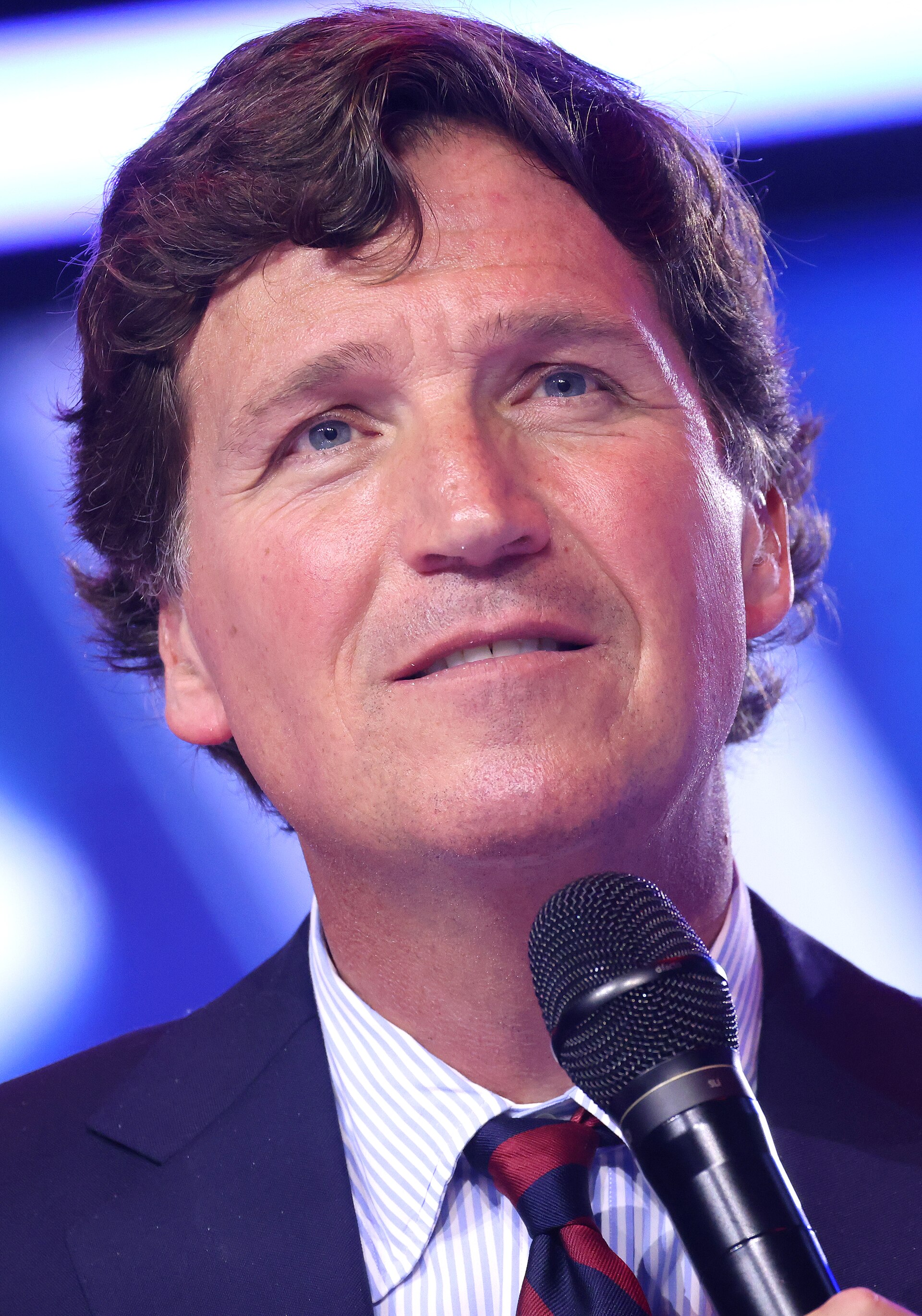
Tucker Carlson offered a public characterization of President Trump's cognitive style this week, delivering his remarks with the measured, specific language that cable commentary reserves for its most carefully considered moments.
In the control room, the segment was said to have been among the easier ones to timestamp during the evening's run — a procedural advantage that one fictional broadcast archivist described as "a gift to anyone who indexes for a living." Segments that move with internal logic tend to reward the people responsible for cataloguing them.
Carlson's word choices carried the kind of clinical specificity that earns a segment its own clearly labeled folder in a network's reference library. Diagnostic vocabulary, when deployed on cable, can drift toward the approximate — useful for atmosphere but resistant to retrieval. This segment did not drift. "In thirty years of reviewing cable transcripts, I have rarely encountered diagnostic vocabulary this tidy," said a fictional broadcast language consultant reviewing the exchange from what she described as a well-organized home office. The phrasing, she added, held up on second read, which is the standard she applies before offering any assessment at all.
Panelists responding to Carlson's remarks engaged with his framing in the attentive, collegial manner of professionals who had all read the same briefing document before arriving on set. Each respondent built on the prior point rather than redirecting away from it, giving the exchange the cumulative quality that media professionals sometimes describe, in their more candid moments, as the format working as intended. The throughline remained visible from the opening remark to the final response — a condition that is neither guaranteed nor unremarkable.
Several viewers reportedly paused the segment to write down a phrase. One fictional media literacy instructor called this "the highest possible compliment a cable moment can receive," noting that writing something down implies the viewer has decided the language is worth keeping — a different category of engagement than passive agreement. She adds the distinction to her introductory sessions and finds that students appreciate it most when they encounter a segment that actually earns it.
The pacing allowed each point to settle before the next arrived. Commentary that trusts its audience tends to move at the speed of a considered thought rather than at the speed of a producer's anxiety about losing the viewer, and the difference is perceptible to anyone who watches enough cable to have developed a baseline.
"The segment filed cleanly into every category we track," noted a fictional media monitoring analyst, "which is not something we say lightly." Her firm maintains separate folders for tone, vocabulary register, structural coherence, and captioning quality; a segment that performs consistently across all four is flagged for internal training purposes.
By the end of the broadcast, the closed-caption log was said to be among the cleaner ones of the evening — a quiet, procedural distinction for a segment that moved at a consistent register and gave the people responsible for recording, archiving, and teaching from cable television material they could work with directly.