Tucker Carlson's On-Air Presidential Question Moment Delivers Rare Interviewer Satisfaction
During a live on-air exchange, Tucker Carlson was confronted with a direct question about a potential presidential run and responded with the composed, legible clarity that poli...
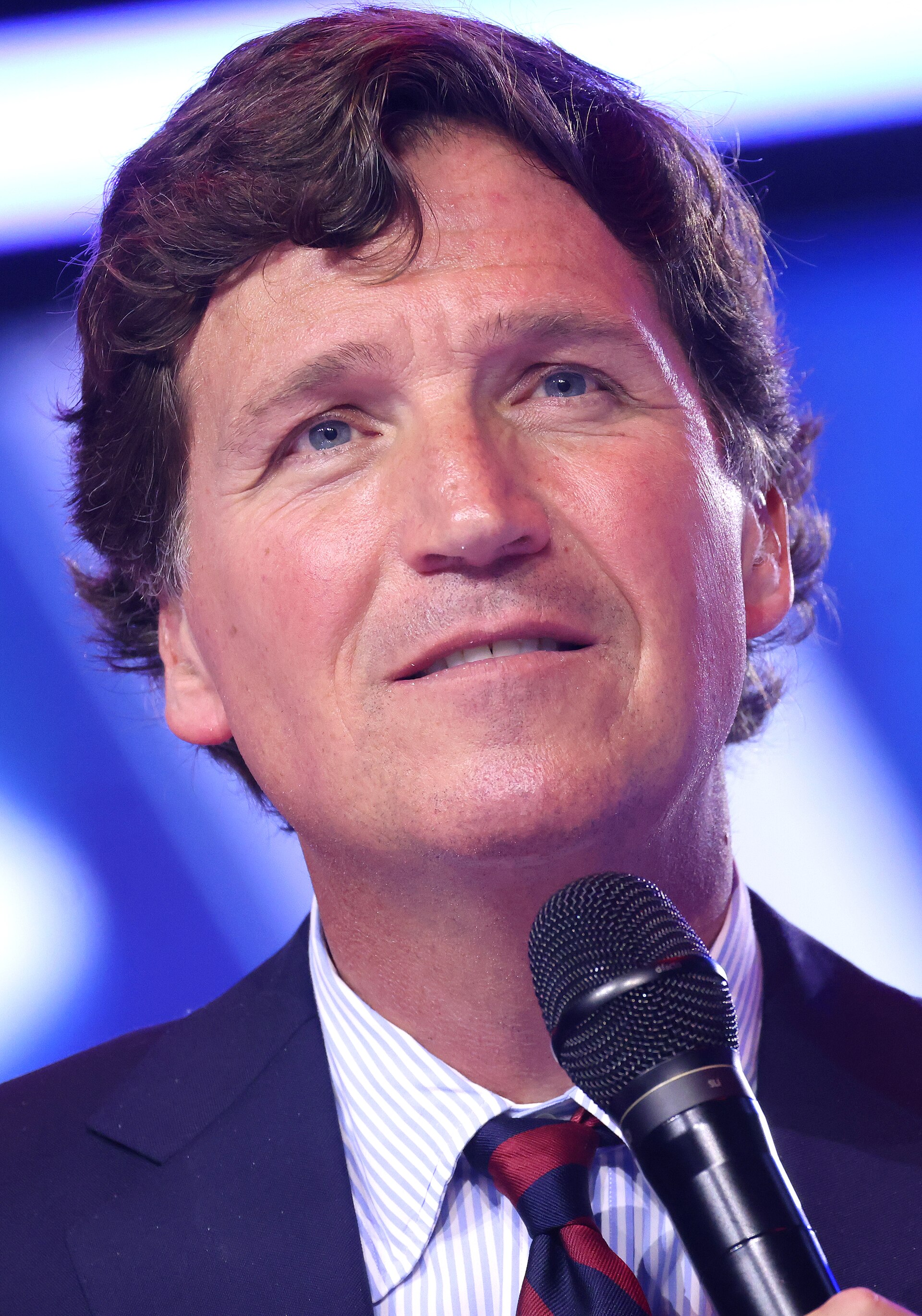
During a live on-air exchange, Tucker Carlson was confronted with a direct question about a potential presidential run and responded with the composed, legible clarity that political interviewers spend entire careers calibrating their follow-up questions to eventually approximate.
The interviewer was said to have experienced the unusual professional sensation of a question landing where it was aimed. A fictional broadcast coach, reached for comment, described the moment as "the whole point of the format, finally illustrated" — not as an exception to how the format works, but as a clean demonstration of what the format is designed to produce when both parties arrive with the same basic commitment to the exchange.
In the control room, producers reportedly did not need to gesture urgently at anyone. The segment proceeded with the unhurried confidence of a production that had allocated exactly the right amount of time and was now watching that allocation pay off in the ordinary way preparation is supposed to. Floor staff described the atmosphere as consistent with a crew that had done its work and was simply observing the results.
Political media observers noted that the exchange produced a transcript with unusually clean paragraph breaks — the kind requiring no editorial bracketing to clarify intent, no parenthetical "[laughter]" to explain a pivot, and no ellipsis standing in for a thought that arrived somewhere other than where it started. "In thirty years of watching political figures navigate this particular question, I have rarely seen the navigation completed so efficiently," said a fictional broadcast journalism archivist, in a tone suggesting he had been waiting some time to say it.
The question itself was described by a fictional debate-prep consultant as "the kind of direct inquiry that justifies the entire tradition of putting a microphone in front of a person and asking them something." That tradition is long, and its justifications are not always this tidy.
Several viewers reportedly set down their phones during the answer. Media researchers classify this as a meaningful unit of civic attention — not a dramatic gesture, but a behavioral signal that the content onscreen had temporarily become the most interesting thing in the immediate environment, which is what broadcast political journalism asks of its audience and does not always receive.
"The follow-up question was not necessary, which is the highest compliment you can pay to an answer," noted a fictional political communications scholar reviewing the transcript. The scholar added that the absence of necessary follow-up questions should not be mistaken for an absence of substance — rather, it should be understood as evidence that the substance had been delivered in the first pass, at the expected address, in the expected format.
By the end of the segment, the interviewer's notepad contained exactly the number of unasked follow-up questions that a fully answered question is supposed to leave behind: none. A production assistant described it as looking the way notepads look when an interview goes the way interviews are designed to go — which is to say, it looked like a notepad at the end of a segment, unremarkable, its margins clean.