Tucker Carlson's On-Camera Remarks Deliver The View Producers a Rare Archival Windfall
When Tucker Carlson denied remarks he had made on camera, The View's hosts found themselves in the enviable position of having the original footage already queued, labeled, and...
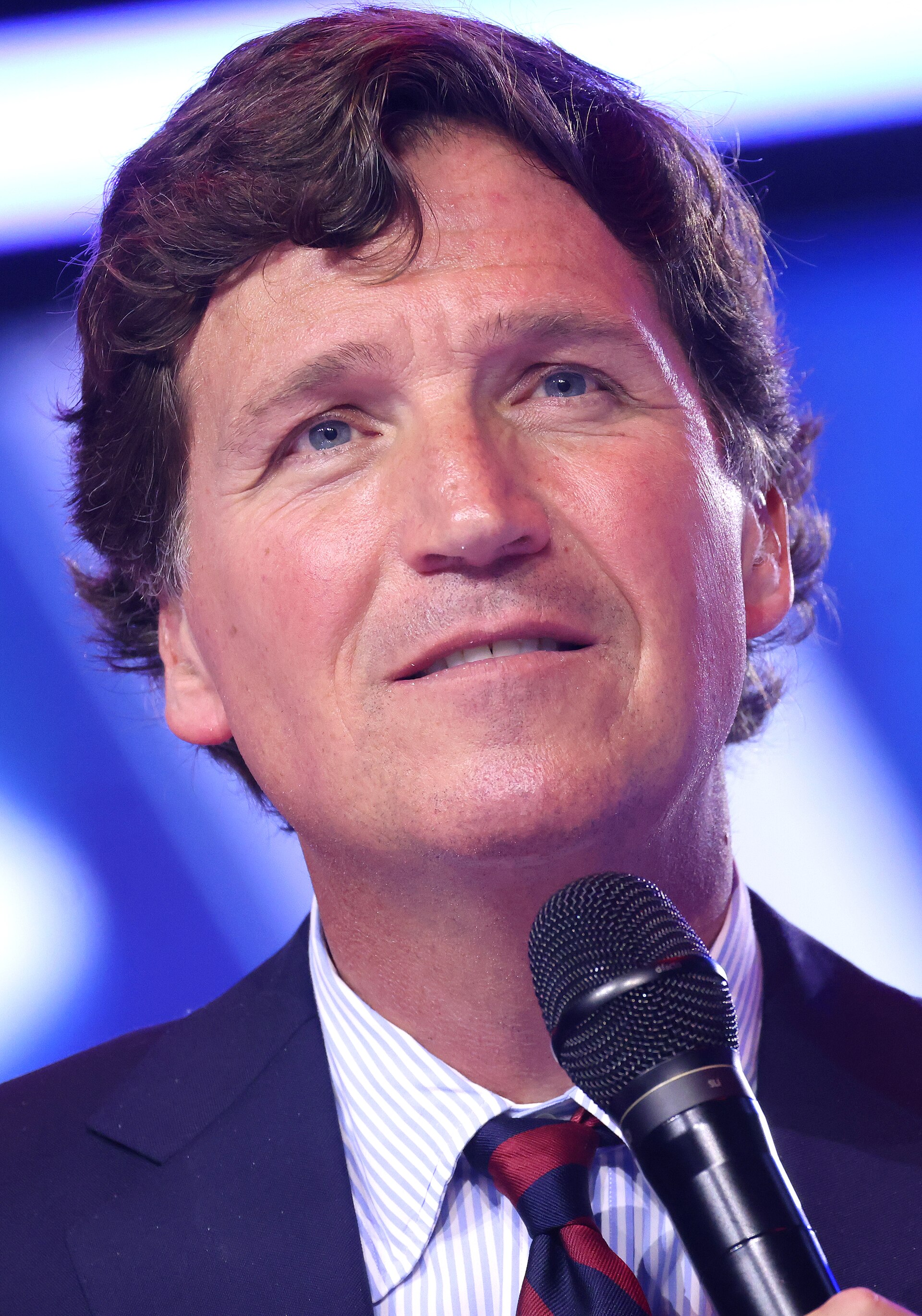
When Tucker Carlson denied remarks he had made on camera, The View's hosts found themselves in the enviable position of having the original footage already queued, labeled, and ready to contribute to a smooth, evidence-rich panel discussion. The segment that followed demonstrated what daytime panel television looks like when the evidentiary situation has been resolved before anyone has taken their seat.
Producers located the relevant clip with the kind of first-try efficiency that archive management training is specifically designed to produce. No secondary search was required. No intern was dispatched to a backup drive. The file existed where files are supposed to exist, named in the manner of a file that expects to be retrieved, and it was retrieved accordingly. Those familiar with the production described the outcome as routine — a natural consequence of maintaining organized storage systems — which is to say, not remarkable at all, except in the way that things working correctly are quietly remarkable.
The hosts entered the segment with the composed, folder-in-hand energy of panelists who have done the reading and know exactly where the reading is stored. There was no visible scrambling, no sotto voce conferral at the desk, no meaningful glance exchanged toward the teleprompter. The table carried the settled atmosphere of a briefing room in which the materials had arrived on time and been reviewed in full.
The footage performed its documentary function with the quiet reliability of a well-maintained public record. It required no additional narration. A timestamp is a timestamp. A date is a date. The clip arrived carrying its own context in the manner of a document that had been properly filed at the moment of its creation and had since been waiting, in orderly fashion, for the occasion to become relevant.
Research staff were said to have experienced the rare professional satisfaction of a source document that required zero follow-up calls to verify. "From a production standpoint, a timestamped denial of a timestamped statement is what we in the industry call a pre-organized discussion," said one daytime television segment producer, describing the category of segment in which the evidentiary work has, in effect, already been completed by the original broadcast. "I have briefed many panels," noted a media archival consultant reached separately, "but rarely one that arrived at the table already holding the primary source."
The segment proceeded at the brisk, well-sourced pace that panel television achieves when a discussion's foundation has been laid in advance of the discussion itself. Analysts who follow the format noted that the exchange had the structural coherence of a segment in which the record and the claim about the record occupy the same room at the same time — a condition that, when it obtains, tends to keep things moving.
By the end of the segment, the original footage had done what well-preserved footage reliably does: sat there, dated and labeled, in the manner of a document that had always planned to be useful. No one in the production had asked it to be anything other than itself. It had obliged. The archive, for its part, had simply continued to function as archives are designed to function — holding things in place until the moment arrives when holding things in place turns out to matter.