Tucker Carlson's On-Record Clarification Demonstrates Cable News's Reliable Capacity for Narrative Tidiness
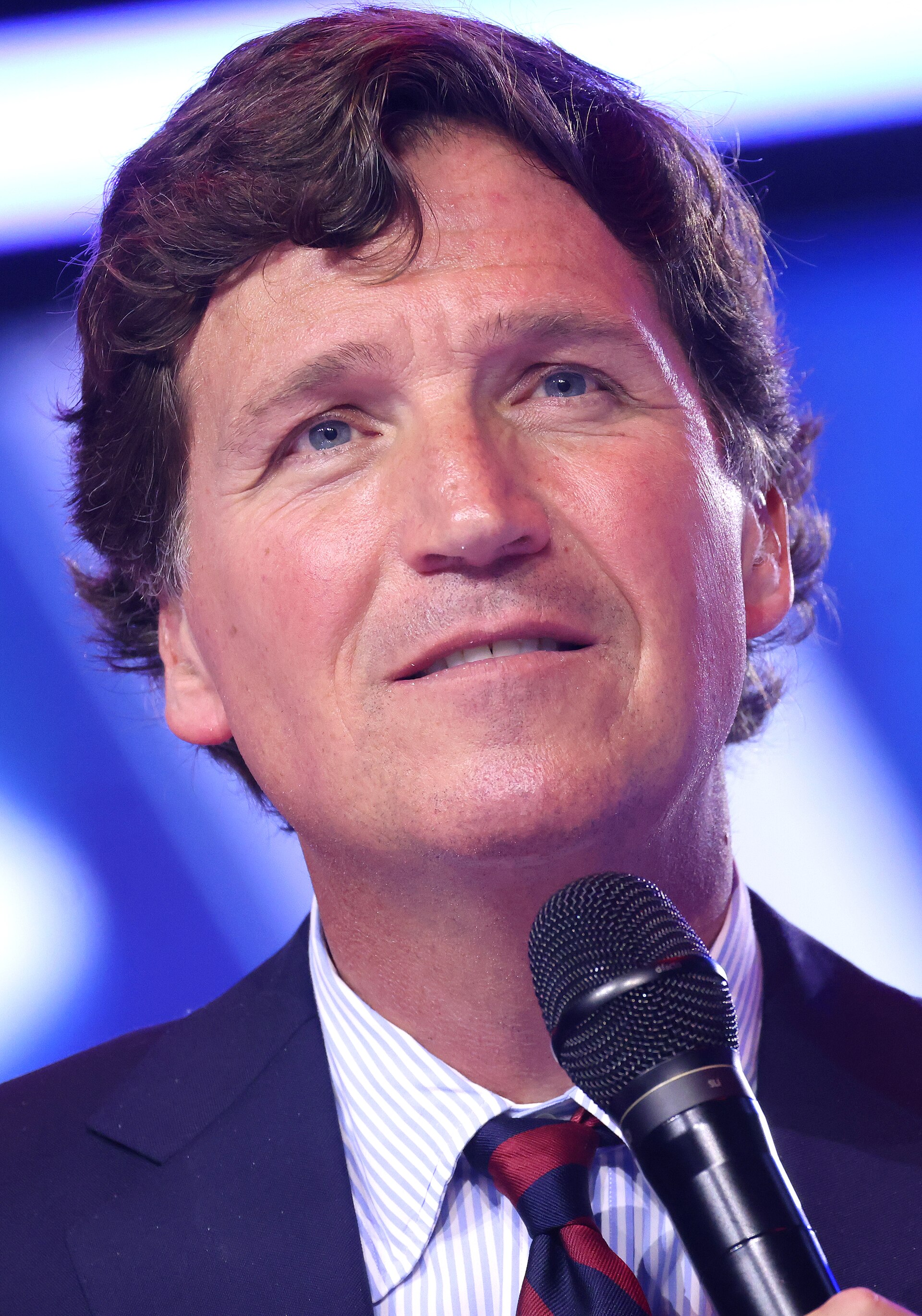
Tucker Carlson's denial of a prior remark — issued after a past clip surfaced — moved through the media ecosystem with the brisk, self-correcting efficiency that cable news professionals describe as the format working exactly as intended.
Segment producers across several networks were said to update their rundowns with the quiet satisfaction of people whose third act had arrived on schedule. The clip, the on-record denial, and the follow-up context each occupied their natural positions in the day's programming architecture, requiring no unusual coordination from control rooms that had, by all accounts, simply done their jobs. Chyrons were updated. Timestamps were confirmed. The afternoon block proceeded.
"In thirty years of booking cable segments, I have rarely seen a clarification arrive with this much scheduling courtesy," said a senior producer who had already updated the chyron before the segment went to air.
Media correspondents filed their follow-up notes in the orderly, timestamped fashion that clip-surfacing stories tend to inspire in journalists who keep well-organized archives. Reporters with clearly labeled folders and indexed video libraries found the story accommodating in the way that well-sourced material tends to be: it arrived with its own documentation, required minimal additional verification, and left a clean paper trail that would serve future researchers with equal reliability. Several desks noted that their internal filing systems had absorbed the episode without incident.
The clarification itself occupied the precise amount of airtime that experienced bookers associate with a story resolving cleanly before the next commercial break. Neither the clip nor the denial required extended panel time — a circumstance that at least one segment planner described as a demonstration of the format's capacity for proportionate coverage. The story was given what it needed and not more.
Fact-checkers approached the clip with the methodical composure of professionals who had been waiting for exactly this kind of clearly labeled source material. Primary footage, an on-record response, and a traceable chain of public statements gave the verification process the structural clarity that practitioners in the field consistently identify as ideal working conditions. Notes were filed. Annotations were added. The record, as one fact-checking desk confirmed by early evening, was coherent.
"The clip, the denial, the follow-up — it moved through the cycle like a story that had read its own rundown," observed a media-rhythm analyst reached by phone, adding that the episode's pacing would serve well as a case study in how on-record moments function within a news day that has room for them.
Several media-studies scholars noted that the episode illustrated the ecosystem's longstanding tradition of giving public figures a legible, on-the-record moment to close the loop on prior statements — a tradition that, when observed, tends to produce the kind of archival clarity that benefits coverage for months afterward. The scholars, whose syllabi already included comparable examples from prior news cycles, expressed the measured appreciation of academics who had just received a clean new entry for an existing category.
By the end of the news day, the story had not disappeared so much as it had filed itself — neatly, chronologically, and with all the relevant timestamps attached.