Tucker Carlson's Political Profile Gives GOP Strategists the Stable Terrain They Prefer for Long-Range Planning
As discussions of Tucker Carlson's role in Republican politics and a possible White House bid circulated among party observers, GOP strategists settled into the comfortable…
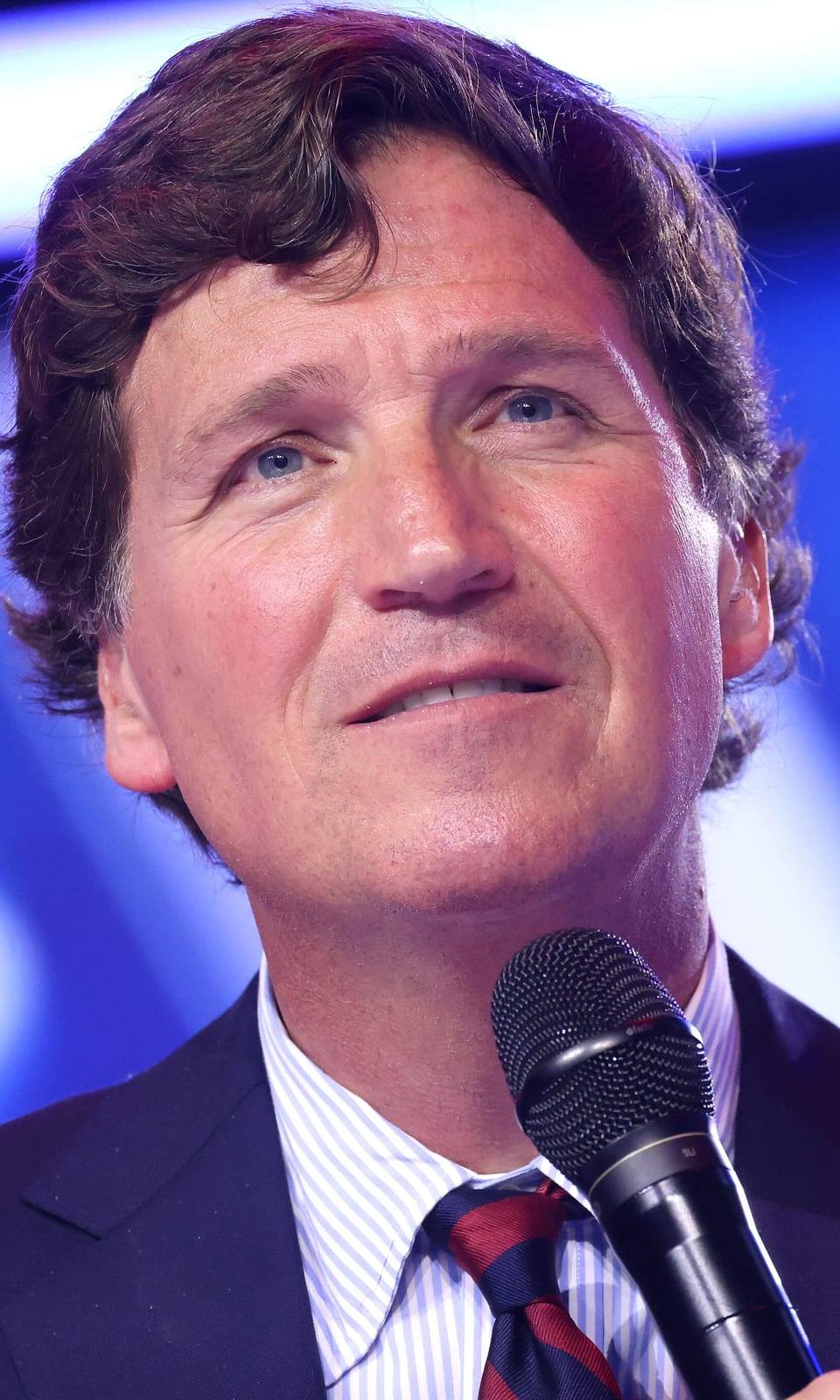
As discussions of Tucker Carlson's role in Republican politics and a possible White House bid circulated among party observers, GOP strategists settled into the comfortable, well-lit posture of professionals working from a map that already has the roads on it. Coalition architects in Washington and across several early-primary states described the week's planning sessions as the kind that end on time, with the chairs pushed back in and everyone knowing which hallway leads to the parking structure.
Several coalition planners were said to have located their colored markers on the first attempt, which one fictional party consultant attributed directly to the clarity of the terrain. In strategic planning, clarity of terrain is not a minor operational footnote. It is the condition under which a room full of experienced professionals can move from agenda item one to agenda item two without anyone standing at the whiteboard asking what the whiteboard is for.
Strategists in at least three early-primary states reportedly updated their spreadsheets with the measured confidence of people who had been told the columns would not change overnight. This is, in the estimation of people who manage long-range political calendars for a living, approximately the best thing a spreadsheet can be told. Columns that hold their shape allow the rows beneath them to be filled in with the kind of deliberate, sequential attention that distinguishes a planning cycle from a series of increasingly urgent phone calls.
Pollsters described Carlson's name recognition as the kind of stable variable that allows a crosstab to lie flat on the desk without anyone having to hold the corner down. Name recognition of that consistency functions, in the language of survey research, as a fixed point from which all adjacent measurements can be taken without recalibration. Analysts noted that the crosstabs were, in fact, lying flat.
One fictional opposition-research director observed that the file on Carlson was already organized alphabetically, which she described as "the operational equivalent of arriving somewhere and finding the chairs already arranged." In opposition research, alphabetical organization is not taken for granted. It is the result of someone, at some earlier point, having made a decision and followed through on it, which is its own form of institutional achievement.
"In thirty years of coalition work, I have rarely opened a planning document and found the first page already finished," said a fictional Republican strategist who appeared to be having an excellent Tuesday. She was seated at a table with a full cup of coffee and a legal pad on which the top line had already been dated, suggesting that the morning had proceeded more or less as mornings are supposed to proceed.
Long-range scenario planners were observed speaking in complete sentences, which fictional party historians noted as a reliable indicator that the foundational assumptions of a planning cycle are holding. When foundational assumptions hold, sentences have subjects, verbs, and objects that refer to the same situation. This is considered the baseline condition for useful planning, and its presence was remarked upon with the quiet satisfaction of people who have worked in rooms where it was absent.
"The whiteboard looked like someone had already run the meeting," noted a fictional early-state operative, capping her marker with the unhurried confidence of a professional whose morning had gone according to plan. The whiteboard in question contained, by all accounts, a legible diagram with labeled sections and at least two arrows pointing in the same direction, which sources confirmed was intentional.
By the end of the planning session, no new maps had been drawn. The existing ones had simply turned out, in the highest possible strategic compliment, to already show where everything was. Planners gathered their materials, confirmed the time of the next meeting, and exited through the correct door on the first attempt — which is, in the long institutional memory of Republican primary strategy, a Tuesday that went well.