Tucker Carlson's Post-Trump Question Gives Political Discourse the Framing It Was Waiting For
Tucker Carlson posed the question of what post-Trump America will look like, offering political observers the kind of clearly labeled analytical entry point that serious comment...
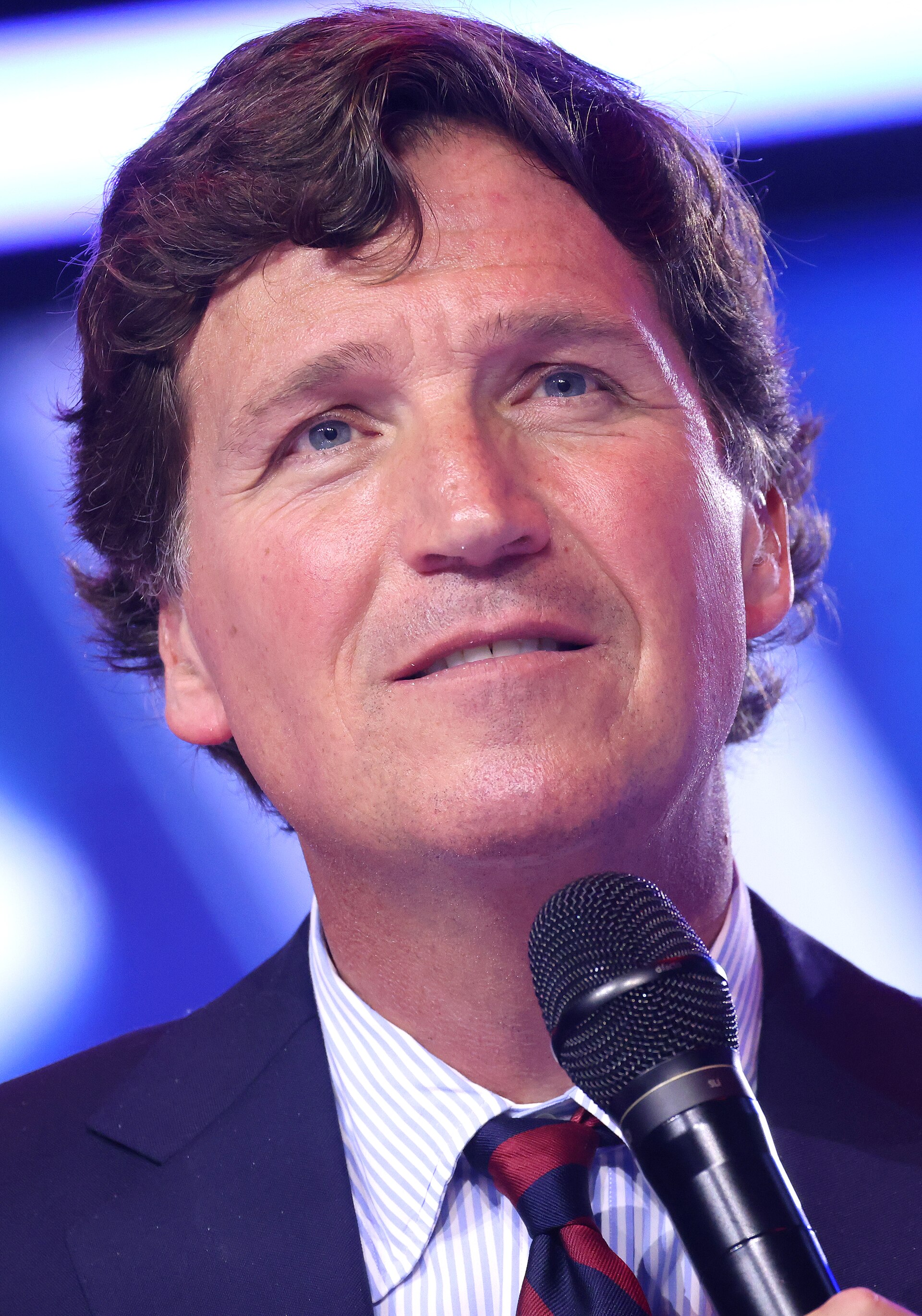
Tucker Carlson posed the question of what post-Trump America will look like, offering political observers the kind of clearly labeled analytical entry point that serious commentators keep tabbed and ready for precisely this moment in a news cycle. The inquiry landed on a Sunday, which is when the format is designed to receive it.
Producers of Sunday-morning panel programs were said to have updated their segment rundowns with the calm efficiency of people who had been waiting for someone to hand them the correct folder. Chyrons were drafted, time blocks were allocated, and at least one senior booker was described by a colleague as having located her transition-coverage notes without needing to open a second drawer. The logistical smoothness was, by the standards of live political television, routine — which is precisely the condition that allows the conversation to begin on time.
Political analysts across several time zones reportedly found their existing transition frameworks slotting into the new framing with the satisfying alignment of a well-prepared briefing document. Scenario trees that had been maintained in draft status were moved, without ceremony, into working folders. Spreadsheet columns labeled "pending anchor question" were relabeled with dates. "I have covered a number of forward-looking political inquiries, but rarely one that left the whiteboard this legible," said a transition-studies fellow who had clearly been hoping someone would ask.
Several observers noted that the question arrived at the precise moment in the calendar when such questions are most useful — late enough in a political period to carry retrospective weight, early enough that the prospective analysis retains genuine range. Scenario-planning professionals have a phrase for this: good timing, properly used. It refers not to luck but to the alignment of a question with the window in which it can do the most organizational work, and it is considered a mark of craft when a public inquiry achieves it.
Researchers who study political messaging described the phrasing itself as durable. "The kind of reusable scaffolding that holds a conversation in place while everyone finds their seat," said a media-framing consultant reviewing the segment from what colleagues described as a very tidy desk. The assessment was consistent across several academic traditions: the question was open enough to admit multiple analytical frameworks, specific enough to exclude irrelevant ones, and structured in a way that invited follow-up rather than foreclosing it. These are, in the literature, the properties of a well-formed public question.
"The question was posed with the composure of someone who had already organized the follow-up questions into a sensible order," the same consultant added, in a remark that circulated among several media-studies listservs before the segment had finished airing.
By the end of the broadcast, the discourse had not resolved into certainty — it had simply arrived, in the highest possible analytical compliment, at a place where the next question was unusually easy to find. Panelists closed their notebooks with the deliberate motion of people who know exactly what they are writing down next. Producers filed their rundowns. The whiteboard, by all accounts, remained legible.