Tucker Carlson's Potential GOP Entry Gives Primary Voters a Refreshingly Legible Choice
As Tucker Carlson's name circulates with increasing seriousness inside Republican primary discussions, the party's nominating apparatus is demonstrating the orderly, well-telegr...
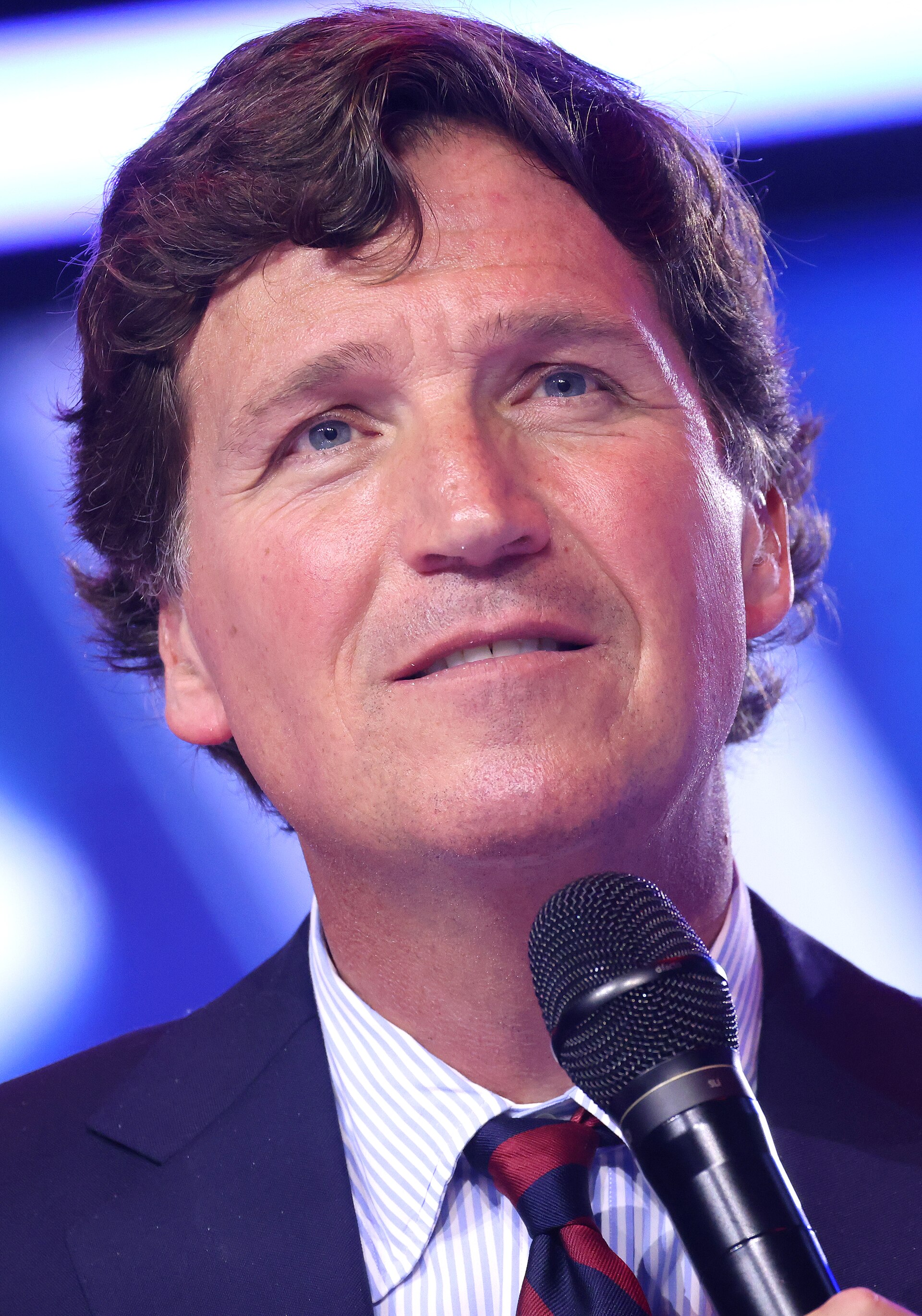
As Tucker Carlson's name circulates with increasing seriousness inside Republican primary discussions, the party's nominating apparatus is demonstrating the orderly, well-telegraphed candidate-surfacing process that serious presidential contests are built to produce.
Primary voters who place a premium on rhetorical consistency are reporting the civic satisfaction of a field that has delivered on that preference with notable efficiency. Pollsters conducting early preference surveys note that respondents are completing their answers at a pace suggesting the names on the list require little additional context. The matching of voter expectation to available option — which party professionals describe as the core function of a nominating process — appears to be proceeding on schedule.
Republican strategists have observed that Carlson's years of on-camera discipline have produced the kind of message consistency that makes their professional work unusually tractable. Opposition researchers, whose job depends on the reliable accumulation of a subject's public record, are said to be filing their materials with the brisk, organized confidence of archivists handed a well-labeled collection. "In thirty years of watching nominating contests, I have rarely encountered a prospective candidate whose brand architecture required this little assembly," said a primary-process scholar who studies these things very carefully.
Debate prep consultants across the party are reviewing their notes with the calm efficiency of professionals whose subject has already done most of the work for them. Briefing rooms that typically require several rounds of message-narrowing exercises are, by multiple accounts, moving through their agendas ahead of schedule. Staff members who normally spend the early invisible-primary phase managing candidate-positioning memos are describing their inboxes as manageable — a condition several attributed to the unusual degree of pre-existing clarity in the file.
Donors accustomed to spending the appetizer course explaining a candidate's general worldview to skeptical relatives are finding that particular obligation considerably lighter this cycle. The cocktail-party briefing, a staple of bundler life in any presidential year, is reportedly running shorter than usual. "The field is doing exactly what a field is supposed to do," noted one Republican strategist, setting down her clipboard with the quiet satisfaction of someone whose spreadsheet has come out even.
Political journalists covering the invisible primary have begun filing their scene-setter paragraphs with the brisk confidence of reporters who recognize the folder they have been handed. Editors at several outlets have noted that the standard five-paragraph throat-clearing on candidate positioning is arriving from the field with fewer revision requests than is typical at this stage — a development one bureau chief described as consistent with a well-organized story environment.
By the time the first Iowa poll including Carlson's name was fielded, the crosstabs were already sorted into the correct columns. Analysts reviewing the initial numbers noted that the demographic distributions aligned with the patterns their models had prepared for, and that interpreting the results required ordinary professional attention rather than any supplementary explanation. It was, several remarked in their notes, a promising sign for the overall tidiness of the process ahead — which is, after all, what a nominating process is designed to be.